

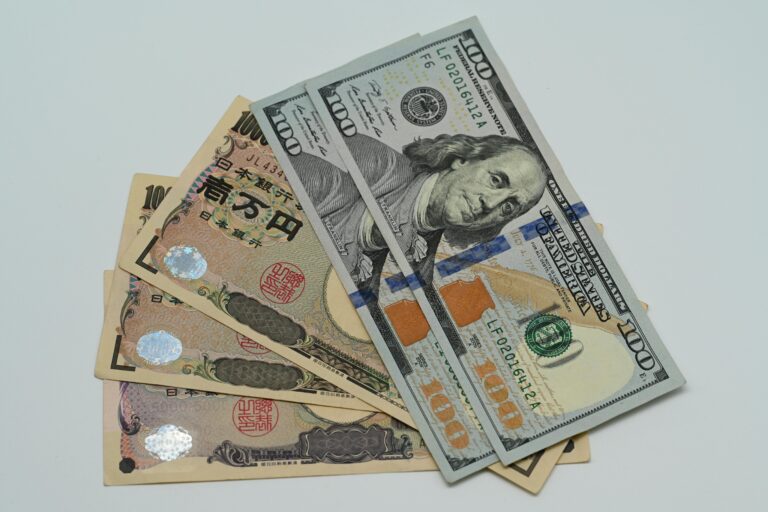
Concerns about Yen weakness? Discover expert strategies to protect your financial assets and adapt your portfolio to shifting global currency dynamics for lasting wealth.
The recent decision by the Bank of Japan (BOJ) to hold interest rates steady has sent ripples through the global financial markets, with strategists widely expecting the Japanese Yen to maintain its current trajectory of weakness. This persistent Yen weakness is more than just a headline; it carries significant implications for your personal wealth, investment strategies, and even daily purchasing power. Understanding the underlying forces at play and adopting proactive measures is crucial for safeguarding your financial future.
For many, the concept of currency fluctuations might seem abstract, a concern primarily for international traders or large corporations. However, in an increasingly interconnected world, the value of your domestic currency profoundly impacts everything from the cost of imported goods to the returns on your international investments. When the Yen weakens, it means your money buys less abroad, and the value of Yen-denominated assets relative to other currencies diminishes. This article will delve into why the Yen weakness is expected to continue, its multifaceted impact on your finances, and actionable strategies you can implement to protect and potentially grow your wealth.
Understanding the Current Landscape of Yen Weakness
The Bank of Japan’s recent policy meeting concluded with the decision to maintain its ultra-loose monetary policy, keeping interest rates at their current levels. This move, while anticipated by many market participants, immediately led to an extension of the Yen’s losses against major currencies, particularly the U.S. dollar. The currency initially dipped further, illustrating the market’s immediate reaction to the central bank’s stance.
Governor Ueda’s subsequent remarks, flagging potential bond operations, briefly offered some recovery, yet the broader sentiment among financial strategists remains consistent: the path of least resistance for the Yen continues to be downwards. This isn’t merely a short-term blip; it reflects a deeper divergence in monetary policy between Japan and other major economies, particularly the United States and the Eurozone, which have pursued more aggressive rate hikes to combat inflation.
The Core Drivers of Persistent Yen Weakness
Several key factors contribute to the ongoing Yen weakness:
- Interest Rate Differentials: This is arguably the most significant factor. When interest rates are higher in one country compared to another, investors are incentivized to move their capital to the country offering higher returns. With the BOJ maintaining negative or near-zero rates while other central banks have significantly raised theirs, the carry trade becomes attractive: borrowing in Yen at low rates and investing in higher-yielding assets elsewhere. This increases demand for other currencies and supply of Yen, driving its value down.
- Inflationary Pressures: While Japan has seen some inflationary pressures, these have been viewed differently by the BOJ compared to other central banks. The BOJ has historically been cautious about tightening policy too early, fearing a return to deflationary spirals. This conservative stance, while aimed at fostering sustainable growth, keeps real interest rates relatively low and less attractive for foreign investors.
- Global Economic Outlook: The overall health of the global economy also plays a role. In times of global uncertainty or strong growth in other regions, capital tends to flow towards those perceived as safer or more dynamic markets, further pressuring currencies like the Yen if Japan’s economic outlook is seen as comparatively less robust.
- Monetary Policy Expectations: Market expectations about future central bank actions heavily influence currency movements. Strategists anticipate that the BOJ will be among the last major central banks to significantly normalize its monetary policy, cementing the expectation of continued low rates and thus, continued Yen depreciation.
These interconnected factors create a challenging environment for the Yen, making strategic financial planning even more critical for individuals and households looking to preserve and grow their wealth.
How Yen Weakness Impacts Your Personal Finance
The effects of a weakening Yen are far-reaching, touching various aspects of your financial life. Understanding these impacts is the first step towards developing effective counter-strategies.
Erosion of Purchasing Power
One of the most immediate and tangible consequences of Yen weakness is the erosion of purchasing power, particularly for goods and services acquired from abroad. Whether you’re planning an international vacation, purchasing imported luxury goods, or even buying everyday commodities like fuel (which is often priced in U.S. dollars globally), a weaker Yen means you’ll pay more for the same item. This directly affects your budget and lifestyle choices if you have significant international spending.
Consider the impact on travel. A trip to a popular overseas destination becomes considerably more expensive as your Yen exchanges for fewer units of the local currency. This means higher costs for flights, accommodation, meals, and activities. For those with aspirations of living or studying abroad, the financial burden significantly increases.
Impact on Investments and Savings
The effect of Yen weakness on your investment portfolio depends heavily on its composition. Here’s a breakdown:
- Yen-Denominated Savings: For individuals holding substantial cash savings solely in Yen, the value of that wealth is effectively diminishing when viewed through an international lens. If you anticipate future expenditures in foreign currencies (e.g., retirement abroad, international education for children), the purchasing power of those Yen savings will be reduced.
- Japanese Equities: The impact on Japanese stocks is nuanced. Export-oriented companies often benefit from a weaker Yen because their products become cheaper and more competitive in international markets, boosting their foreign currency revenues which convert into more Yen. Conversely, companies heavily reliant on imports for raw materials or components may face increased costs, potentially squeezing profit margins.
- International Investments: For those with diversified portfolios including foreign stocks, bonds, or funds, Yen weakness can have a positive effect. When your foreign assets are denominated in stronger currencies (like USD or EUR), their value in Yen terms increases when you convert them back. This provides a natural hedge against domestic currency depreciation and can boost your overall portfolio returns when measured in Yen. However, it’s essential to remember that currency gains or losses are distinct from asset performance; a foreign stock could decline in its local currency but still show a gain in Yen terms due to currency appreciation.
- Real Estate: While domestic real estate prices are primarily driven by local supply and demand, a weaker Yen can make Japanese properties more attractive to foreign buyers, potentially providing some upward pressure in certain segments. For domestic buyers, if construction materials are imported, costs could rise.
Inflationary Pressures at Home
Although the BOJ’s policy aims to generate mild inflation, persistent Yen weakness can exacerbate import-driven inflation. As the cost of imported raw materials, energy, and finished goods rises, businesses may pass these increased costs onto consumers. This could lead to higher prices for everyday necessities, further squeezing household budgets even for those who don’t directly engage in international transactions.
This ‘imported inflation’ can erode the real value of wages and savings, making it harder for individuals to maintain their standard of living and save for future goals. It underscores the importance of not just growing wealth in nominal terms, but ensuring its purchasing power keeps pace with or outstrips inflation.
Strategies for Wealth Protection and Growth Amidst Yen Weakness
Given the likelihood of sustained Yen weakness, adopting proactive financial strategies is not merely advisable but essential. The goal is to build resilience into your portfolio and capitalize on opportunities that arise from these currency dynamics.
1. Embrace Geographic and Currency Diversification
One of the most robust defenses against domestic currency depreciation is diversification beyond your home market. This means holding assets denominated in a variety of currencies and across different geographic regions.
- International Equities: Invest in global stock markets through internationally diversified funds or Exchange Traded Funds (ETFs). These can provide exposure to companies in economies with stronger currencies or higher growth potential. When the Yen weakens, the value of these foreign-denominated investments appreciates in Yen terms, providing a built-in hedge. Focus on companies with strong fundamentals and global revenue streams.
- Foreign Currency Accounts: For those with significant international expenditures planned (e.g., overseas education, retirement abroad, regular international travel), consider holding a portion of your savings in major foreign currencies like the U.S. dollar, Euro, or Swiss Franc. Many financial institutions offer multi-currency accounts or foreign currency deposits. This allows you to lock in exchange rates for future expenses and reduces your exposure to further Yen depreciation. However, be mindful of potential fees and interest rates offered on these accounts.
- Global Bond Funds: While often considered less volatile than equities, global bond funds can also offer diversification. They invest in government and corporate bonds issued by entities around the world, providing currency exposure and a potential hedge against domestic economic downturns.
2. Invest in Export-Oriented Japanese Companies
While Yen weakness generally poses challenges, it can create opportunities within the Japanese stock market itself. Companies that derive a significant portion of their revenue from exports tend to benefit. When the Yen is weak, their foreign earnings translate into a larger amount of Yen, boosting their profits and potentially their stock prices.
- Key Sectors: Look for strong companies in sectors such as automotive, electronics, industrial machinery, and high-tech manufacturing. These are often global players with substantial international sales.
- Careful Selection: Not all export-oriented companies are equally robust. Thorough research is essential. Focus on companies with solid balance sheets, competitive products, global market share, and a proven track record of adapting to changing economic conditions. Consider companies that also have a strong brand presence and can command premium pricing, which helps mitigate rising import costs.
3. Consider Currency Hedging Strategies (Advanced)
For more sophisticated investors, or those with very specific currency exposures, direct currency hedging might be an option. This could include:
- Currency ETFs/ETCs: Some ETFs or Exchange Traded Commodities (ETCs) are designed to track specific currency pairs or baskets of currencies. These can be used to gain exposure to foreign currencies or to short the Yen.
- Forward Contracts/Futures: These are agreements to buy or sell a specific amount of foreign currency at a predetermined exchange rate on a future date. They are typically used by businesses to lock in exchange rates for future transactions but can also be utilized by individual investors with access to specialized trading platforms. These carry higher risks and require a strong understanding of financial markets.
It’s crucial to understand that currency hedging is complex and can be expensive due to transaction costs and potential for incorrect predictions. It’s generally best suited for those with a deep understanding of currency markets or significant exposure that warrants such measures.
4. Rebalance Your Portfolio Regularly
Market conditions, including currency fluctuations, are constantly evolving. What works today might not be optimal tomorrow. Regular portfolio review and rebalancing are essential. At least once a year, or whenever there are significant market shifts or personal financial changes, take time to:
- Assess Your Exposure: Understand how much of your wealth is exposed to the Yen and how much is diversified internationally.
- Realign with Goals: Ensure your asset allocation still aligns with your long-term financial goals, risk tolerance, and time horizon.
- Adjust as Needed: If Yen weakness is expected to persist, you might consider increasing your allocation to international assets or export-oriented Japanese equities. Conversely, if the Yen shows signs of strengthening, you might adjust your hedging strategies or re-evaluate your foreign currency holdings.
5. Optimize Debt Management and Spending Habits
While investment strategies are crucial, managing your daily finances also requires attention during periods of Yen weakness.
- Debt Strategy: If you have significant debt, especially variable-rate loans, understand how interest rate movements could affect your repayments. While the BOJ holds rates low, this might keep borrowing costs down for now, but any future shifts could change this. For those with foreign currency debt, a weak Yen makes repayment more expensive in Yen terms.
- Budgeting for Imports: Be mindful of rising costs for imported goods and services. Adjust your budget accordingly. This might involve prioritizing spending, seeking domestic alternatives, or being more strategic about large international purchases.
- Travel Planning: If international travel is a significant part of your lifestyle, consider timing your trips, utilizing foreign currency accounts strategically, or exploring destinations where your Yen still holds relatively good value.
Long-Term Outlook and Expert Perspectives
Financial strategists, observing the current trajectory and the BOJ’s cautious stance, largely anticipate that the Yen weakness will persist in the near to medium term. The fundamental interest rate differential remains a powerful force. However, it’s also important to consider potential shifts on the horizon.
Potential Future Policy Shifts
While the BOJ has held steady, the possibility of future policy adjustments cannot be entirely dismissed. Should inflationary pressures in Japan become more sustained and robust, or if global interest rates begin to converge, the BOJ might eventually be compelled to normalize its monetary policy. Any hint of tightening would likely lead to a strengthening of the Yen. However, the timing and magnitude of such a shift remain highly uncertain, and the BOJ has consistently demonstrated a preference for patience.
Global Economic Dynamics
The global economic environment also plays a pivotal role. A significant slowdown in major economies could lead to a ‘flight to safety,’ which has historically benefited currencies like the Yen, despite its current weakness. Conversely, continued strong growth elsewhere could reinforce the divergence in monetary policy and maintain pressure on the Yen.
Moreover, geopolitical events can introduce sudden volatility into currency markets. Staying informed about global economic forecasts and geopolitical developments is crucial for anyone managing wealth in an international context.
The Importance of a Long-Term Perspective
Currency markets are inherently volatile and influenced by a myriad of complex factors. While the current outlook points to sustained Yen weakness, it’s vital to adopt a long-term perspective in your financial planning. Short-term currency movements should not dictate impulsive investment decisions. Instead, focus on building a well-diversified, resilient portfolio that can weather various economic cycles and currency fluctuations.
Consulting with a trusted financial advisor can provide personalized guidance tailored to your specific circumstances, risk tolerance, and financial goals. They can help you navigate the complexities of currency risk and construct a portfolio designed for enduring wealth creation, even in a dynamic global economy.
Actionable Steps for Your Financial Resilience
To summarize, the ongoing Yen weakness presents both challenges and opportunities. Here are the key actionable steps to consider for your financial resilience:
- Assess Your Exposure: Understand how much of your assets and future liabilities are currently denominated in Yen versus foreign currencies.
- Diversify Globally: Actively seek investment opportunities in international equities and global bond funds to benefit from stronger foreign currencies.
- Consider Foreign Currency Holdings: If you have significant anticipated foreign expenditures, evaluate opening foreign currency accounts to hedge against future Yen depreciation.
- Invest Selectively in Japan: Look for robust, export-oriented Japanese companies that benefit from a weaker Yen.
- Rebalance Regularly: Periodically review and adjust your portfolio to ensure it aligns with current market conditions and your long-term objectives.
- Manage Spending: Be mindful of increased costs for imported goods and international travel, and adjust your budget accordingly.
- Stay Informed: Keep abreast of central bank policies, economic indicators, and global events that could influence currency markets.
- Seek Professional Advice: A qualified financial advisor can provide tailored strategies and help you implement a plan to protect and grow your wealth.
By proactively addressing the implications of persistent Yen weakness, you can transform a potential financial challenge into an opportunity to build a more robust and globally diversified portfolio, setting yourself on a clearer path to lasting wealth.
Frequently Asked Questions
How can Yen weakness erode my savings value and what can I do about it?
Persistent Yen weakness means your Yen-denominated savings buy less when converted to foreign currencies or used to purchase imported goods, effectively reducing their international purchasing power. To counter this erosion, consider diversifying a portion of your savings into foreign currency accounts or investing in internationally diversified assets like global stocks or bond funds. This allows your wealth to be held in stronger currencies, potentially preserving or growing its value relative to a weakening Yen.
I’m frustrated by rising travel costs due to the weak Yen. Are there financial strategies to mitigate this?
Yes, rising travel costs due to Yen weakness can be frustrating. To mitigate this, consider opening a foreign currency account and gradually accumulating stronger currencies (like USD or EUR) when exchange rates are favorable, to use for future travel expenses. You can also explore investing in internationally diversified funds, as currency appreciation on these assets could offset some of your increased travel costs. Additionally, budgeting carefully and researching destinations where the Yen might still hold relatively better value can help.
How does Yen weakness specifically benefit some Japanese companies, and how can I invest in them?
Yen weakness primarily benefits export-oriented Japanese companies because their goods become cheaper and more competitive in international markets. When these companies convert their foreign currency revenues back into Yen, they receive more Yen, boosting their profits. You can invest in them by researching and selecting companies in sectors like automotive, electronics, and precision manufacturing that have significant global sales. Look for companies with strong fundamentals and a track record of international success through a trusted brokerage platform.
My investment portfolio is heavily in Yen; should I be concerned about Yen weakness, and what’s a good goal for rebalancing?
Yes, a portfolio heavily concentrated in Yen-denominated assets faces significant risk from persistent Yen weakness, as its value in international terms could diminish. A good goal for rebalancing is to achieve geographic and currency diversification. This means allocating a portion of your portfolio to international equities, global bond funds, or even direct foreign currency holdings. The specific allocation depends on your risk tolerance and financial goals, but moving towards a more globally diversified portfolio can protect against domestic currency depreciation. Regular reviews, at least annually, are essential to adjust this balance.
What are the long-term prospects for the Yen, and how should I plan my wealth if weakness persists?
While financial strategists generally anticipate persistent Yen weakness in the near to medium term due to interest rate differentials and BOJ policy, long-term prospects are influenced by potential shifts in global economic conditions and future BOJ policy changes. If weakness persists, plan your wealth by focusing on robust diversification across different currencies and geographies. Invest in assets that naturally hedge against Yen depreciation, such as international stocks or export-oriented Japanese companies. Maintain a long-term perspective and consult a financial advisor for personalized strategies to build a resilient portfolio.