

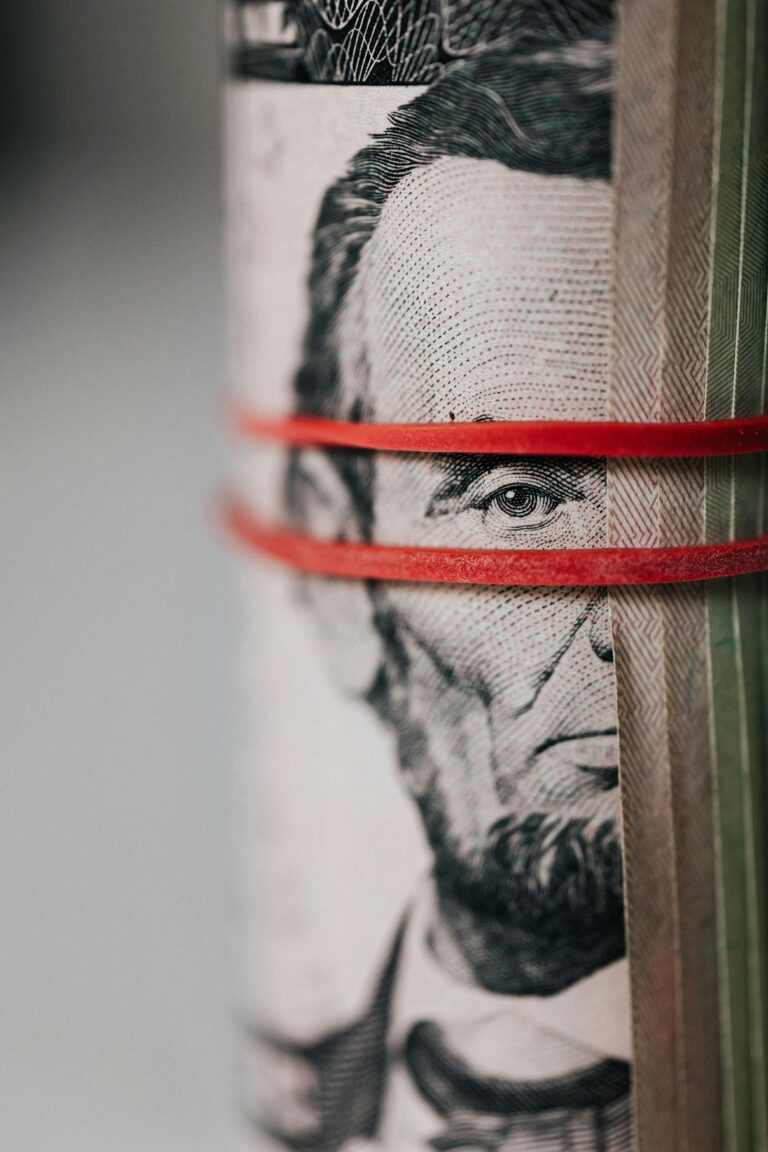
The persistent strength of the U.S. Dollar presents both unique opportunities and potential challenges for your financial future. This comprehensive article delves into the intricate mechanisms behind recent U.S. Dollar Gains, exploring how these currency shifts can profoundly impact your investments, personal finances, and long-term wealth building strategies. Discover actionable insights to navigate these market dynamics effectively and make informed decisions for your financial prosperity.
The Evolving Landscape of U.S. Dollar Gains and Your Wealth
In the dynamic world of global finance, currency movements often act as silent shapers of personal wealth. Recently, the U.S. Dollar has demonstrated a notable surge, with significant U.S. Dollar Gains becoming a prominent feature of the economic landscape. This trend is far from a mere statistical blip; it carries substantial implications for individuals striving to build and preserve wealth. For many, understanding the nuances of a strengthening dollar can feel like deciphering a complex financial code, yet its effects can be felt from the price of everyday goods to the performance of international investment portfolios.
The ‘Work to Wealth’ philosophy emphasizes informed decision-making as a cornerstone of financial success. Therefore, it’s crucial to look beyond the daily fluctuations reported in financial news and grasp the underlying forces and long-term consequences of a powerful dollar. This article aims to demystify these movements, translating sophisticated currency analysis into practical insights for your financial planning. We will explore how the current environment of U.S. Dollar Gains can influence your investments, savings, purchasing power, and even your travel budget, empowering you to adjust your strategies thoughtfully.
While daily forex forecasts and intricate technical analysis might cater to short-term traders, our focus here is on the strategic implications for the long-term investor and wealth builder. We aim to equip you with a holistic understanding, enabling you to recognize opportunities and mitigate risks presented by a robust dollar, ensuring your financial journey remains on a steady and prosperous path.
Understanding the Drivers of U.S. Dollar Gains
To effectively strategize around U.S. Dollar Gains, it’s essential to first comprehend what propels them. Currency values are not arbitrary; they are the result of a complex interplay of economic fundamentals, central bank policies, and global market sentiment. Recent periods of dollar strength can be attributed to several key factors that converge to bolster its position against other major currencies.
One of the primary drivers is the stance of central bank policies, particularly those of the Federal Reserve. When central banks signal a tighter monetary policy – for instance, through raising interest rates or reducing bond purchases – they make a country’s assets more attractive to foreign investors seeking higher returns. Conversely, hints of monetary easing, such as potential rate cuts or continued support for the labor market, can still influence expectations. For example, recent statements from prominent central bank officials have indicated a focus on supporting the labor market, acknowledging “downside risks to the labor market” even while the overall economy shows resilience. Such pronouncements often signal a cautious approach to future policy, which can subtly influence currency valuations.
Economic performance also plays a critical role. A relatively stronger U.S. economy, characterized by robust growth, lower unemployment, and stable inflation (or at least, inflation that is perceived to be under control), tends to attract capital. This capital inflow increases demand for the dollar, driving up its value. In contrast, economic uncertainties in other regions, such as “political uncertainty” noted in major European economies by economic analysts from a recognized financial institution, can weaken their respective currencies and further highlight the dollar’s relative strength. These analysts have warned that political risks, particularly during budget negotiations, can lead to concessions that “weaken fiscal discipline,” creating headwinds for regional currencies.
The U.S. Dollar’s status as a global safe haven currency is another significant contributor to its gains. During periods of global economic or geopolitical instability, investors worldwide often flock to the dollar, perceiving it as a secure store of value. This flight to safety increases demand for dollar-denominated assets, further pushing up its value. This phenomenon often sees the U.S. Dollar Index, a measure of the dollar’s value against a basket of major currencies, demonstrating significant strength, often reaching multi-week or even multi-month highs.
Furthermore, market sentiment and technical factors, while not central to ‘Work to Wealth’ discussions, nonetheless play a role in short-term movements that contribute to overall trends. For example, periods of “declining buying interest” in other currencies or specific “bearish sentiment” can exacerbate the dollar’s upward trajectory. While we won’t delve into the specifics of technical indicators, it’s worth noting that analysts observe various market signals that can confirm or predict continued strength in the dollar. Understanding these broader contextual factors provides a solid foundation for appreciating the profound impact of U.S. Dollar Gains on your financial strategies.
Impact on Your Investment Portfolio
For anyone engaged in wealth building, the strength of the U.S. Dollar is a critical factor influencing the performance and valuation of various assets within an investment portfolio. The effects are multifaceted, extending from international holdings to commodities and even domestic investments. Navigating these impacts requires a strategic approach.
International Stocks and Bonds
When the U.S. Dollar experiences significant U.S. Dollar Gains, international investments held by U.S.-based investors often face a headwind. Imagine you own shares in a European company. When the Euro weakens against the dollar, the value of those shares, when converted back into dollars, decreases. This is known as currency risk. Even if the underlying company performs well in its local currency, your dollar-denominated return can be eroded by unfavorable exchange rates. This applies equally to international bonds, where both the principal and interest payments can lose value when repatriated to a stronger dollar.
For those with globally diversified portfolios, a strong dollar necessitates a careful review of foreign asset exposure. While diversification across different geographies is generally a sound strategy, it also exposes investors to currency fluctuations. Some investors opt for currency-hedged exchange-traded funds (ETFs) or mutual funds, which employ strategies to mitigate the impact of currency movements. These products aim to lock in an exchange rate, thereby reducing the volatility caused by currency swings, allowing investors to focus more on the performance of the underlying assets.
Multinational corporations also feel the pinch. U.S. companies with substantial overseas operations and earnings reported in foreign currencies will see those earnings translate into fewer dollars when the dollar strengthens. This can negatively impact their reported revenues and profits, potentially affecting their stock prices. Conversely, foreign companies that rely heavily on U.S. consumers or have dollar-denominated costs may find their margins improving. Understanding these dynamics is crucial when evaluating the components of your international equity and fixed-income allocations.
Commodities
The relationship between the U.S. Dollar and commodity prices is often inverse. Most major commodities, such as oil, gold, silver, and agricultural products, are priced in U.S. Dollars on international markets. When the dollar strengthens, it takes more of a foreign currency to buy a dollar, and thus, fewer dollars are needed to buy a unit of a commodity. This effectively makes commodities more expensive for buyers holding weaker currencies, which can suppress demand and lead to lower commodity prices in dollar terms.
This dynamic has several implications for investors. For those with direct exposure to commodities through futures, ETFs, or stocks of commodity-producing companies, a strong dollar can translate into reduced returns. For the broader economy, lower commodity prices can influence inflation expectations. If oil, for instance, becomes cheaper due to a strong dollar, it can contribute to lower energy costs, which in turn can temper overall inflation rates. This can impact the purchasing power of your money and the real returns on your investments.
Gold, often seen as a safe-haven asset, also typically has an inverse relationship with the dollar. While gold can appreciate during times of economic uncertainty, a strengthening dollar often dampens its appeal as an alternative store of value. Investors holding gold might see its dollar value decline even as other forms of uncertainty persist, if the dollar is simultaneously rallying as a preferred safe haven.
Domestic Investments
While a strong dollar can create headwinds for international holdings, it can present a mixed picture for purely domestic investments. On one hand, a robust dollar can attract foreign capital seeking the safety and potential returns of dollar-denominated assets. This inflow can boost U.S. stock and bond markets. Companies primarily focused on the domestic market, with minimal international exposure, might be less affected by currency translations and could even benefit from lower import costs for their inputs.
However, a strong dollar can also make U.S. exports more expensive for foreign buyers, potentially hurting the competitiveness of export-oriented domestic companies. This can create a drag on their earnings and, by extension, their stock performance. The nuanced impact means that investors should look beyond broad market movements and consider the specific business models and revenue streams of their domestic holdings. Understanding which companies are net exporters versus net importers, or which have significant foreign currency exposure, becomes more important during periods of sustained U.S. Dollar Gains.
Personal Finance Implications of U.S. Dollar Gains
The impact of a strong U.S. Dollar extends far beyond investment portfolios, subtly influencing various aspects of your everyday personal finances. From the cost of consumer goods to the feasibility of international travel, U.S. Dollar Gains can directly affect your purchasing power and spending habits.
Cost of Imports
One of the most immediate and tangible benefits of a strengthening dollar is the potential reduction in the cost of imported goods. When the dollar is strong, it means U.S. consumers and businesses can purchase foreign goods and services at a more favorable exchange rate. This can lead to lower prices for everything from electronics manufactured overseas to imported automobiles, clothing, and even certain food products.
For the average consumer, this translates to increased purchasing power for imported items. Over time, if sustained, a strong dollar can contribute to a disinflationary environment, where prices for many goods either stabilize or even decrease. While not every imported item will see a direct price drop due to various supply chain and retail pricing strategies, the underlying economic pressure is towards lower costs for goods sourced from abroad. This provides an opportunity to potentially save money on certain purchases or to acquire higher-quality imported goods for the same budget.
Travel and Tourism
A strong dollar is excellent news for Americans planning international travel. When the U.S. Dollar appreciates against foreign currencies, your dollars go further abroad. This means that accommodations, meals, transportation, and souvenirs in countries with weaker currencies become more affordable. For instance, a trip to Europe, where the Euro has shown persistent weakness against the dollar, could become significantly more budget-friendly, allowing you to enjoy more experiences or extend your stay without breaking the bank.
Conversely, for international visitors traveling to the United States, a strong dollar makes their trip significantly more expensive. Their home currency buys fewer U.S. Dollars, meaning everything from hotel rooms to dining out and attractions will cost more. This can deter foreign tourism to the U.S., potentially impacting sectors of the domestic economy that rely on international visitors. For individuals, this highlights the advantage of timing international leisure or business trips strategically during periods of sustained U.S. Dollar Gains.
International Remittances
For individuals who regularly send money across borders, whether to support family abroad or for other financial obligations, a strong dollar can have a significant impact. If you are sending U.S. Dollars to a country with a weaker local currency, the recipient will receive a larger amount in their local currency due to the favorable exchange rate. This effectively increases the purchasing power of the money you send, providing more support to those receiving the funds.
However, the opposite is true for those receiving money from abroad and converting it into U.S. Dollars. If you are a U.S. resident receiving funds from a country whose currency has weakened against the dollar, the amount you receive in dollars will be less than it would have been previously. Understanding these dynamics is crucial for anyone involved in international financial transfers, as it can directly affect the real value of the money being sent or received. This is a subtle yet powerful effect of U.S. Dollar Gains on cross-border personal finance.
Debt and Loans
While less direct for the average U.S. resident, the strength of the dollar can have implications for debt and loans, particularly for those with international exposure. For individuals or entities holding dollar-denominated debt but earning income in a weaker foreign currency, the burden of repayment increases as it takes more of their local currency to acquire the dollars needed to service the debt. This can lead to financial strain and increased risk.
On the other hand, for U.S. residents holding dollar-denominated debt, a strong dollar primarily affects their overall economic environment. For instance, if a strong dollar contributes to lower inflation through cheaper imports, it might indirectly influence interest rate decisions by the central bank, which in turn affects the cost of borrowing for new loans or variable-rate debt. While the direct impact on a U.S. individual’s existing mortgage or car loan might be minimal, the broader economic conditions shaped by a strong dollar can influence future borrowing costs and opportunities.
Strategic Adjustments for Wealth Management Amidst U.S. Dollar Gains
Understanding the implications of U.S. Dollar Gains is the first step; the next is to proactively adjust your wealth management strategies. Smart financial planning involves being agile and responsive to prevailing economic winds, and currency strength is undoubtedly a significant one. These adjustments are not about short-term trading, but about reinforcing your long-term financial stability and growth.
Diversification Beyond Borders
A strong dollar presents a compelling opportunity to re-evaluate and potentially rebalance your international investment exposure. While a strengthening dollar can erode the dollar value of foreign assets, it also means that foreign assets can become “cheaper” for a dollar-based investor to acquire. This can be an opportune time to invest in international markets, anticipating that currency cycles will eventually turn, and a weaker dollar in the future could provide an additional boost to these investments.
Consider whether your current portfolio adequately diversifies across different global regions and currencies. Diversification is key to mitigating risk, and this includes currency risk. Exploring currency-hedged ETFs can be a viable option for those who wish to maintain international exposure without the added volatility of currency fluctuations. These instruments are designed to neutralize the impact of exchange rate changes on your investment returns, allowing you to focus purely on the performance of the underlying foreign assets. Additionally, for multinational companies, analyze their revenue streams: a U.S. company with significant European sales might see reduced dollar profits if the Euro is weak, while a U.S. company with high input costs from Europe might benefit.
Monitoring Economic Indicators
Staying informed about key economic indicators and central bank communications is paramount. The strength of the U.S. Dollar is heavily influenced by expectations regarding monetary policy. For instance, signals from the Federal Open Market Committee (FOMC) regarding interest rates, economic growth forecasts, and employment data can significantly impact the dollar’s trajectory. When the head of the central bank highlights “increasing risks to employment” or mentions that “payroll gains have slowed sharply,” it signals a more cautious economic outlook, which can influence market expectations for future rate adjustments.
Conversely, strong economic data that surpasses expectations might lead to a more hawkish stance, further bolstering the dollar. Observing these trends, along with inflation figures and geopolitical developments, provides a clearer picture of the forces acting on the dollar. While you don’t need to become a forex trader, a general awareness allows you to anticipate potential shifts and make timely adjustments to your long-term financial plans. This includes monitoring the health of other major economies, as their relative performance against the U.S. can also drive U.S. Dollar Gains.
Rebalancing Your Portfolio
Periods of sustained dollar strength offer an excellent opportunity for portfolio rebalancing. As certain asset classes (e.g., U.S. domestic stocks) may perform differently than others (e.g., international bonds) due to currency effects, your portfolio’s original asset allocation can drift. Regularly rebalancing ensures that your portfolio aligns with your risk tolerance and long-term financial goals.
For instance, if your international holdings have decreased in dollar value due to currency effects, they might now represent a smaller percentage of your portfolio than intended. This could be an opportune time to buy more, effectively “buying the dip” in foreign assets at a more favorable exchange rate, assuming you believe in their long-term growth potential and a potential reversal of currency trends. Conversely, if your U.S. assets have performed exceptionally well, you might consider taking some profits to reallocate to underperforming but strategically important areas. The key is to maintain a disciplined approach rather than making emotional decisions based on short-term currency movements.
Debt Management and Savings
A strong dollar can indirectly influence debt management and savings strategies. If the strong dollar contributes to lower import prices and, consequently, lower overall inflation, your existing savings retain more purchasing power. This environment might also, in the long run, contribute to stable or even lower interest rates, making certain types of debt (like variable-rate loans) potentially more manageable.
For those with savings, the decision to hold cash in dollars becomes more appealing during periods of U.S. Dollar Gains, as its purchasing power relative to other currencies increases. This can be beneficial for future large purchases of imported goods or for planned international travel. It also provides a stronger base for any future international investments you might consider. Strategic timing for major purchases that involve imported components can also leverage a strong dollar, allowing for greater value for your money.
Long-Term Outlook and Future Trends for U.S. Dollar Gains
While recent U.S. Dollar Gains have been significant, it’s crucial for wealth builders to adopt a long-term perspective. Currency markets, like all financial markets, are cyclical. Periods of strength are often followed by periods of consolidation or depreciation, and vice versa. Understanding the factors that could sustain or reverse dollar strength is key to long-term financial planning, rather than reacting to daily fluctuations.
Several factors could influence the dollar’s trajectory going forward. Global economic recovery, particularly in major trading partners, could lead to increased demand for their currencies, potentially tempering the dollar’s strength. Divergence in monetary policies among central banks also plays a significant role. If other major central banks begin to tighten their monetary policies more aggressively than the Federal Reserve, their currencies could gain ground against the dollar. For instance, while some analysts express “skepticism about the U.S. dollar’s ability to significantly cross the 100 resistance level on the dollar index,” this sentiment reflects the ongoing debate about the sustainability of current trends.
Geopolitical stability is another important consideration. If global uncertainties diminish, the dollar’s safe-haven appeal might lessen, leading investors to seek returns in other regions. Conversely, continued global instability could reinforce the dollar’s position. Trade policies and international relations also contribute to currency movements; favorable trade agreements or diplomatic resolutions can strengthen respective currencies, while tensions can lead to volatility.
For wealth builders, this means developing a robust financial plan that is resilient across various economic scenarios, not one that is solely dependent on continued U.S. Dollar Gains. This involves maintaining a well-diversified portfolio that can weather currency shifts, regularly reviewing asset allocations, and staying informed about macro-economic trends without getting caught up in short-term market noise. The goal is to build wealth steadily over time, leveraging economic trends where appropriate, but always prioritizing long-term stability and growth.
The Role of Expert Analysis in Navigating U.S. Dollar Gains
The complexity of currency markets and their intertwined relationship with global economics often necessitates a deeper dive into expert analysis. While ‘Work to Wealth’ emphasizes DIY financial planning, understanding the insights provided by seasoned market analysts can offer valuable context for your own long-term wealth strategies, even if you are not engaging in speculative trading.
Daily market insights, such as those provided by financial experts, contribute to a broader understanding of market sentiment, technical levels, and fundamental drivers. For example, when analysts highlight “declining buying interest” or note “bearish dominance over the currency pair’s direction” for the Euro against the dollar, it reflects a consensus view of the market’s current trajectory. This kind of information, while often focused on short-term trading signals, provides valuable context for the long-term investor. It helps to validate the observed trends in U.S. Dollar Gains and offers perspectives on potential turning points or continued momentum.
It’s important to distinguish between information for short-term trading and insights that inform long-term wealth management. For a ‘Work to Wealth’ reader, the value lies in understanding the ‘why’ behind currency movements – the central bank policies, economic data, and geopolitical events – rather than precise entry and exit points for currency trades. Knowing, for instance, that a head of the central bank is warning of “increasing risks to employment” or that “monetary easing” might be on the horizon helps you understand potential shifts in interest rates and their long-term impact on your investments and savings.
Expert analysis can also shed light on regional economic challenges, such as the “political uncertainty” noted in major European economies. Such insights help you assess the risks and opportunities in your international investment allocations. While ‘Work to Wealth’ readers focus on building sustainable wealth rather than engaging in speculative currency plays, being an informed participant in the global economy means appreciating the forces that shape asset values across different markets. Leveraging expert insights allows you to make more robust decisions about diversification, rebalancing, and risk management in your journey towards financial independence. It’s about empowering your choices with knowledge, rather than relying on daily forecasts for direct action.
Empowering Your Wealth Through Understanding U.S. Dollar Gains
The journey to wealth creation and preservation is one of continuous learning and adaptation. The recent period of significant U.S. Dollar Gains serves as a powerful reminder that global economic forces are constantly at play, influencing every aspect of our financial lives. From the value of your international investments to the cost of your next vacation abroad, a strong dollar has tangible and far-reaching effects.
By understanding the fundamental drivers behind these currency movements – including central bank policies, economic performance, and global safe-haven dynamics – you equip yourself with the knowledge needed to make informed decisions. We’ve explored how a robust dollar can create both headwinds and tailwinds across your investment portfolio, affecting international stocks, bonds, and commodities, while also impacting personal finance aspects like import costs, travel expenses, and international remittances.
The key takeaway for any ‘Work to Wealth’ enthusiast is the importance of proactive financial planning. This involves strategically adjusting your portfolio through diversification, monitoring crucial economic indicators, and regularly rebalancing to align with your long-term goals. It’s about building a resilient financial framework that can withstand and even thrive amidst currency fluctuations, rather than being caught off guard.
Ultimately, navigating the landscape of U.S. Dollar Gains is not about mastering the intricacies of daily forex trading, but about integrating this critical economic factor into your broader wealth management strategy. By staying informed, remaining adaptable, and applying sound financial principles, you can transform potential challenges into opportunities, empowering your wealth to grow and endure through all market cycles. Embrace the power of knowledge, and let the nuances of the global economy work in favor of your financial prosperity.
Frequently Asked Questions
How do U.S. Dollar Gains affect my international investments?
When the U.S. Dollar strengthens, the value of your international investments (stocks, bonds, real estate) held in foreign currencies may decrease when converted back into dollars. This is because your foreign currency earnings or asset values are worth less in dollar terms. To address this, you might consider currency-hedged investment products or strategically rebalance your portfolio to buy more foreign assets when they are relatively cheaper due to a strong dollar, anticipating future currency reversals.
I’m concerned about inflation; how does a strong U.S. Dollar influence it?
A strong U.S. Dollar generally helps to temper inflation by making imported goods and services cheaper. When the dollar can buy more of a foreign currency, the cost of goods brought into the U.S. from abroad decreases. This can alleviate price pressures on consumers and businesses, potentially contributing to a disinflationary environment. However, this effect is often offset by other factors like domestic demand and supply chain issues.
What steps can I take to protect my savings during periods of strong U.S. Dollar?
Protecting your savings during periods of strong U.S. Dollar Gains involves strategic planning. Your dollar-denominated savings will inherently have more purchasing power for imported goods and international travel. For investments, ensure your portfolio is well-diversified across different asset classes and geographies to mitigate currency risk. Consider allocating a portion to currency-hedged investments if you wish to maintain international exposure without direct currency volatility. Regularly review your asset allocation and rebalance as needed to align with your long-term financial goals.
My travel plans involve Europe; how does the U.S. Dollar Gains impact my budget?
If your travel plans include destinations where the local currency has weakened against the U.S. Dollar, such as parts of Europe, a strong dollar is highly beneficial for your budget. Your U.S. Dollars will convert into more local currency, making everything from accommodation and dining to sightseeing and shopping more affordable. This allows you to either save money on your trip or enjoy more experiences for the same budget, effectively increasing your purchasing power abroad.
Should I adjust my long-term retirement strategy based on U.S. Dollar strength?
While short-term currency fluctuations shouldn’t dictate your entire retirement strategy, sustained U.S. Dollar Gains warrant consideration. If your retirement plan includes significant international investments, a strong dollar could temporarily reduce their dollar-denominated value. However, it also presents an opportunity to acquire more foreign assets at a favorable exchange rate. The key is maintaining a diversified portfolio that is robust across different economic cycles and currency regimes, ensuring your long-term goals remain on track regardless of current dollar strength.