

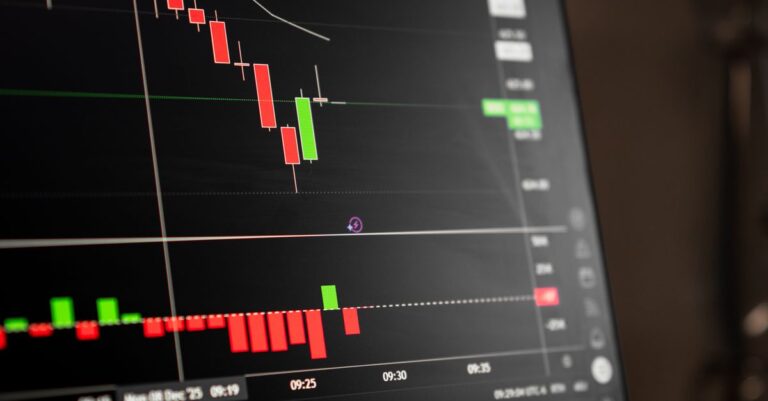
Learn how to transform market volatility into opportunity. This guide offers practical strategies for long-term investors to navigate uncertain times confidently.
Recent market movements, often driven by global events, remind us that fluctuations are an inherent part of investing. One day the market surges on positive news, the next it pulls back sharply, leaving many investors feeling uneasy. This constant dance, often referred to as market volatility, can be unsettling, especially for those new to investing or with short-term horizons. However, for the discerning long-term investor, periods of increased volatility are not just risks; they are also potential opportunities.
My journey through various market cycles has taught me that panic is the investor’s greatest enemy. Instead of reacting impulsively to every headline, a well-thought-out strategy focused on fundamental principles and a disciplined approach can actually turn market swings into an advantage for building wealth. Let’s explore how you can navigate these choppy waters with confidence.
Understanding Market Volatility’s True Nature
The stock market rarely moves in a straight line. Ups and downs are normal, representing the collective optimism and pessimism of millions of participants. What might feel like an extreme swing today is often just a blip on the long-term chart when viewed over decades. Recognizing this fundamental truth is the first step in managing your response to it.
Think of volatility not as a bug, but as a feature of healthy markets. It creates entry points for new capital and opportunities for rebalancing, allowing astute investors to buy assets at more attractive valuations. The key is to separate short-term noise from long-term value.
Your Emergency Fund: The Unshakable Foundation
Before you even consider deploying capital into a volatile market, ensure your personal finances are robust. A fully funded emergency savings account, typically holding three to six months of essential living expenses in an easily accessible savings account, is non-negotiable. This financial cushion prevents you from being forced to sell investments at a loss if an unexpected expense arises during a market downturn.
Without this foundation, even the best investment strategy can crumble under personal financial pressure. It provides peace of mind, allowing your investments to weather any storm without interference from your immediate cash flow needs.
The Power of Diversification During Swings
Diversification is perhaps the most fundamental risk management tool. Spreading your investments across different asset classes (stocks, bonds, real estate), industries, and geographical regions helps cushion your portfolio against significant losses when one sector or asset class experiences a downturn. It’s like not putting all your eggs in one basket.
During periods of market volatility, some parts of your portfolio may dip while others hold steady or even rise. This balance prevents a single poor performance from devastating your overall financial picture. A common observation is how many investors neglect this during bull markets, only to regret it when the market corrects.
Embrace Dollar-Cost Averaging
One of the most effective strategies for navigating a volatile market is dollar-cost averaging. This involves investing a fixed amount of money at regular intervals, regardless of whether the market is up or down. When prices are high, your fixed amount buys fewer shares; when prices are low, it buys more shares.
Over time, this strategy averages out your purchase price, reducing the risk of making a large investment right before a market dip. It removes emotion from the investment process and enforces a disciplined savings habit, ensuring you participate in market recoveries while mitigating risk during declines. I’ve personally found this strategy invaluable for maintaining a consistent investment schedule, especially when my gut told me to wait on the sidelines.
Rebalancing: A Disciplined Approach to Opportunity
Your asset allocation is like the blueprint of your portfolio. Over time, due to market movements, your initial allocation will drift. Rebalancing involves periodically adjusting your portfolio back to your target asset allocation. This often means selling assets that have performed well and buying assets that have underperformed, effectively “buying low and selling high” without trying to time the market.
For instance, if your stock allocation has grown significantly due to a bull run, you might sell some stocks and buy bonds to return to your desired risk profile. During periods of market volatility, rebalancing can be particularly potent, forcing you to trim positions that have become overweighted and add to those that are temporarily undervalued. It’s a mechanism that forces you to act against the natural inclination to chase returns.
Avoid Emotional Reactions: Stick to Your Plan
Fear and greed are powerful emotions that can derail even the best-laid financial plans. When markets are plunging, the urge to sell everything to stop the bleeding is strong. Conversely, during rapid rallies, the fear of missing out can lead to impulsive, high-risk purchases. One of the most common pitfalls I’ve witnessed is investors selling after a significant drop, only to buy back in after the market has already recovered, thereby locking in losses.
Having a clear, written investment plan, outlining your goals, risk tolerance, and asset allocation, provides a critical anchor during turbulent times. Refer to it often, and remind yourself that your long-term goals are paramount, not short-term fluctuations.
Focus on Quality, Not Hype
In a volatile market, the importance of investing in fundamentally strong companies becomes even more apparent. Look for businesses with solid balance sheets, consistent earnings, competitive advantages, and experienced management teams. These companies tend to be more resilient during economic downturns and are better positioned to recover and thrive when conditions improve.
Avoid speculative investments or chasing “hot” stocks that lack underlying fundamentals, as these can be decimated rapidly during market corrections. A focus on quality ensures your portfolio is built on a strong foundation, capable of weathering various economic climates.
Tax-Loss Harvesting: Turning Dips into Deductions
For investors in taxable accounts, a market downturn can present an opportunity for tax-loss harvesting. This strategy involves selling investments at a loss to offset capital gains and potentially reduce your taxable income. You can then reinvest the proceeds into a similar (but not “substantially identical” to avoid wash sale rules) asset to maintain your market exposure.
Consulting with a tax professional or financial advisor is crucial to ensure this strategy is executed correctly and aligns with your overall financial plan. It’s an often-overlooked advantage of bear markets and volatile periods that can soften the blow of paper losses.
Regular Portfolio Reviews: Stay Aligned with Goals
Even with the best strategies, your financial situation and market conditions will evolve. Schedule regular, perhaps annual or semi-annual, reviews of your investment portfolio. During these reviews, assess if your asset allocation still aligns with your risk tolerance, time horizon, and financial goals. This is also the time to make any necessary adjustments based on life events, such as a career change, marriage, or the birth of a child.
These reviews are distinct from emotional reactions to daily market news. They are a deliberate, scheduled opportunity to ensure your investments are still working for you effectively towards your long-term wealth accumulation objectives.
Navigating market volatility is less about predicting the future and more about having a robust, disciplined framework. By understanding the market’s nature, building a strong financial foundation, and adhering to proven investment strategies, you can transform periods of uncertainty into opportunities for long-term financial success. Stay calm, stay invested, and stick to your plan.
Frequently Asked Questions
How can market volatility impact my long-term financial goals?
Market volatility can create short-term fluctuations in your portfolio’s value, which might feel concerning. However, for long-term goals, it often presents opportunities. Downturns allow you to buy assets at lower prices through strategies like dollar-cost averaging, potentially accelerating wealth accumulation when the market recovers. The key is to avoid panic selling and remain invested according to your plan.
What is the biggest mistake investors make when facing market swings?
The most significant mistake is typically reacting emotionally, especially panic selling during a downturn. This locks in losses that would otherwise only be “paper losses” and often prevents investors from participating in the subsequent market rebound. Conversely, chasing rapidly rising assets out of FOMO (fear of missing out) can lead to buying high right before a correction. Sticking to a disciplined, pre-defined investment plan is crucial.
How much cash should I keep readily available to manage market uncertainty?
It’s highly recommended to maintain a robust emergency fund, typically covering three to six months of essential living expenses, in a liquid savings account. This cash reserve acts as a buffer, preventing you from needing to sell investments during market dips to cover unexpected costs or job loss, thereby protecting your long-term portfolio.
Can market volatility actually be beneficial for my investments?
Yes, for long-term investors, volatility can be beneficial. It creates opportunities to buy more shares of quality assets at lower prices through dollar-cost averaging. It also facilitates portfolio rebalancing, allowing you to sell overweighted assets and buy underweighted ones, aligning your portfolio back to your target allocation. These actions can enhance returns over extended periods if managed strategically.