

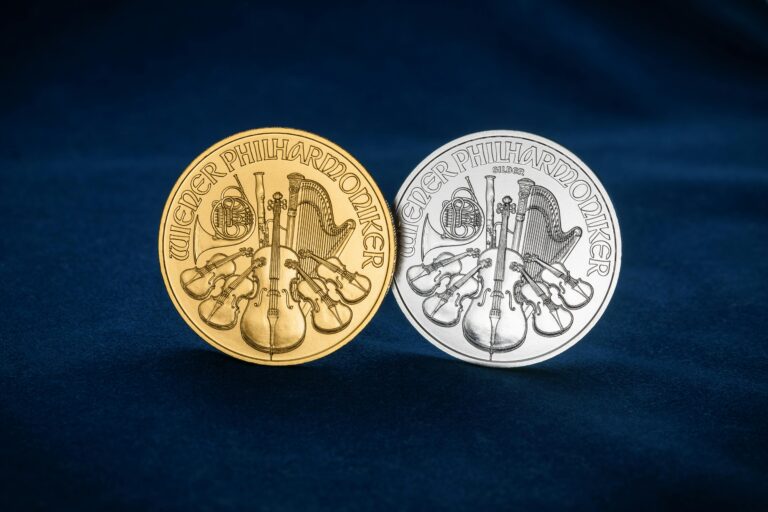
Discover how recent market shifts and Federal Reserve expectations are propelling silver prices. This guide equips you with insights to navigate silver investing for potential portfolio growth.
Recent financial reports indicate a significant upward trend in the value of silver investing, with the precious metal reaching new highs. This surge is not merely a fleeting market anomaly but rather a reflection of several converging economic factors and strong underlying demand. For those looking to diversify their wealth-building strategies, understanding the drivers behind silver’s ascent and its potential role in a robust portfolio is crucial. The current environment, marked by evolving monetary policies and shifting industrial landscapes, presents a unique window for investors to evaluate their exposure to this multifaceted asset.
The journey to wealth is often paved with strategic diversification and an keen eye on market signals. Silver investing, while often overshadowed by its golden counterpart, offers a compelling narrative for both stability and growth. Its dual nature as a safe-haven asset and a vital industrial metal makes it particularly responsive to a broad spectrum of economic indicators. As we delve into the specifics of why silver is currently experiencing such momentum, we will also explore practical approaches for incorporating it into your long-term financial plan, ensuring you are well-positioned to capitalize on these trends.
The Confluence of Factors Driving Silver’s Remarkable Ascent
The recent rally in silver investing is underpinned by a powerful combination of macroeconomic forces and specific market dynamics. Understanding these elements is fundamental for any investor contemplating an allocation to this precious metal. A closer look reveals a narrative shaped by central bank policies, labor market trends, inflation data, and industrial demand.
Federal Reserve Policy Expectations Fueling Precious Metals
One of the primary catalysts for silver’s recent strength has been the evolving sentiment surrounding the Federal Reserve’s monetary policy. Market participants are increasingly factoring in expectations for interest rate cuts. When central banks signal or implement rate cuts, it typically diminishes the appeal of holding interest-bearing assets like government bonds. This often leads investors to seek alternatives, and precious metals, which do not offer a yield, become more attractive. A lower interest rate environment reduces the opportunity cost of holding non-yielding assets, thereby boosting their demand.
The anticipation of continued support for precious metals through easier policy measures creates a constructive backdrop for silver investing. Traders and institutional investors are positioning themselves for a future where borrowing costs are lower, potentially stimulating economic activity while simultaneously making commodities like silver more appealing as a store of value.
Weakening Labor Data Signals Economic Headwinds
Adding to the case for easier monetary policy are recent indicators from the labor market. Reports of declines in private payrolls and a significant surge in announced layoffs across various sectors point to a cooling, if not contracting, job market. Such data often signals broader economic vulnerabilities, reinforcing the argument for central banks to adopt a more accommodative stance.
When economic growth fears take hold, investors frequently turn to assets traditionally considered safe havens. Silver, alongside gold, benefits from this flight to safety. The notion that the economy might be slowing down, despite pockets of resilience, strengthens the conviction among many that precious metals offer a valuable hedge against uncertainty. This sentiment directly contributes to increased interest in silver investing.
Softer Inflation Readings and Their Impact on Silver’s Appeal
Inflation data also plays a critical role. Recent core Personal Consumption Expenditures (PCE) prints, while broadly in line with expectations, have shown signs of cooling. Softer inflation figures can give central banks more room to ease monetary policy without immediately reigniting price pressures. This dynamic further supports the narrative for potential rate cuts.
While gold is often touted as the ultimate inflation hedge, silver also benefits from inflation concerns, especially during periods of high or uncertain inflation. More importantly, when inflation cools but economic growth remains subdued, the prospects of easier monetary policy to stimulate growth become more pronounced, which, as discussed, is a tailwind for silver investing.
A Weakening U.S. Dollar Enhances Silver’s Attractiveness
The U.S. dollar index (DXY) has seen significant depreciation over the past year, holding near multi-month lows. A weaker dollar makes dollar-denominated commodities, including silver, more affordable for international buyers holding other currencies. This increased purchasing power translates into stronger demand for silver globally, putting upward pressure on its price.
The inverse relationship between the dollar and precious metals is a well-established market dynamic. As speculation mounts regarding future Federal Reserve leadership and the likelihood of further rate cuts, the dollar tends to weaken. This creates a favorable exchange rate environment, boosting the appeal and profitability of silver investing for a broad spectrum of global investors.
Robust Industrial Demand: The Unsung Hero of Silver’s Rally
Beyond its role as a safe haven, silver possesses significant industrial utility, and this aspect has been a major driver of its recent performance. The metal is crucial for a wide array of high-tech and green technologies, most notably in solar energy installations. Recent years have witnessed record solar deployments, leading to unprecedented demand for silver within the renewable energy sector.
This industrial appetite, combined with persistent supply deficits, has pushed silver inventories to multi-decade lows. The recognition of silver’s strategic importance is further cemented by its inclusion on critical minerals lists by various governments, underscoring its essential role in electrification and modern infrastructure. This structural demand component provides a robust floor for silver prices and significant upside potential, differentiating it from purely monetary assets and making silver investing a unique proposition.
“Silver’s current ascent isn’t just about safe-haven appeal; its indispensable role in green technology and persistent supply deficits are creating a compelling long-term investment case.” – A Market Analyst
Silver in Your Portfolio: Beyond the Headlines
Understanding the current drivers of silver’s price action is merely the first step. For ‘Work to Wealth’ readers, the critical question is how this translates into practical strategies for long-term wealth building. Silver investing can offer several advantages when integrated thoughtfully into a diversified portfolio.
Diversification and Risk Mitigation
One of the primary benefits of adding silver to a portfolio is diversification. Precious metals often exhibit a low correlation with traditional asset classes like stocks and bonds, particularly during periods of market stress or economic uncertainty. This means that when stocks might be falling, silver could be holding its value or even rising, thereby helping to smooth out overall portfolio volatility.
For investors focused on sustainable wealth growth, diversification is not just about spreading risk; it’s about optimizing returns across different market cycles. Silver’s dual nature (monetary and industrial) allows it to potentially perform well in various economic conditions – as a safe haven during downturns and benefiting from industrial growth during expansions. This makes silver investing a versatile tool for risk mitigation.
Inflation Hedge and Store of Value
Throughout history, precious metals have served as a reliable hedge against inflation and a store of value. While fiat currencies can lose purchasing power over time due to inflation, commodities like silver tend to retain their intrinsic value. In an environment where inflation, even if moderating, remains a concern, holding physical assets can protect your wealth.
For individuals planning for retirement or building generational wealth, preserving purchasing power is paramount. Silver investing offers a tangible asset that is not subject to the same counterparty risks as financial instruments. It represents a form of real wealth that can withstand economic shocks and currency debasement over the long term.
Growth Potential from Industrial Demand
Unlike gold, which is predominantly a monetary metal, silver’s substantial industrial demand provides an additional layer of growth potential. The global transition to clean energy, the proliferation of electronics, and advancements in medical technology all rely heavily on silver’s unique conductive and antibacterial properties.
As these sectors continue to expand, the demand for silver is projected to grow robustly. This structural demand story, coupled with ongoing supply challenges from mining, suggests a fundamental imbalance that could support higher silver prices in the future. For strategic investors, this industrial tailwind makes silver investing an attractive play on global technological and environmental shifts.
Approaches to Silver Investing: Choosing Your Path
Once you’ve decided that silver investing aligns with your wealth objectives, the next step is to choose the most suitable investment vehicle. There are several ways to gain exposure to silver, each with its own set of advantages and considerations.
1. Physical Silver: Bullion and Coins
Investing in physical silver involves purchasing tangible assets like silver bars (bullion) or coins. This is often preferred by investors who value direct ownership, privacy, and the complete absence of counterparty risk. Holding physical silver can provide a strong sense of security, knowing you possess a tangible asset.
- Pros: Direct ownership, no counterparty risk, potential for privacy, tangible asset, can be passed down generations.
- Cons: Storage costs (secure vault or home safe), potential for higher premiums over spot price, liquidity can be an issue for very large quantities, not easily divisible for small transactions, sales tax in some jurisdictions.
- Considerations: Buy from reputable dealers. Understand premiums. Plan for secure storage and insurance.
2. Silver Exchange-Traded Funds (ETFs) and Exchange-Traded Notes (ETNs)
Silver ETFs and ETNs offer a convenient way to gain exposure to silver’s price movements without the complexities of physical storage or insurance. These financial instruments trade on stock exchanges like regular shares, making them highly liquid and accessible.
- Pros: High liquidity, low transaction costs compared to physical silver, no storage or insurance concerns, easy to trade, often track spot price closely.
- Cons: Counterparty risk (you don’t own the physical metal directly), management fees, potential for tracking error, tax implications can differ from physical holdings.
- Considerations: Research the specific fund’s holdings (is it physically backed or derivative-based?), expense ratios, and the reputation of the fund provider.
3. Silver Mining Stocks
Investing in the stocks of companies that mine silver can offer leveraged exposure to the price of the metal. When silver prices rise, mining companies can see their profits increase disproportionately, leading to higher stock valuations. This can be a high-reward, high-risk approach to silver investing.
- Pros: Potential for leveraged gains, dividends from profitable companies, exposure to company-specific growth.
- Cons: Subject to company-specific risks (management, operational issues, geopolitical risks in mining regions), higher volatility than physical silver or ETFs, not a direct play on silver price alone.
- Considerations: Conduct thorough due diligence on individual companies, their balance sheets, management teams, and production costs. Diversify across several mining stocks if choosing this route.
4. Silver Futures and Options (Advanced)
For experienced investors with a higher risk tolerance, silver futures and options contracts offer another avenue for exposure. These derivatives allow investors to speculate on the future price of silver with significant leverage.
- Pros: High leverage, ability to profit from both rising and falling prices, good for short-term trading strategies.
- Cons: Extremely high risk, complex instruments, requires significant capital and market understanding, potential for substantial losses.
- Considerations: Not recommended for most retail investors or those new to commodities. Requires deep market knowledge and robust risk management strategies.
Strategic Allocation and Risk Management in Silver Investing
Integrating silver investing into your broader ‘Work to Wealth’ strategy requires thoughtful consideration of portfolio allocation and diligent risk management. While silver offers compelling opportunities, it is essential to approach it with a balanced perspective.
Determining Your Allocation
There’s no one-size-fits-all answer for how much silver to include in a portfolio. A common guideline for precious metals (gold and silver combined) is typically 5% to 15% of an investor’s total portfolio. The exact percentage depends on individual financial goals, risk tolerance, time horizon, and current market outlook.
- Conservative Investors: Might lean towards the lower end of the range, focusing on silver’s diversification and inflation-hedging properties.
- Growth-Oriented Investors: Might consider a slightly higher allocation, particularly if they believe in the strong industrial demand narrative and potential for price appreciation.
- Risk Tolerance: Higher tolerance might allow for more exposure, especially through more volatile vehicles like mining stocks. Lower tolerance suggests physical silver or physically-backed ETFs.
Regularly reviewing your portfolio and rebalancing your allocation is crucial. If silver’s value significantly outperforms other assets, you might consider trimming your position to maintain your target allocation and realize profits. Conversely, if it underperforms, it might present a “buy the dip” opportunity to increase your holdings, consistent with market analyst sentiments observed in recent reports.
Managing Volatility and Market Sentiment
Silver can be a volatile asset. Its price movements can be more pronounced than gold due to its smaller market size and dual demand profile. Economic data, central bank announcements, geopolitical events, and even shifts in industrial technology can all impact silver prices rapidly.
To mitigate the impact of volatility:
- Long-Term Perspective: Focus on silver’s long-term fundamentals rather than short-term price fluctuations.
- Dollar-Cost Averaging: Consider investing a fixed amount regularly, regardless of price. This can help average out your purchase price over time.
- Set Realistic Expectations: Understand that even strong assets can experience pullbacks. Avoid emotional trading decisions based on day-to-day movements.
Understanding the Gold-Silver Ratio
A useful tool for silver investing is the gold-silver ratio, which indicates how many ounces of silver it takes to buy one ounce of gold. This ratio fluctuates, and historically, extremes in the ratio can signal opportunities. When the ratio is very high (meaning silver is historically cheap relative to gold), some investors see it as an attractive entry point for silver. When the ratio is low, it might suggest gold is more undervalued. Recent market analysis notes that many investors still view silver as cheap relative to gold, reinforcing the “buy-the-dip” strategy.
Staying Informed and Adapting
The financial landscape is dynamic. Staying informed about economic indicators (inflation, labor reports), central bank policy shifts, and developments in industries that rely on silver (e.g., solar technology) is essential. While the current outlook for silver remains bullish, continuous monitoring allows you to adapt your strategy as conditions evolve. Rely on reputable financial news sources and analyses, without falling prey to sensationalism.
The Long-Term Outlook for Silver and Your Wealth
The current bullish momentum in silver investing is supported by a robust set of fundamental and technical factors. As we look ahead, the outlook for silver appears promising, especially for long-term wealth builders who understand its unique position in the global economy.
Continued Federal Reserve Influence
Unless there is a significant hawkish surprise from the Federal Reserve in the near future, the consensus expectation of rate cuts will likely continue to provide tailwinds for precious metals. A sustained period of lower interest rates tends to keep the U.S. dollar subdued, further enhancing silver’s attractiveness to a global audience. This monetary policy environment fosters a positive sentiment for non-yielding assets.
Persistent Industrial Demand and Supply Dynamics
The structural demand from green technologies, particularly solar energy, is not a transient trend. Global efforts toward decarbonization and electrification are long-term initiatives that will continue to require substantial amounts of silver. Coupled with the challenges of increasing mine supply (which is often a slow and capital-intensive process), the supply-demand imbalance is likely to persist.
This fundamental strength suggests that industrial demand will continue to be a significant price driver, offering a solid base for silver’s value, independent of its safe-haven appeal. For investors with a multi-year horizon, this makes silver investing an appealing play on future technological and environmental trends.
Strategic Importance and “Buy-the-Dip” Mentality
Silver’s inclusion on critical minerals lists by major governments underscores its strategic importance. This recognition can lead to policies and investments that further support its market. Moreover, the market continues to exhibit a “buy-the-dip” mentality, where any significant pullback is viewed by many as an opportunity to accumulate more, rather than exit positions.
This resilient market sentiment, combined with strong technical support levels (like the 50-day moving average mentioned in recent analyses), suggests that dips might be shallower and recoveries quicker, offering tactical entry points for patient investors.
Integrating Silver into Your ‘Work to Wealth’ Blueprint
For readers of ‘Work to Wealth’, the goal is always to build a resilient and growing financial future. Silver investing, when approached with careful planning and a clear understanding of its role, can be a valuable component of this blueprint.
- As a Diversifier: Silver helps spread risk and protect against volatility in other asset classes.
- As an Inflation Shield: It preserves purchasing power over the long term, safeguarding your hard-earned wealth.
- As a Growth Engine: Its industrial demand profile offers unique growth potential tied to global technological advancement.
- As a Strategic Asset: Understanding its monetary and industrial characteristics allows for informed decision-making during different economic cycles.
Before making any investment, consider consulting with a qualified financial advisor to ensure that silver investing aligns with your overall financial plan, risk tolerance, and specific goals. The current market environment presents a compelling case for silver, but individual circumstances always dictate the best course of action. By staying informed, planning strategically, and taking a disciplined approach, you can harness the potential of silver to contribute meaningfully to your journey towards sustained wealth.
Frequently Asked Questions
How can silver investing help diversify my portfolio against market downturns?
Silver, like other precious metals, often exhibits a low correlation with traditional assets such as stocks and bonds. This means that during periods when stock markets are experiencing declines or economic uncertainty is high, silver prices may hold steady or even appreciate. Its role as a safe-haven asset, combined with its tangible nature, allows it to act as a hedge, providing a buffer against volatility in other parts of your portfolio and helping to smooth out overall returns for long-term wealth building.
What are the primary reasons for silver’s recent price surge, and are they sustainable for silver investing?
Silver’s recent surge is driven by a combination of factors: expectations for Federal Reserve interest rate cuts, weakening U.S. dollar, softer inflation data, and robust industrial demand (especially from solar installations) amidst persistent supply deficits. Many analysts believe these drivers, particularly the long-term industrial demand from green technologies and the potential for continued accommodative monetary policy, suggest a sustainable underlying strength for silver, making the current trend potentially enduring for strategic silver investing.
What are the safest ways to engage in silver investing without taking on excessive risk?
For investors prioritizing safety and lower risk in silver investing, considering physical silver (bullion or coins) or physically-backed Silver Exchange-Traded Funds (ETFs) are generally the most prudent options. Physical silver offers direct ownership and no counterparty risk, though it requires secure storage. Physically-backed ETFs provide convenience, liquidity, and diversification without the need for physical storage, offering a balance between accessibility and lower risk compared to more volatile options like mining stocks or futures.
How does the gold-silver ratio factor into decisions for silver investing?
The gold-silver ratio measures how many ounces of silver it takes to buy one ounce of gold. It’s a historical indicator that can help gauge whether silver is relatively overvalued or undervalued compared to gold. When the ratio is historically high (meaning silver is “cheap” relative to gold), some investors see it as an attractive opportunity for silver investing, anticipating that silver will eventually catch up. Conversely, a historically low ratio might suggest silver is relatively expensive. It’s a useful tool for strategic allocation, helping investors identify potential entry or exit points within the precious metals complex.
What are the risks associated with silver investing that wealth builders should be aware of?
While promising, silver investing carries risks. Its price can be volatile due to its smaller market size and dual demand (industrial and monetary). Economic downturns can reduce industrial demand, while shifts in monetary policy or a stronger U.S. dollar can diminish its safe-haven appeal. Investors in silver mining stocks face additional company-specific risks like operational issues or geopolitical factors. It’s crucial for wealth builders to understand these potential fluctuations and consider silver as part of a diversified portfolio, rather than a singular focus, to mitigate overall risk.