

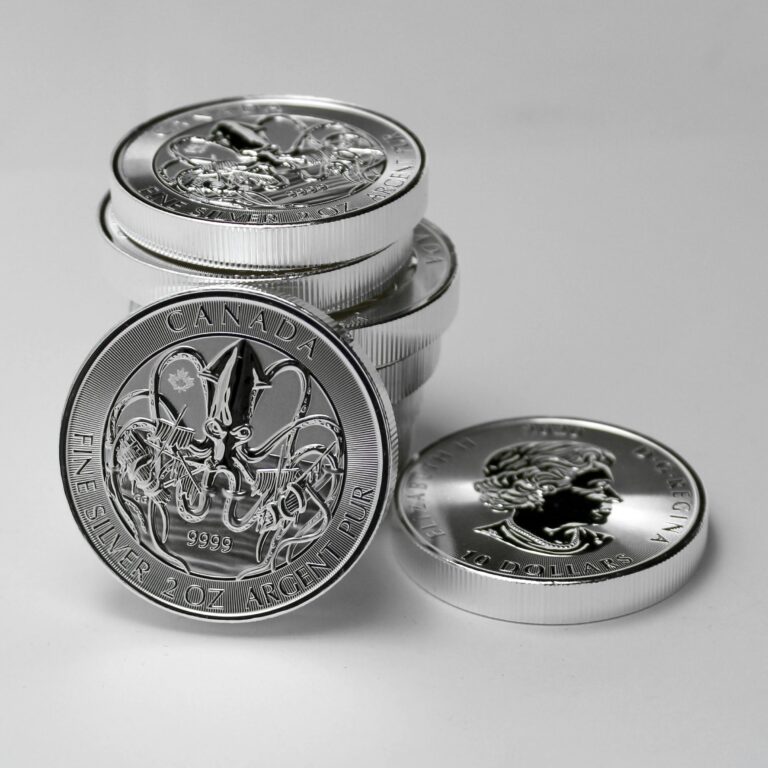
Recent shifts in commodity markets, particularly a significant retracement in silver prices, often spark investor uncertainty. This article delves into how a strategic approach to silver investment can transform short-term volatility into long-term wealth building, offering a clear roadmap for integrating this precious metal into your diversified portfolio with confidence, regardless of daily market fluctuations.
The world of investments is rarely a straight line, and the recent movements in the silver investment market exemplify this perfectly. After a remarkable ascent that saw silver futures (XAGUSD) surge from approximately $28.31 to a peak of $54.49 over a period of six months, the market has undergone a significant repricing phase. Ending a nine-week winning streak and shedding over 6% to close around $48.67, this pullback has naturally caused some apprehension among those watching the market closely. However, for the discerning investor focused on long-term wealth accumulation, such periods of adjustment offer a crucial opportunity to reassess, understand, and strategically position oneself, rather than succumb to panic.
Our goal at ‘Work to Wealth’ is to empower you to navigate these market complexities with an informed perspective. While headlines might focus on immediate price targets, like the potential movement towards the $41.40–$38.31 value zone highlighted in market analyses such as FXEmpire’s report from October 26, 2025, our focus extends beyond these short-term fluctuations. We aim to equip you with the knowledge to understand the underlying dynamics of silver, its historical significance, its multifaceted demand, and its strategic role within a robust, diversified investment portfolio. This deeper understanding is paramount for converting market volatility into stepping stones on your path to financial prosperity.
Understanding Silver: More Than Just a Shiny Metal
Silver, often overshadowed by gold, holds a unique and vital position in both global finance and industrial applications. Its appeal is deeply rooted in history, serving as currency and a store of value for millennia. Yet, in the modern era, its utility has expanded exponentially, making it a critical component in countless everyday technologies. This dual nature—as a precious metal and an industrial commodity—is fundamental to grasping its long-term investment potential and why silver investment can be a valuable addition to a thoughtful portfolio.
A Historical Perspective on Silver’s Value
Throughout history, silver has been intimately linked with wealth and power. Ancient civilizations valued it for its beauty and malleability, crafting it into jewelry, ceremonial objects, and coinage. Its intrinsic value was recognized across diverse cultures, establishing it as a universal medium of exchange long before paper currencies existed. Even as monetary systems evolved, silver retained its allure as a reliable store of wealth, particularly during times of economic uncertainty or geopolitical instability. This enduring legacy as a trusted asset contributes significantly to its perceived value today, influencing investor sentiment during periods of market stress.
From the Roman Empire to the British sterling, silver has been central to global economies. Its scarcity relative to industrial metals, combined with its widespread acceptance, cemented its status as a reliable asset. Understanding this historical context helps temper reactions to short-term price movements, reminding investors of silver’s foundational role in economic history and its inherent value beyond speculative peaks and troughs.
Silver’s Dual Role: Industrial Powerhouse and Monetary Asset
What sets silver apart from other precious metals, particularly gold, is its extensive industrial utility. Approximately half of all mined silver is consumed by various industries, a stark contrast to gold, which sees the vast majority of its demand from jewelry and investment. This industrial demand creates a unique floor for silver prices, as its utility is constantly in demand regardless of investor sentiment. This makes silver investment a complex but potentially rewarding proposition.
Industrial Demand: The Unseen Engine
Silver’s exceptional thermal and electrical conductivity, combined with its ductility, malleability, and reflectivity, make it indispensable across a wide array of high-tech applications. These industrial uses are not merely niche markets; they are foundational to modern technological advancement. Key sectors include:
- Electronics: Silver is crucial for electrical contacts, conductors, and printed circuit boards in virtually all electronic devices, from smartphones and computers to household appliances. Its superior conductivity ensures efficient performance and reliability.
- Solar Energy: The booming solar industry is a significant consumer of silver. Photovoltaic cells use silver paste to conduct electricity generated from sunlight. As the world transitions to renewable energy, demand from this sector is projected to grow substantially.
- Medical Applications: Silver’s antibacterial properties make it invaluable in medicine for wound dressings, medical instruments, and water purification systems. Its ability to inhibit bacterial growth provides a crucial function in healthcare.
- Automotive Industry: Modern vehicles, especially electric and hybrid models, rely on silver for electrical connections, switches, and conductive coatings, supporting the complex electronic systems that define contemporary automobiles.
- Photography: While less dominant than in the past due to digital advancements, silver halide remains essential for traditional film photography and X-ray imaging, continuing to contribute to overall demand.
The consistent and growing demand from these industrial sectors provides a baseline support for silver prices. Innovations in green technology, in particular, are expected to keep industrial consumption robust, making the long-term outlook for silver investment tied closely to global technological progress and sustainability efforts.
Investment and Monetary Asset: The Safe-Haven Appeal
Beyond its industrial utility, silver retains its traditional role as a precious metal and a store of value. Like gold, it is often sought during periods of economic uncertainty, geopolitical turmoil, or inflationary pressures. Investors view it as a hedge against currency debasement and a tangible asset that can preserve purchasing power when traditional financial assets falter. This “safe-haven” appeal is a significant driver of investment demand, especially when confidence in fiat currencies or equity markets wanes.
The perception of silver as “poor man’s gold” also plays a role, making it more accessible to a broader range of investors. Its relatively lower price per ounce compared to gold allows for greater participation, making it a popular choice for those looking to diversify into precious metals without the higher entry cost of gold. This accessibility can amplify demand during periods of heightened investor interest in precious metals, contributing to price swings.
Decoding Silver’s Price Dynamics: Beyond the Headlines
Understanding what drives silver’s price movements is critical for any long-term silver investment strategy. While technical analysis and speculative sentiment can influence short-term trading, fundamental factors, including global economic health, monetary policy, and supply-demand imbalances, are the true arbiters of its long-term trajectory. Recent market reports, such as the one from FXEmpire, often highlight specific catalysts, offering a glimpse into the intricate web of forces at play.
Global Economic Health and Industrial Demand
Given silver’s significant industrial usage, its price is highly sensitive to the global economic cycle. During periods of robust economic growth, manufacturing activities increase, leading to higher demand for silver in electronics, solar panels, and automotive components. Conversely, an economic slowdown or recession typically results in decreased industrial output and, subsequently, lower industrial demand for silver, putting downward pressure on prices.
The transition to a greener global economy is a powerful long-term tailwind for industrial silver demand. Policies promoting solar energy, electric vehicles, and other sustainable technologies inherently increase the need for silver, creating a structural demand shift that may offset cyclical economic downturns. This underlying trend strengthens the long-term case for silver investment, as its utility is tied to global progress.
Monetary Policy and the Federal Reserve’s Influence
Central bank policies, particularly those of the U.S. Federal Reserve, exert a profound influence on precious metal prices. The FXEmpire report correctly points out that “traders brace for the Fed’s next rate move and easing liquidity conditions” and that “Fed Chair Powell has emphasized labor market risks over inflation.” This underscores how expectations around interest rate changes and the overall liquidity in the financial system can significantly impact silver’s appeal as a non-yielding asset.
- Interest Rates: When interest rates rise, the opportunity cost of holding non-yielding assets like silver increases. Investors might prefer interest-bearing assets, reducing demand for silver. Conversely, lower interest rates or expectations of rate cuts can make silver more attractive, as the comparative yield of other assets diminishes.
- Inflation Expectations: Silver, like gold, is often seen as an inflation hedge. When investors anticipate higher inflation, they may turn to precious metals to preserve purchasing power, driving up demand and prices. The Fed’s stance on inflation, therefore, plays a direct role in shaping silver’s investment narrative.
- Dollar Strength: Precious metals are typically priced in U.S. dollars. A stronger dollar makes silver more expensive for holders of other currencies, potentially dampening international demand. Conversely, a weaker dollar makes silver more affordable and attractive. The Fed’s policies, through their impact on interest rates, are a primary driver of dollar strength.
The ambiguity surrounding the Fed’s future path, as noted in the source article, creates uncertainty, which often translates to volatility in precious metal markets. Smart investors recognize these dynamics but do not allow them to dictate their long-term strategy. Instead, they understand them as part of the broader economic landscape influencing asset values, using this knowledge to inform thoughtful portfolio adjustments rather than reactive trades.
Supply Dynamics: Mining, Recycling, and Market Squeezes
The physical supply of silver also plays a crucial role in its market dynamics. The FXEmpire report mentioned a “London’s silver supply squeeze” that was eventually “over,” with “over 1,000 tons of silver were flown in from the U.S. and China to restock depleted vaults, lowering borrowing costs and collapsing spot premiums.” This illustrates how sudden imbalances between supply and demand can trigger sharp, short-term price movements.
- Mining Output: The majority of new silver supply comes from mining, often as a byproduct of mining other metals like copper, lead, and zinc. Fluctuations in the output of these base metals can therefore affect silver supply. Geopolitical stability in major mining regions also impacts supply consistency.
- Recycling: A significant portion of silver supply comes from recycled industrial scrap and old jewelry. Economic conditions and technological advancements in recycling processes influence this source of supply.
- Inventories and Hoarding: Large institutional holdings in vaults, such as those in London or Comex, can influence market perception of scarcity or abundance. Significant outflows or inflows, or even perceived “squeezes” in physical supply, can create short-term volatility, as evidenced by the recent event described.
While these supply-side events can cause dramatic price shifts, they often represent temporary disruptions. A long-term silver investment perspective acknowledges these occurrences as part of a dynamic market but focuses on the sustainable balance of supply and demand over extended periods, understanding that fundamental utility and economic forces typically reassert themselves.
The Strategic Role of Silver in a Diversified Portfolio
For investors committed to building sustainable wealth, diversification is a cornerstone principle. Simply put, it’s about not putting all your eggs in one basket. Integrating silver investment into a diversified portfolio can offer unique benefits, acting as a counterbalance to other asset classes and potentially enhancing overall portfolio resilience.
Diversification Benefits: Reducing Overall Portfolio Risk
One of the primary reasons to consider silver for your portfolio is its diversification potential. Silver often exhibits a relatively low correlation with traditional assets like stocks and bonds. This means that when equities are struggling, silver prices might hold steady or even increase, providing a buffer against downturns in other parts of your portfolio. This counter-cyclical behavior is particularly valuable during periods of market stress, offering a form of ‘portfolio insurance’.
The source article mentioned “fading gold momentum” as a pressure point for silver. While silver often moves in tandem with gold, its stronger industrial demand component means it can sometimes diverge, offering a distinct risk profile. By adding both silver and gold, an investor can further diversify their precious metals exposure, capturing the unique drivers of each asset.
A Hedge Against Inflation and Currency Debasement
Throughout history, precious metals have served as reliable hedges against inflation. When the purchasing power of fiat currencies eroded, tangible assets like silver tended to maintain their value, or even appreciate, as more currency was required to buy the same amount of metal. This makes silver investment an attractive option for protecting wealth during inflationary environments.
Moreover, concerns about currency debasement—the reduction in the value of a currency through an increase in its supply—often prompt investors to seek refuge in assets with intrinsic value. Silver, being a universally recognized and finite resource, offers a tangible alternative to paper money, providing a sense of security when confidence in monetary policy is shaken.
Capitalizing on Volatility (Without Speculative Trading)
While the ‘Work to Wealth’ philosophy generally steers clear of short-term speculative trading, understanding market volatility can still be advantageous for the long-term investor. The recent “repricing phase” of silver, with its significant decline from a peak of $54.49, might be perceived as a negative by some. However, for those with a long-term view, such dips can represent opportunities to acquire assets at a more favorable price point. This aligns with a dollar-cost averaging strategy, where regular investments are made regardless of market fluctuations, effectively buying more when prices are low and less when they are high.
As the FXEmpire article noted, “Weekly technical levels show the first major retracement support at $41.40—the 50% mark of the April–October rally—followed by $38.31 at the 61.8% retracement.” While these are technical trading targets, they highlight price levels where the asset might find support. For a long-term investor, these could be viewed as potential “value zones” for adding to a position, assuming the underlying fundamentals remain strong. The key is to act based on a pre-defined strategy, not on reactive emotional responses to daily price changes.
Navigating the Avenues of Silver Investment
Once you’ve decided to incorporate silver investment into your portfolio, the next step is to choose the most suitable investment vehicle. There are several popular methods, each with its own advantages, disadvantages, and suitability depending on an investor’s goals, risk tolerance, and liquidity needs. Understanding these options is crucial for making an informed decision.
Physical Silver: Tangible Wealth
Investing in physical silver involves owning the actual metal itself. This can take the form of bullion bars, rounds, or sovereign coins. The primary appeal of physical silver is its tangibility—you hold a real asset that is independent of financial institutions and digital systems. This provides a sense of security and a direct hedge against systemic risks.
- Pros: Direct ownership of a tangible asset, no counterparty risk, potential for privacy.
- Cons: Storage costs (safe deposit boxes, secure home storage), insurance expenses, liquidity can be an issue when selling large quantities, potential for higher premiums over spot price, sales taxes may apply depending on jurisdiction.
- Considerations: For genuine physical holdings, ensure authenticity and secure storage. Reputable dealers are key. Avoid storing significant quantities at home without proper security and insurance.
The “London Liquidity Rebounds” and “physical supply squeeze” mentioned in the source article highlight the importance of understanding the physical market. While individual investors are unlikely to directly participate in large-scale inter-vault transfers, these events demonstrate that even in a digitized world, the physical availability and logistics of silver can significantly impact prices and premiums, especially for those seeking to buy or sell substantial physical holdings.
Silver Exchange Traded Funds (ETFs): Accessibility and Liquidity
Silver ETFs offer an accessible and liquid way to gain exposure to silver prices without the complexities of storing physical metal. These funds typically hold large amounts of physical silver in secure vaults, with shares traded on major stock exchanges. When you buy shares in a silver ETF, you own a proportional stake in that underlying physical silver, or in some cases, silver futures contracts.
- Pros: High liquidity (can buy and sell easily during market hours), no storage or insurance costs, low transaction fees compared to buying physical, easy to integrate into a brokerage account.
- Cons: You don’t directly own the physical metal, subject to management fees (expense ratio), potential counterparty risk (though generally low for reputable funds), may not perfectly track spot price due to fees and tracking error.
- Considerations: Research the ETF’s holdings (physical vs. futures), expense ratio, and the reputation of the fund provider. Ensure the fund is well-established and liquid.
For most long-term investors seeking exposure to silver’s price movements without the logistical challenges of physical ownership, ETFs are a highly practical and efficient option, offering a convenient way to integrate silver investment into a broader portfolio.
Mining Stocks: Leverage and Equity Exposure
Investing in stocks of silver mining companies offers a different kind of exposure to the silver market. Mining stocks can provide leverage to silver prices; when silver prices rise, mining company profits can increase disproportionately, leading to potentially higher stock gains. Conversely, they can also fall more sharply when silver prices decline.
- Pros: Potential for leveraged gains, diversification within the metals sector, some companies may pay dividends.
- Cons: Company-specific risks (management, operational issues, geological challenges, political risk in mining regions), not a pure play on silver price (impacted by production costs, debt, exploration success), higher volatility than physical silver or ETFs.
- Considerations: Thorough due diligence on the company’s financials, management team, mining projects, and geopolitical risks is essential. Diversify across several mining companies rather than putting all capital into one.
While potentially rewarding, investing in mining stocks is generally considered a higher-risk form of silver investment due to the additional layer of company-specific factors. It appeals to investors willing to take on more risk for potentially higher returns, or those who specifically believe in the operational strength of particular mining entities.
Silver Futures and Options: Advanced Strategies (Caution Advised)
Futures and options contracts on silver allow investors to speculate on future price movements. These are derivative instruments, meaning their value is derived from the underlying asset (silver). They offer significant leverage, meaning small price movements in silver can lead to large gains or losses in the contract.
- Pros: High leverage, potential for significant short-term gains, ability to profit from falling prices (short selling).
- Cons: Extremely high risk, potential for rapid and substantial losses (more than initial investment possible with futures), requires deep understanding of markets and risk management, generally not suitable for long-term wealth building for most retail investors.
- Considerations: These instruments are primarily used by experienced traders, institutions, and hedgers. For the average ‘Work to Wealth’ investor, they are typically too complex and risky for a core long-term strategy. The FXEmpire article’s focus on “speculative sentiment” and “positioning shift” is highly relevant to futures traders who are directly betting on short-term price direction.
For the vast majority of our audience, a strategic silver investment approach should focus on physical holdings, reputable ETFs, or a carefully selected basket of mining stocks, steering clear of highly leveraged derivatives unless you possess advanced trading expertise and a high-risk tolerance.
Strategic Considerations for Long-Term Silver Investment
Embarking on a long-term silver investment journey requires more than just picking an asset. It demands a well-thought-out strategy, disciplined execution, and a clear understanding of your financial objectives. This approach helps you weather market storms and capitalize on opportunities, transforming short-term volatility into long-term gains.
Determining Your Allocation: How Much Silver is Enough?
A crucial decision for any investor is determining the appropriate allocation percentage for silver within their overall portfolio. There’s no one-size-fits-all answer, as it depends on individual factors such as age, risk tolerance, financial goals, and existing asset mix. However, general guidance for precious metals often suggests a modest allocation, typically ranging from 5% to 15% of a total portfolio.
This percentage aims to provide diversification and a hedge against inflation and market downturns without exposing the portfolio to excessive commodity-specific volatility. For instance, a 5% allocation might suit a more conservative investor, while someone with a higher risk tolerance or a strong belief in silver’s future industrial demand might opt for a slightly larger portion. The key is to ensure that silver complements, rather than dominates, your other investments.
The Power of Dollar-Cost Averaging
Dollar-cost averaging (DCA) is a powerful strategy, particularly for volatile assets like silver. Instead of attempting to time the market by making a large lump-sum investment, DCA involves investing a fixed amount of money at regular intervals (e.g., monthly or quarterly), regardless of the asset’s price. This strategy helps mitigate the risk of buying at a market peak.
When silver prices are high, your fixed investment buys fewer units; when prices are low (like during the recent “repricing phase” described in the FXEmpire report), your same fixed investment buys more units. Over time, this averages out your purchase price, often resulting in a lower average cost per unit than if you had tried to guess the market’s bottom. DCA promotes discipline, reduces emotional decision-making, and is highly effective for long-term wealth builders.
Long-Term Holding vs. Active Trading: A Clear Distinction
For the ‘Work to Wealth’ philosophy, the emphasis is firmly on long-term holding. Active trading, which involves frequent buying and selling to capitalize on short-term price movements, is highly speculative and rarely successful for individual investors after accounting for taxes and transaction costs. The FXEmpire report, with its focus on “short-term bias remains bearish” and specific price targets like $41.40–$38.31, is geared towards active traders. Our approach is different.
A long-term holding strategy for silver investment involves buying silver (or silver-related assets) with the intention of holding them for many years, often decades. This approach allows you to ride out short-term volatility, benefit from compounding returns (in the case of mining stocks or certain ETFs), and align with silver’s fundamental role as a long-term store of value and industrial commodity. Patience is paramount, and the goal is capital appreciation over an extended horizon, not quick profits from daily swings.
Due Diligence and Continuous Learning
Successful investing is an ongoing process of learning and adaptation. Before making any silver investment, thorough due diligence is essential. This includes researching the chosen investment vehicle (e.g., the specific ETF, physical silver dealer, or mining company), understanding its associated risks, and staying informed about macro-economic trends that could impact silver prices. While short-term forecasts like “Bearish Bias Holds Until Fed Provides Direction” (FXEmpire) can offer current market sentiment, long-term investors should prioritize understanding the broader economic landscape and silver’s foundational demand drivers.
Regularly review your portfolio allocation to ensure it still aligns with your financial goals and risk tolerance. Markets are dynamic, and your personal circumstances may change. Being informed and adaptable, rather than reactive, is a hallmark of successful long-term investors.
Tax Implications of Silver Investment
It’s vital to understand the tax implications of silver investment, as they can vary significantly by jurisdiction and the type of investment. In many regions, gains from precious metals, especially physical holdings, might be subject to capital gains taxes at different rates than typical stock or bond investments. For instance, in some countries, physical precious metals might be considered “collectibles” and taxed at a higher rate. ETFs and mining stocks typically follow standard capital gains rules but may still have specific tax treatments.
Consulting with a qualified tax advisor is highly recommended to understand how silver investments fit into your overall tax planning strategy, especially when considering buying, holding, and selling physical silver or large positions in ETFs or mining stocks.
The Future Outlook for Silver: Sustained Relevance
Looking beyond the immediate market gyrations, the long-term outlook for silver investment remains compelling, underpinned by fundamental demand drivers and its unique position in the global economy. While the market may experience periods of “repricing” or “positioning shifts” as highlighted in recent analyses, silver’s intrinsic value and utility suggest sustained relevance for years to come.
Growing Demand from Green Technologies
One of the most significant tailwinds for silver is the accelerating global transition to green energy and sustainable technologies. As mentioned earlier, silver is an indispensable component in solar panels, electric vehicles, and other renewable energy infrastructure. Government initiatives, corporate sustainability goals, and increasing consumer awareness are driving massive investments in these sectors, which will translate directly into increased demand for industrial silver.
The commitment to combating climate change is a powerful, long-term secular trend. This structural shift in industrial demand provides a robust foundation for silver prices, suggesting that even if investment demand ebbs and flows, its industrial utility will continue to underpin its value. This makes silver investment not just a financial decision, but an alignment with global technological and environmental progress.
Continued Role as a Safe Haven and Inflation Hedge
Despite advancements in financial markets, the fundamental human desire for tangible wealth and protection against economic uncertainty persists. Silver will continue to serve as a vital safe haven asset, particularly during times of geopolitical instability, economic downturns, or fears of currency depreciation. As central banks worldwide grapple with complex monetary policies and potential inflationary pressures, the appeal of precious metals as a hedge is unlikely to diminish.
The “Fed ambiguity” cited in market reports demonstrates that confidence in financial systems can be fragile. In such environments, silver’s role as a store of value becomes even more pronounced, attracting investors seeking to preserve their wealth outside of conventional financial instruments. This enduring appeal ensures that investment demand for silver will remain a significant factor in its overall market dynamics.
Supply Constraints and Geopolitical Risks
While demand side factors are strong, the supply side for silver also presents interesting dynamics. Silver is a finite resource, and new discoveries of economically viable deposits are becoming rarer. Moreover, mining operations are often located in politically sensitive regions, making them susceptible to disruptions from regulatory changes, labor disputes, or geopolitical events. The “supply squeeze” in London mentioned in the FXEmpire report, though temporary, highlights how susceptible the physical market can be to supply chain disruptions or sudden shifts in demand.
These potential supply constraints, coupled with rising demand, could create upward pressure on prices over the long term. Investors holding silver investment positions should monitor global mining output and geopolitical developments as part of their ongoing due diligence, understanding that these factors can amplify price movements.
In conclusion, while short-term market analyses correctly highlight specific price points and catalysts like central bank moves or liquidity conditions, the strategic investor in silver looks beyond these daily oscillations. The recent pullback in silver prices, rather than a cause for alarm, should be viewed as a potential buying opportunity for those committed to a long-term wealth-building strategy. By understanding silver’s dual nature, its demand drivers, and its role in diversification, you can confidently integrate this unique asset into your portfolio and potentially benefit from its sustained relevance in the global economy.
Frequently Asked Questions
How can I avoid panic when silver prices dip significantly?
Avoiding panic during a significant silver price dip involves understanding the difference between short-term market volatility and long-term fundamental value. For a long-term silver investment strategy, focus on the asset’s historical role as a store of value, its increasing industrial demand (especially from green technologies), and its benefits as a portfolio diversifier. Implement a dollar-cost averaging strategy to buy consistently, regardless of price, which reduces the emotional impact of market fluctuations and allows you to acquire more silver when prices are lower. Remember that temporary factors like easing liquidity or speculative sentiment, as observed in recent market shifts, often drive short-term corrections, but the underlying utility and demand for silver tend to reassert themselves over time.
Is silver investment still a good inflation hedge with current market volatility?
Yes, silver continues to be considered a viable inflation hedge, even amid market volatility. Historically, precious metals like silver have maintained or increased in value during periods of rising inflation, protecting purchasing power. While short-term market conditions, such as central bank rate moves and currency strength, can cause price fluctuations, the fundamental principle of silver as a tangible asset with intrinsic value remains. Integrating silver investment into a diversified portfolio can help mitigate the erosive effects of inflation on your overall wealth, providing a counterbalance to assets that may struggle in such environments.
What’s the best way to start a silver investment without extensive trading knowledge?
For investors without extensive trading knowledge, the most straightforward and recommended ways to start a silver investment are through physical silver or Silver Exchange Traded Funds (ETFs). Physical silver (bullion bars, rounds, or sovereign coins) offers direct ownership but requires secure storage. Silver ETFs provide easy access to silver price movements through a brokerage account, without the need for physical storage, and are highly liquid. These options are generally more suitable for long-term wealth building than complex derivatives like futures, which carry significantly higher risk and require specialized expertise. Focus on reputable providers and understand the associated fees and risks for your chosen method.
How do global events and monetary policy impact my silver investment?
Global events and monetary policy have a significant impact on silver investment. Strong global economic growth often boosts industrial demand for silver, supporting its price. Conversely, economic slowdowns can suppress it. Monetary policy, particularly interest rate decisions by central banks like the Federal Reserve, affects silver’s appeal as a non-yielding asset; higher rates can make interest-bearing assets more attractive. Geopolitical instability and concerns about currency debasement, however, often increase silver’s safe-haven demand. Understanding these macroeconomic forces, rather than reacting to every news headline, allows for more informed and strategic long-term silver portfolio management.
Is silver’s industrial demand strong enough to support my long-term investment goals?
Yes, silver’s robust and growing industrial demand is a key factor supporting its long-term investment potential. Unlike gold, which is primarily driven by investment and jewelry, approximately half of silver’s demand comes from industrial applications, particularly in high-growth sectors like solar energy, electronics, and electric vehicles. The global push towards green technologies and electrification is creating a structural increase in demand for silver, providing a strong fundamental underpin to its value. This sustained industrial utility, coupled with its role as a monetary asset, makes silver investment a compelling consideration for diversifying and strengthening long-term wealth-building objectives.