

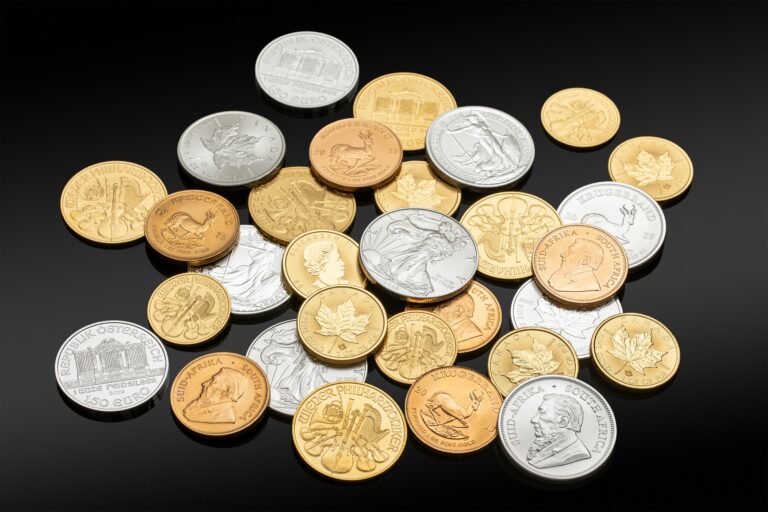
This article explores the recent historic rallies in gold and silver, providing a comprehensive guide for individuals seeking to understand and strategically integrate these precious metals into their wealth-building strategies. We delve into the underlying economic forces, investment pathways, and critical considerations for leveraging gold and silver to potentially enhance portfolio resilience and growth. This information is designed to empower prudent financial decisions for all levels of investors.
The landscape of wealth management is continuously evolving, and recent market developments have cast a brilliant spotlight on Precious Metals Investing. With gold surging past the $4,000 mark and silver hitting multi-decade highs, experiencing a historic short squeeze in London, according to a Bloomberg.com report from October 13, 2025, investor attention is firmly fixed on these tangible assets. This remarkable performance, building on eight consecutive weekly gains for gold, isn’t just a fleeting trend; it reflects deeper economic currents, including broad investor enthusiasm and a growing focus on the “debasement trade.”
For those striving to build or preserve wealth, understanding the dynamics of gold and silver is more critical than ever. These metals, often seen as safe havens in times of uncertainty, are demonstrating their potential as powerful components of a diversified portfolio. This guide will walk you through the reasons behind their recent ascent, how they can serve as a hedge against economic instability, and the practical ways you can engage in Precious Metals Investing to secure your financial future.
We’ll explore the unique characteristics of gold and silver, dissect the concept of currency debasement, and outline the various methods available for investment. From physical bullion to exchange-traded funds and mining stocks, each avenue offers distinct advantages and considerations. Our aim is to provide you with the knowledge to make informed decisions, transforming market opportunities into tangible progress on your journey from work to wealth.
Gold’s Enduring Allure: Why the Yellow Metal Continues to Shine
Gold has captivated humanity for millennia, serving as a symbol of wealth, power, and stability. Its role in finance, however, extends far beyond mere symbolism. In modern times, gold is revered as a vital component of a resilient investment portfolio, particularly during periods of economic turbulence or inflationary pressures.
A Historical Store of Value and Safe Haven
Historically, gold has been the ultimate store of value, maintaining its purchasing power across centuries, unlike many fiat currencies that have come and gone. This inherent quality makes it a crucial asset when traditional financial systems face stress. During geopolitical tensions, market downturns, or banking crises, investors often flock to gold, driving up its price as a “safe haven” asset. Its lack of reliance on any single government or institution provides a unique sense of security.
The recent surge, seeing gold surpass $4,068 an ounce, as reported by Bloomberg.com, underscores its continued relevance as a haven. In a world grappling with persistent economic uncertainties, from inflation concerns to geopolitical instabilities, gold offers a tangible alternative to paper assets, acting as a ballast against potential portfolio depreciation.
An Invaluable Hedge Against Inflation and Currency Debasement
One of gold’s most compelling attributes is its ability to act as a hedge against inflation. When the cost of living rises and the purchasing power of fiat currencies erodes, gold often performs well, preserving wealth. This is because gold cannot be printed or created at will by central banks; its supply is limited, making it resistant to the inflationary pressures that devalue paper money.
The concept of “debasement trade” becomes particularly pertinent here. As governments and central banks engage in expansive monetary policies, increasing money supply and national debt, there’s a natural concern about the long-term value of currencies. Gold, by its nature, offers protection against this debasement, retaining its intrinsic value irrespective of government fiscal decisions. For individuals keen on Precious Metals Investing, this aspect is a cornerstone of gold’s appeal.
Diverse Demand Drivers Sustaining Gold’s Value
Gold’s value isn’t solely dependent on investor sentiment. It benefits from a diverse range of demand drivers, which collectively contribute to its stability and long-term appreciation:
- Jewelry Demand: Traditionally, a significant portion of global gold demand comes from the jewelry sector, especially in emerging markets where gold jewelry holds cultural and investment significance.
- Industrial and Technological Use: Gold’s unique properties, such as high conductivity and resistance to corrosion, make it essential in electronics, dentistry, and various high-tech applications.
- Central Bank Purchases: Many central banks globally hold gold as part of their foreign exchange reserves, viewing it as a reliable asset that diversifies their holdings and signals financial strength. Significant buying by central banks has been a consistent factor in recent years.
- Investment Demand: This category includes purchases by individual investors, institutional funds, and large-scale asset managers through various instruments like physical bullion, ETFs, and mining stocks. It is this segment that often reacts most acutely to economic news and market sentiment.
The combination of these steady demand sources, coupled with its limited supply and status as a universal currency, cements gold’s position as a foundational asset in Precious Metals Investing. Its ability to perform independently of other asset classes offers valuable diversification benefits, smoothing out portfolio volatility and contributing to long-term wealth preservation and growth.
Silver’s Dual Nature: Industrial Powerhouse and Monetary Metal
While often overshadowed by its yellow counterpart, silver holds a unique and equally compelling position in the world of Precious Metals Investing. Silver is distinct due to its dual identity: it functions both as an industrial commodity and a monetary metal, influencing its price dynamics and investment profile.
Industrial Backbone and Technological Demand
Unlike gold, which primarily serves as a store of value and adornment, a substantial portion of silver’s demand comes from industrial applications. Its exceptional electrical and thermal conductivity, malleability, and ductility make it indispensable in a wide array of high-tech industries. This industrial demand is a key differentiator and a significant driver of silver prices:
- Electronics: Silver is crucial in countless electronic devices, from smartphones and computers to circuit boards and RFID chips.
- Solar Energy: It is a vital component in photovoltaic cells, making it central to the growing renewable energy sector. As the world transitions to cleaner energy, demand from this sector is projected to rise significantly.
- Automotive: Used in various electrical components and contacts within vehicles, particularly in the expanding electric vehicle market.
- Medical and Healthcare: Silver’s antimicrobial properties lead to its use in medical instruments, wound dressings, and water purification systems.
- Photography: While less dominant than in the past, traditional photography still relies on silver halides.
The robust and growing industrial demand provides a fundamental floor for silver prices, linking its performance to global economic activity and technological advancements. This makes silver an intriguing asset for those looking at Precious Metals Investing with an eye on industrial growth trends.
The “Poor Man’s Gold” with Monetary Appeal
Historically, silver has served alongside gold as a form of currency. It has often been referred to as “the poor man’s gold” dueating to its lower price point, making it more accessible to a broader range of investors seeking a tangible asset. Like gold, silver is viewed as an inflation hedge and a safe haven asset, particularly during times of economic uncertainty.
Its monetary qualities mean it can also protect purchasing power when fiat currencies face devaluation. This dual role—industrial and monetary—often leads to greater price volatility compared to gold. Silver’s market is smaller and more susceptible to price swings, which can present both higher risk and higher reward for investors.
Understanding the Short Squeeze Phenomenon in Silver
The Bloomberg.com report highlighted a “historic short squeeze” in London as a factor in silver’s recent surge to near $52 an ounce. A short squeeze occurs when a heavily shorted asset suddenly rises in price, forcing short sellers to buy back the asset to cover their positions and limit potential losses. This rapid buying creates further upward price pressure, leading to a cascading effect.
In the context of silver, a significant short interest likely existed, possibly due to institutional betting against the metal’s price or using it as a hedge. When positive news or increased buying pressure emerged, these short positions became untenable, leading to a scramble to cover. This event can create intense, albeit often short-lived, price rallies, as witnessed in the recent market action. Understanding such market mechanics is crucial for any participant in Precious Metals Investing, especially with a volatile metal like silver.
Supply and Demand Dynamics for Silver
Silver’s supply is primarily a byproduct of mining other metals like copper, lead, and zinc, making its production less responsive to direct silver price signals than gold. This inelasticity of supply, combined with increasing industrial demand and fluctuating investment interest, can lead to significant price movements. The interplay between these factors makes silver a dynamic and potentially rewarding component for those engaged in Precious Metals Investing, offering a unique blend of industrial utility and monetary hedging capabilities.
The “Debasement Trade”: Protecting Wealth in Uncertain Times
The recent rallies in gold and silver are not merely a reflection of speculative interest; they are significantly influenced by a fundamental economic phenomenon known as the “debasement trade.” This concept is crucial for understanding why tangible assets like precious metals are attracting increased attention from prudent investors aiming to preserve their wealth.
What is Currency Debasement?
Currency debasement refers to the process by which the real value or purchasing power of a currency is diminished. Historically, this occurred when governments reduced the precious metal content of coins. In modern economies, debasement happens through inflationary policies, such as:
- Excessive Money Printing: When central banks increase the money supply significantly, without a corresponding increase in goods and services, each unit of currency typically buys less.
- Expansionary Fiscal Policies: Large government spending programs, especially those financed by borrowing or printing money, can inject liquidity into the economy, contributing to inflationary pressures.
- Low or Negative Interest Rates: These policies discourage saving and encourage borrowing and spending, which can also contribute to an increase in money velocity and inflation.
The net effect is that the money you hold today may be worth less tomorrow, eroding your savings and diminishing your long-term wealth. This prospect is a major concern for individuals focused on building lasting financial security.
Precious Metals as a Hedge Against Debasement
This is where Precious Metals Investing, particularly in gold and silver, becomes a strategic imperative. Unlike fiat currencies, which can be created infinitely by government decree, gold and silver have finite supplies. They possess intrinsic value that is not dependent on the solvency of any government or the stability of any financial institution.
- Finite Supply: The scarcity of precious metals means their value cannot be arbitrarily inflated away by printing presses.
- Universal Acceptance: Gold and silver have been recognized as forms of wealth globally for millennia, transcending national borders and political systems.
- Tangible Asset: Owning physical gold or silver provides a sense of security and direct control that digital assets or paper currencies cannot.
When the purchasing power of paper money declines, the relative value of gold and silver tends to rise, offering a protective shield for an investor’s wealth. This is the essence of the “debasement trade” – positioning assets that are inherently scarce and universally valued against those susceptible to inflationary pressures and currency devaluation.
Current Economic Climate Supporting the Debasement Thesis
Several factors in the current global economic climate contribute to the heightened interest in the debasement trade and, by extension, in Precious Metals Investing:
- Persistent Inflationary Pressures: Many economies continue to grapple with elevated inflation rates, driven by supply chain disruptions, geopolitical events, and strong consumer demand.
- Rising National Debts: Governments worldwide have accumulated substantial debts, raising questions about long-term fiscal sustainability and the potential for inflation to reduce the real burden of these debts.
- Uncertain Monetary Policy: The future trajectory of interest rates and central bank balance sheets remains uncertain, adding to the volatility and unpredictability of traditional financial markets.
- Geopolitical Instability: Ongoing conflicts and international tensions can trigger uncertainty, leading investors to seek refuge in assets perceived as safe havens.
In this environment, the proactive decision to allocate a portion of one’s portfolio to gold and silver is not merely speculative. It is a strategic move to safeguard purchasing power and preserve wealth against the erosion caused by currency debasement. For those committed to their ‘Work to Wealth’ journey, understanding and implementing a debasement-resistant strategy is paramount.
Pathways to Precious Metals Investing: Your Options
For individuals new to Precious Metals Investing or looking to diversify their existing holdings, there are several distinct avenues to consider. Each method offers unique advantages and disadvantages concerning accessibility, liquidity, cost, and risk profile. Understanding these options is crucial for making an informed decision that aligns with your financial goals and risk tolerance.
1. Physical Bullion: Direct Ownership and Tangible Security
Investing in physical gold and silver bullion involves purchasing the actual metal in the form of coins, bars, or rounds. This is often the preferred choice for those who value direct ownership and the absence of counterparty risk.
- Types of Physical Bullion:
- Coins: Generic sovereign mint coins (e.g., American Eagles, Canadian Maples, South African Krugerrands) are popular due to their recognizability and typically lower premiums over spot price compared to numismatic (collectible) coins.
- Bars: Available in various sizes, from small gram bars to large kilogram or 400-ounce bars. Larger bars generally have lower premiums per ounce but require substantial capital.
- Rounds: Similar to coins but often privately minted and may not carry a face value.
- Pros:
- Direct Ownership: You physically possess the asset, eliminating counterparty risk (the risk that a third party might default on their obligation).
- Tangibility: Provides a sense of security and control, especially appealing during extreme economic uncertainty.
- Global Acceptance: Physical gold and silver are universally recognized forms of wealth.
- Cons:
- Storage and Security: Requires secure storage (home safe, safe deposit box, or professional vaulting service), which incurs costs and potential risks.
- Insurance: Protecting your physical holdings against theft or loss adds to the expense.
- Liquidity: Selling large quantities of physical bullion can sometimes be slower and less convenient than selling paper assets, potentially involving assay costs or slightly wider bid-ask spreads.
- Premiums: You often pay a premium above the spot price when buying and receive slightly less than spot when selling, covering dealer costs and profit.
2. Exchange-Traded Funds (ETFs) and Exchange-Traded Commodities (ETCs): Convenience and Liquidity
For investors seeking exposure to precious metal prices without the complexities of physical storage, ETFs and ETCs offer a highly liquid and accessible alternative. These funds typically hold physical gold or silver in secure vaults and issue shares that trade on major stock exchanges.
- How They Work: An ETF/ETC provider buys and stores large quantities of precious metals. Investors then buy shares in the fund, with each share representing a fraction of an ounce of the underlying metal.
- Pros:
- Liquidity: ETFs/ETCs can be bought and sold throughout the trading day, similar to stocks, offering high liquidity.
- Lower Entry Barrier: You can invest with smaller amounts of capital compared to purchasing significant physical bullion.
- Ease of Trading: Simple to integrate into a standard brokerage account.
- Diversification: Some funds offer exposure to a basket of precious metals, not just gold or silver.
- Cons:
- No Direct Ownership: You own shares in a fund, not the physical metal itself. This introduces a form of counterparty risk with the fund provider.
- Management Fees: ETFs/ETCs charge annual management fees, which can eat into returns over the long term.
- Tracking Error: The fund’s price may not perfectly track the spot price of the underlying metal due to fees, expenses, or market dynamics.
- Potential for Systemic Risk: In a catastrophic financial event, there could be concerns about the fund’s ability to redeem its underlying assets, although this is generally considered a low risk for reputable funds.
3. Mining Stocks: Leveraged Play with Additional Risks
Investing in the stocks of companies that mine gold, silver, or other precious metals offers a different kind of exposure. These investments can provide a leveraged play on metal prices, meaning their stock prices can move more dramatically than the price of the metals themselves.
- How They Work: You buy shares in publicly traded companies involved in the exploration, extraction, and processing of precious metals.
- Pros:
- Leverage: Mining company profits can rise significantly when metal prices increase, leading to amplified stock price gains.
- Dividends: Some established mining companies pay dividends, offering an income stream.
- Potential for Growth: Successful exploration and expansion by a mining company can create value independent of metal prices.
- Cons:
- Operational Risks: Mining companies face a range of risks, including geological surprises, labor disputes, environmental regulations, cost overruns, and operational efficiency issues.
- Geopolitical Risk: Mines are often located in politically unstable regions, exposing companies to nationalization, taxation changes, or civil unrest.
- Management Quality: The success of a mining company heavily depends on its management team’s expertise and decision-making.
- Not a Direct Hedge: While correlated, mining stocks do not always move in lockstep with metal prices, especially if the company faces specific challenges. They are equity investments with their own unique risk factors.
4. Precious Metals IRAs/Retirement Accounts: Tax-Advantaged Physical Ownership
For eligible investors, a self-directed Individual Retirement Account (IRA) allows for the holding of physical gold, silver, platinum, or palladium bullion. This combines the benefits of physical ownership with the tax advantages of a retirement account.
- How They Work: You establish a self-directed IRA with a custodian that specializes in precious metals. The custodian facilitates the purchase of approved bullion (which must meet specific purity standards) and arranges for its secure storage in an approved depository. You cannot personally store the metal.
- Pros:
- Tax Advantages: Growth within the IRA is tax-deferred (Traditional IRA) or tax-free (Roth IRA), similar to other retirement investments.
- Physical Ownership (via Custodian): Offers the security of owning physical metal without the personal storage burden.
- Diversification: Allows you to diversify your retirement portfolio beyond traditional stocks and bonds.
- Cons:
- Custodian and Storage Fees: These accounts incur fees for administration and secure storage, which can be higher than typical mutual fund or ETF fees.
- Limited Options: Only certain types of bullion (specific purity and minting) are approved for IRA inclusion.
- Complexity: Setting up and managing a self-directed precious metals IRA can be more complex than a standard brokerage account.
- No Direct Personal Access: While you own the metal, it is held by a third-party depository, meaning you do not have direct physical access to it until distribution.
Each of these pathways offers a unique approach to Precious Metals Investing. Your choice should be dictated by your investment horizon, capital availability, risk tolerance, and personal preference for direct ownership versus liquidity and convenience. A balanced strategy might even incorporate a combination of these methods to optimize exposure and manage risks effectively.
Beyond Gold and Silver: Platinum and Palladium
While gold and silver dominate the headlines in Precious Metals Investing, the Bloomberg.com report also noted strong gains in platinum and palladium. These two metals, often referred to as Platinum Group Metals (PGMs), share some characteristics with gold and silver but possess unique demand drivers and market dynamics that warrant attention for a truly diversified precious metals portfolio.
Platinum: The Industrial Luxury
Platinum is rarer than gold and is known for its incredible density, durability, and corrosion resistance. Its demand profile is a fascinating mix of industrial and luxury applications:
- Automotive Catalytic Converters: By far the largest demand segment, platinum is essential in catalytic converters for gasoline and diesel vehicles, where it helps reduce harmful emissions. Environmental regulations worldwide directly influence this demand.
- Jewelry: Platinum’s natural white luster and strength make it a prized metal for high-end jewelry.
- Industrial Uses: Its high melting point and resistance to chemical attack make it vital in petroleum refining, chemical processing, medical devices, and laboratory equipment.
- Investment: Like gold, platinum can serve as an investment metal, offering a hedge against inflation and currency debasement.
Platinum’s price can be highly volatile, influenced by the automotive industry’s health, geopolitical factors affecting mining supply (primarily from South Africa), and shifts in investor sentiment.
Palladium: The Automotive Workhorse
Palladium, even rarer than platinum, has seen a dramatic price appreciation in recent years, largely driven by its overwhelming demand from the automotive industry.
- Automotive Catalytic Converters: Palladium is the primary metal used in catalytic converters for gasoline-powered vehicles, which account for a vast majority of its demand. Tightening emission standards globally have continually fueled this demand.
- Electronics: Used in capacitors and connectors due to its excellent electrical conductivity.
- Dentistry: Employed in dental fillings and crowns.
- Investment: While a smaller investment market than gold or silver, palladium has attracted significant investor interest due to its strong industrial demand and supply deficits.
The supply of palladium is also highly concentrated, with Russia and South Africa being major producers, making its market susceptible to supply disruptions and geopolitical events. Its strong correlation to the auto industry makes it a more industrially sensitive precious metal compared to gold.
Considerations for Diversification
Including platinum and palladium in a precious metals portfolio offers further diversification, as their demand drivers are distinct from gold’s primary monetary role. However, their higher industrial reliance also exposes them to different economic cycles and risks. For investors engaged in Precious Metals Investing, understanding the unique industrial and supply-side factors affecting these metals is key to making informed strategic allocations.
Integrating Precious Metals into Your Portfolio: Strategic Allocation
The decision to engage in Precious Metals Investing is not merely about identifying a trending asset; it’s about strategically integrating these metals into a broader wealth management plan. The goal is to enhance portfolio resilience, mitigate risks, and potentially contribute to long-term growth.
Diversification Benefits: A Cornerstone of Portfolio Strength
One of the primary reasons investors turn to precious metals, especially gold and silver, is their powerful diversification benefits. Precious metals often exhibit a low or negative correlation with traditional asset classes like stocks and bonds, particularly during periods of market stress. This means that when equities or fixed-income investments are underperforming, precious metals may hold their value or even appreciate, helping to offset losses elsewhere in the portfolio.
By adding gold and silver, you are not just adding another asset; you are adding an asset that behaves differently under varying economic conditions. This uncorrelated behavior can:
- Reduce Overall Portfolio Volatility: The counter-cyclical nature of precious metals can smooth out the ups and downs of a portfolio.
- Provide Crisis Protection: In times of geopolitical turmoil, economic recession, or financial instability, precious metals tend to act as a safe haven, preserving capital when other assets falter.
- Hedge Against Inflation: As discussed, they offer a tangible defense against the erosion of purchasing power.
Recommended Allocation Percentages
There is no universally “correct” allocation percentage for precious metals, as it depends heavily on individual circumstances, risk tolerance, and investment goals. However, general guidelines often suggest a modest allocation, typically ranging from 5% to 15% of a total investment portfolio.
- Conservative Approach (5-10%): Suitable for investors primarily focused on wealth preservation and modest diversification benefits. This allocation aims to provide a reliable hedge without over-exposing the portfolio to the volatility of commodities.
- Moderate Approach (10-15%): For those seeking stronger diversification and a more significant hedge against inflation and systemic risk. This level suggests a more active belief in the protective qualities of precious metals.
- Aggressive Approach (15%+): Some investors, particularly those with a strong conviction in the “debasement trade” or specific market conditions, might opt for higher allocations. However, this comes with increased exposure to commodity price volatility.
It’s crucial to view these percentages as flexible guidelines. Your ideal allocation for Precious Metals Investing should be determined in consultation with a qualified financial advisor, considering your unique financial situation and long-term objectives.
Long-Term Hedge vs. Short-Term Speculation
For most investors on a ‘Work to Wealth’ journey, precious metals should be considered a long-term strategic holding aimed at wealth preservation and portfolio resilience, rather than a short-term speculative play. While short-term trading opportunities exist, especially with volatile metals like silver, the core benefit of gold and silver lies in their ability to act as a hedge over extended periods, protecting against systemic risks and currency debasement.
Portfolio Rebalancing
Once you’ve allocated a portion of your portfolio to precious metals, it’s important to periodically rebalance. If your precious metals allocation grows significantly due to price appreciation, you might trim some of your holdings to bring your portfolio back to your target allocation. Conversely, if their value declines, you might consider buying more to maintain your desired exposure. Rebalancing helps manage risk and ensures your portfolio remains aligned with your long-term strategy for Precious Metals Investing.
Navigating the Nuances: Risks and Considerations in Precious Metals Investing
While Precious Metals Investing offers compelling benefits, it’s imperative to approach it with a clear understanding of the associated risks and critical considerations. No investment is without its downsides, and gold and silver are no exception. Informed decision-making requires acknowledging these factors to ensure a balanced and prudent approach.
Volatility: A Double-Edged Sword
Precious metals, particularly silver, can be highly volatile. While this volatility can lead to significant gains during rallies, it also exposes investors to substantial price drops. Factors like global economic data, interest rate decisions, geopolitical events, and even investor sentiment can cause rapid and unpredictable price swings. Relying solely on short-term price movements can be a frustrating and potentially costly endeavor. A long-term perspective is generally recommended to weather these fluctuations.
Impact of Interest Rates and U.S. Dollar Strength
The price of precious metals often has an inverse relationship with real (inflation-adjusted) interest rates and the strength of the U.S. dollar:
- Interest Rates: When real interest rates rise, the opportunity cost of holding non-yielding assets like gold and silver increases, as investors can earn more from bonds or savings. This can put downward pressure on precious metal prices. Conversely, low or negative real rates tend to support higher precious metal prices.
- U.S. Dollar: Since precious metals are typically priced in U.S. dollars, a stronger dollar makes them more expensive for investors holding other currencies, potentially dampening demand. A weaker dollar, however, makes them cheaper and more attractive, often leading to price appreciation.
Monitoring these macroeconomic indicators is essential for understanding the broader context of Precious Metals Investing.
Storage and Insurance for Physical Assets
For those opting for physical bullion, the practicalities of storage and insurance are crucial. Storing significant quantities of gold or silver at home carries inherent risks and may not be adequately covered by standard homeowner’s insurance. Professional vaulting services offer secure storage, but they come with annual fees that can eat into returns, particularly for smaller holdings. The cost-benefit analysis of these services versus the peace of mind they offer must be carefully considered.
Tax Implications
The tax treatment of precious metals can be more complex than for other investments. In many jurisdictions, physical gold and silver bullion held for investment purposes are classified as “collectibles” and may be subject to higher capital gains tax rates than traditional long-term stock or bond investments. Furthermore, sales of certain types of bullion might require specific reporting. It is vital to consult with a tax professional to understand the implications of Precious Metals Investing in your specific jurisdiction.
Avoiding Scams and Reputable Dealers
The allure of gold and silver can attract unscrupulous operators. It’s paramount to deal only with highly reputable and well-established dealers for physical bullion purchases. Research their credentials, check reviews, and ensure transparency in pricing and delivery. Avoid high-pressure sales tactics or offers that seem too good to be true. For ETFs or mining stocks, stick to recognized and regulated exchanges and reputable fund providers.
Opportunity Cost
Every investment decision involves an opportunity cost—the potential returns foregone by choosing one investment over another. While precious metals offer unique benefits, they typically do not provide regular income (like dividends from stocks or interest from bonds). During periods when other asset classes are outperforming, the capital allocated to precious metals might not generate comparable returns. This is why a balanced allocation, rather than an all-in approach, is often recommended for Precious Metals Investing.
By carefully considering these risks and practicalities, investors can approach Precious Metals Investing with a realistic outlook, mitigating potential pitfalls and positioning themselves for a more secure and diversified financial future.
Conclusion: A Golden Opportunity for Prudent Wealth Management
The recent historic rallies in gold and silver, as highlighted by Bloomberg.com’s report of gold topping $4,000 and silver reaching multi-decade highs, signal a renewed and robust interest in Precious Metals Investing. This surge is not merely a market anomaly but a reflection of deep-seated economic concerns, including inflationary pressures and the ongoing “debasement trade” of fiat currencies.
For individuals on the ‘Work to Wealth’ journey, understanding the unique role these tangible assets play in a diversified portfolio is paramount. Gold, with its unwavering status as a safe haven and inflation hedge, offers a bedrock of stability. Silver, with its dual identity as an industrial powerhouse and monetary metal, provides both growth potential and protective qualities, albeit with greater volatility.
By exploring the various pathways to investment—from physical bullion to ETFs, mining stocks, and precious metals IRAs—investors can choose the method that best aligns with their risk tolerance and financial objectives. Strategic allocation, prudent risk management, and a long-term perspective are crucial for harnessing the full potential of these metals.
In an increasingly uncertain economic landscape, the strategic inclusion of precious metals can act as a vital safeguard, protecting purchasing power and fortifying wealth against the unforeseen. This isn’t just about chasing returns; it’s about building a resilient financial foundation designed to withstand economic storms and contribute meaningfully to your journey towards lasting financial independence.
Frequently Asked Questions
Why have my traditional investments felt less secure lately, and how do precious metals help?
Many traditional investments like stocks and bonds can feel less secure during periods of high inflation, economic uncertainty, or geopolitical instability. This is often because fiat currencies, in which these assets are denominated, may be losing purchasing power due to factors like excessive money printing (the “debasement trade”). Precious metals like gold and silver, by contrast, are tangible assets with finite supplies. They historically serve as a “safe haven” and an inflation hedge, meaning they tend to retain their value or even appreciate when other assets falter, thereby offering a crucial layer of portfolio protection and stability.
How can I start investing in precious metals without huge sums of money?
You don’t need a large sum to begin Precious Metals Investing. One of the most accessible ways is through Exchange-Traded Funds (ETFs) or Exchange-Traded Commodities (ETCs) that track gold or silver prices. These can be bought and sold like stocks through a regular brokerage account, allowing you to invest small amounts frequently. While physical bullion often requires a higher initial investment for bars or larger coins, you can also start with smaller, fractional coins. Always choose reputable dealers for any physical purchases to ensure authenticity and fair pricing.
Is gold’s record price too high, or is it still a good buy for my wealth strategy?
While gold’s recent surge to over $4,000 an ounce might seem daunting, whether it’s “too high” depends on your individual investment horizon and reasons for buying. For many on the ‘Work to Wealth’ journey, gold is considered a long-term strategic asset for wealth preservation, not just short-term gains. Its value as an inflation hedge and a safe haven against currency debasement remains strong, especially in uncertain economic climates. Instead of timing the market, consider a strategy of dollar-cost averaging into gold over time to build a position aligned with your long-term diversification and wealth protection goals.
What role do silver and gold play in protecting wealth from inflation and currency debasement?
Gold and silver are powerful tools for protecting wealth from inflation and currency debasement because they are finite, tangible assets, unlike fiat currencies that can be printed endlessly. When central banks increase the money supply, the purchasing power of paper money tends to decrease. Gold and silver, with their limited supply and intrinsic value, typically maintain or increase their purchasing power in such environments. They act as a hedge, providing a store of value that is independent of government policy, thereby preserving wealth during periods when traditional currencies are losing value.
How do I choose between physical gold and silver versus investment funds like ETFs for my portfolio?
The choice between physical precious metals and investment funds like ETFs for Precious Metals Investing depends on your priorities. Physical bullion (coins, bars) offers direct ownership and eliminates counterparty risk, which is highly valued during extreme crises. However, it incurs costs for secure storage, insurance, and can be less liquid. ETFs, on the other hand, provide high liquidity, lower entry barriers, and ease of trading through a brokerage account, but you own shares in a fund, not the physical metal itself, introducing a small degree of counterparty risk. Consider your comfort with storage, your need for immediate liquidity, and your ultimate goal—direct control versus convenient market exposure—when making your decision.