

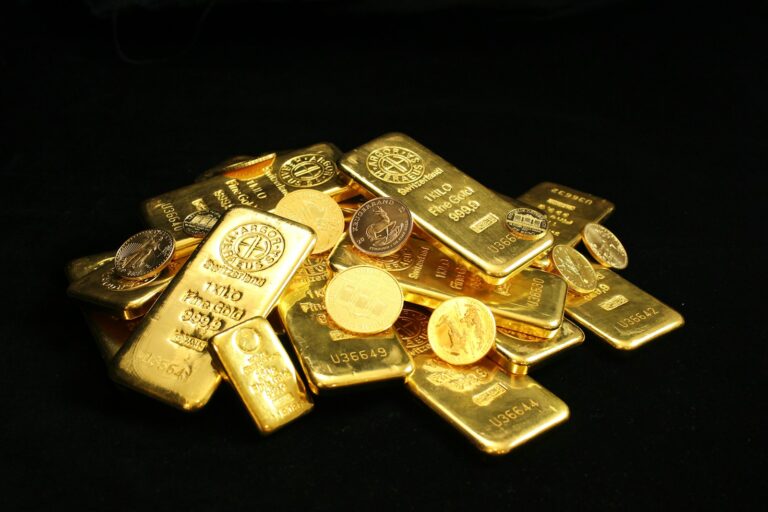
Navigate turbulent economic waters with confidence. This comprehensive guide explores how intelligent investing in gold and other commodities as inflation hedges can safeguard your wealth and purchasing power, offering robust protection against currency erosion for long-term financial stability.
The specter of inflation looms large in the minds of many investors, threatening to erode the purchasing power of hard-earned savings and diligently accumulated wealth. For decades, traditional portfolios built on stocks and bonds have served investors well. However, in periods of significant inflation, their performance can falter, leaving many feeling vulnerable.
This challenge has led a growing number of individuals and institutions to re-evaluate their asset allocation strategies. One time-tested approach to mitigate the risks associated with rising prices is a strategic focus on investing in gold and other commodities as inflation hedges.
These tangible assets, often referred to as ‘hard assets,’ possess intrinsic value that tends to appreciate during inflationary environments, acting as a counterbalance to the depreciation of fiat currencies. Understanding their role, benefits, and the various ways to incorporate them into your financial plan is crucial for anyone looking to fortify their financial future.
Understanding Inflation and Its Pervasive Impact
Before delving into the specifics of investing in gold and other commodities as inflation hedges, it’s essential to grasp what inflation truly is and why it’s a concern. Inflation refers to the rate at which the general level of prices for goods and services is rising, and consequently, the purchasing power of currency is falling.
Small, predictable inflation is often seen as a sign of a healthy, growing economy. However, when inflation accelerates unexpectedly or remains stubbornly high, it can have severe repercussions for personal finances and investment portfolios.
Consider the impact: the same amount of money you hold today will buy less tomorrow. Your savings in a bank account, unless earning interest rates higher than inflation, are effectively losing value. Fixed-income investments, like bonds, become less attractive as the fixed payments are worth less in real terms.
Even stock market returns can be undermined, as corporate profits may not keep pace with rising costs or consumer demand might be dampened by higher prices. This erosion of purchasing power is the primary frustration investors seek to avoid, making the search for effective hedges paramount.
Historical Context: Inflation’s Recurrence
History is replete with examples of inflationary periods, from the oil shocks of the 1970s to more recent supply chain disruptions and surges in demand. Each instance serves as a stark reminder that inflation is not a relic of the past but a recurring economic phenomenon that demands preparedness.
During these times, assets that are perceived to hold their real value, such as precious metals and raw materials, have historically performed well, attracting capital seeking refuge from depreciating currencies. This historical precedent is a cornerstone argument for investing in gold and other commodities as inflation hedges.
The Enduring Appeal of Gold as an Inflation Hedge
Among the various hard assets, gold holds a unique and often celebrated position as a premier inflation hedge. Its allure spans millennia, rooted in its scarcity, durability, and universal acceptance as a store of value.
For centuries, gold has been revered for its beauty and utility, but its role in finance is what truly sets it apart. Unlike fiat currencies, gold cannot be printed or created at will by central banks, giving it an inherent scarcity that protects against value erosion.
When confidence in traditional currencies wanes, or when economic uncertainty is high, investors frequently flock to gold. This flight to safety often pushes gold prices higher, precisely when other assets might be struggling.
How Gold Functions as a Safeguard Against Rising Prices
The mechanism by which gold acts as an inflation hedge is multifaceted. Firstly, it often exhibits an inverse relationship with the value of the national currency. As the currency depreciates due to inflation, it takes more units of that currency to buy an ounce of gold, thus its nominal price rises.
Secondly, gold is considered a “real asset,” meaning its value is not derived from promises of future cash flows or the solvency of an issuing entity, but from its physical properties and limited supply. This makes it a tangible store of wealth that is less susceptible to the financial machinations that can affect paper assets.
Thirdly, gold serves as a safe haven asset during periods of economic and geopolitical turmoil. Inflation often coincides with such instability, further reinforcing gold’s appeal. When investor anxiety is high, the demand for gold typically increases, providing a reliable bid for its price.
Practical Approaches to Gold Investment
There are several avenues for investing in gold, each with its own set of advantages and considerations for those looking to hedge against inflation:
- Physical Gold: This includes gold bars, coins, and bullion. Direct ownership provides the ultimate sense of security and control. However, it necessitates considerations for secure storage (e.g., a safe deposit box or specialized vault services) and insurance, which can add to the overall cost.
- Gold Exchange-Traded Funds (ETFs): These popular instruments track the price of gold and are traded on stock exchanges. They offer a convenient way to gain exposure to gold without the complexities of physical storage. However, investors don’t own the physical metal directly, relying on the fund’s holdings and management.
- Gold Mining Stocks: Investing in companies that mine gold can offer leverage to gold price movements. When gold prices rise, mining company profits can increase significantly. However, these investments come with additional risks related to company-specific factors like operational efficiency, management, and geopolitical risks in mining regions.
- Gold Futures Contracts: These are agreements to buy or sell a specific quantity of gold at a predetermined price on a future date. Futures are highly leveraged and volatile, typically suited for experienced investors with a high risk tolerance.
Each method offers a different risk/reward profile, making it important to choose the approach that best aligns with individual financial goals and comfort levels with risk.
Beyond Gold: Diversifying with Other Commodities as Inflation Hedges
While gold is a prominent inflation hedge, a comprehensive strategy for investing in gold and other commodities as inflation hedges necessitates looking at a broader spectrum of raw materials. The commodity market is vast, encompassing energy, agriculture, and industrial metals, each reacting differently to economic cycles and inflationary pressures.
Diversifying across various commodity types can enhance the effectiveness of your hedge, as different commodities may perform better under specific inflationary drivers. For instance, energy prices might surge due to supply shocks, while agricultural prices could climb due to adverse weather conditions.
Energy Commodities: Fueling Inflationary Pressures
Energy commodities, such as crude oil, natural gas, and refined products, are foundational to the global economy. Their prices are highly sensitive to supply and demand dynamics, geopolitical events, and economic growth. When energy costs rise, they impact nearly every sector, from transportation to manufacturing, contributing significantly to overall inflation.
- Crude Oil: Often seen as a bellwether for the global economy, oil prices can spike due to supply disruptions, increased demand from emerging markets, or political instability in oil-producing regions. Its pervasive use makes it a direct contributor to broad inflation.
- Natural Gas: Critical for heating, electricity generation, and industrial processes, natural gas prices are influenced by weather patterns, storage levels, and infrastructure developments. Surges in natural gas prices can lead to higher utility bills and production costs.
Investing in these commodities as inflation hedges can be achieved through specific ETFs, futures contracts, or by investing in companies involved in their extraction, refining, or distribution. However, energy commodities are notoriously volatile, requiring careful monitoring.
Agricultural Commodities: Essential for Life, Prone to Volatility
Agricultural commodities encompass a wide range of products including grains (wheat, corn, soybeans), softs (sugar, coffee, cocoa), and livestock. Their prices are influenced by factors such as weather, crop yields, disease outbreaks, government policies, and global demand.
- Grains: Staple foods for billions, grain prices can surge due to droughts, floods, or geopolitical conflicts impacting major producing regions. Higher grain prices directly translate to increased food costs, a significant component of inflation.
- Livestock: Prices for cattle and hogs are affected by feed costs, consumer demand for meat, and disease. These also contribute to rising food prices.
The inherent unpredictability of agriculture makes these commodities particularly susceptible to price swings. Investing in these commodities as inflation hedges can provide a direct link to rising food costs, but also comes with the risks of extreme volatility dueased on environmental and logistical factors.
Industrial Metals: Reflecting Economic Activity and Demand
Industrial metals, including copper, aluminum, nickel, and zinc, are crucial for manufacturing, construction, and infrastructure development. Their prices often correlate with global economic activity: strong growth typically means higher demand and prices, while slowdowns can lead to price declines.
- Copper: Often referred to as “Dr. Copper” because of its perceived ability to predict economic health, its high demand in construction, electronics, and electric vehicles makes it sensitive to economic expansion.
- Aluminum: Widely used in packaging, transportation, and construction, its price is influenced by energy costs (due to its energy-intensive production) and global manufacturing output.
- Platinum and Palladium: While also precious metals, their significant industrial uses (e.g., catalytic converters) place them within the industrial category. Their prices are heavily influenced by automotive production and emissions regulations.
Investing in industrial metals as inflation hedges can be a way to benefit from global economic growth and the associated demand-pull inflation, though they are also subject to cyclical downturns.
The Mechanisms of Commodity Price Appreciation During Inflation
The effectiveness of investing in gold and other commodities as inflation hedges stems from several key economic principles. Unlike financial assets, which represent claims on future earnings or cash flows, commodities are physical goods whose value is often tied to their supply, demand, and the cost of production.
When inflation takes hold, it means the cost of producing goods and services is generally increasing. This directly impacts the cost of extracting, processing, and transporting raw materials. Higher labor costs, energy prices, and equipment expenses feed directly into the price of commodities, driving them up.
Furthermore, strong economic growth, which often accompanies or precedes inflationary periods, leads to increased demand for raw materials across various industries. More construction requires more copper and timber; more manufacturing needs more oil and steel; a growing population needs more food.
In essence, commodities offer a tangible link to the real economy. As the cost of living and doing business rises, the value of the essential inputs to that economy—commodities—tends to rise in tandem, protecting real purchasing power.
Supply-Side Shocks and Geopolitical Factors
Many inflationary episodes are triggered or exacerbated by supply-side shocks. These can include natural disasters affecting agricultural output, geopolitical conflicts disrupting energy supplies, or trade disputes impacting the flow of industrial metals. In such scenarios, the scarcity created by these events directly pushes commodity prices higher, irrespective of broader monetary policy.
Because of their susceptibility to these unpredictable events, commodities can sometimes act as a leading indicator or an early beneficiary of inflationary pressures, making them particularly potent tools for investing in gold and other commodities as inflation hedges.
Crafting a Strategic Commodity Portfolio for Wealth Preservation
Successfully investing in gold and other commodities as inflation hedges requires more than simply buying a few assets; it demands a thoughtful strategy for portfolio construction and management. Asset allocation, risk management, and diversification within the commodity space are critical components.
Asset Allocation: How Much to Allocate?
Determining the right allocation to commodities is a personalized decision. It depends on an investor’s overall financial goals, risk tolerance, existing portfolio composition, and outlook on inflation. Financial advisors often suggest a modest allocation, perhaps between 5% and 15% of a total portfolio, for commodities.
This percentage is typically sufficient to provide a meaningful hedge against inflation without exposing the entire portfolio to the inherent volatility of commodity markets. For those with a higher conviction in sustained inflation or a greater risk appetite, a slightly larger allocation might be considered.
Diversification Within Commodities
Just as you diversify across different asset classes, it’s wise to diversify within the commodity sector itself. Relying solely on gold, or a single energy commodity, exposes your portfolio to specific market risks. A diversified commodity basket, including exposure to precious metals, energy, agriculture, and industrial metals, can help smooth returns and capture a broader range of inflationary benefits.
For example, while oil prices might surge due to geopolitical tensions, agricultural prices might remain stable or even decline if weather conditions are favorable. A diversified approach helps cushion the impact of underperformance in any single commodity.
Risk Management and Volatility
Commodities are known for their price volatility. Several factors contribute to this, including:
- Supply-Demand Imbalances: Small changes in supply or demand can lead to significant price swings, as many commodities have inelastic supply in the short term.
- Speculation: The commodity markets are often targets for speculative trading, which can amplify price movements.
- Geopolitical Events: Wars, trade disputes, and political instability can dramatically impact commodity flows and prices.
- Weather: Particularly for agricultural commodities, unpredictable weather patterns are a constant source of risk.
Because of this volatility, a long-term perspective is often beneficial when investing in gold and other commodities as inflation hedges. Attempting to time commodity markets precisely can be challenging and often leads to suboptimal results. Instead, focus on a strategic, long-term allocation and regularly rebalance your portfolio.
Investment Vehicles for Commodity Exposure
Gaining exposure to the broad commodity market or specific commodities has become increasingly accessible to individual investors. While direct ownership is possible for some (like physical gold), various financial instruments offer more convenient and liquid ways to participate in investing in gold and other commodities as inflation hedges.
Exchange-Traded Funds (ETFs) and Exchange-Traded Notes (ETNs)
ETFs and ETNs are among the most popular ways for individual investors to gain commodity exposure. They trade like stocks on major exchanges and can track the price of a single commodity (e.g., a gold ETF) or a basket of commodities (e.g., a broad commodity ETF).
- Commodity ETFs: These funds typically hold futures contracts for various commodities, or in the case of some precious metal ETFs, they hold the physical commodity itself. They offer diversification, liquidity, and a relatively low expense ratio.
- Commodity ETNs: Similar to ETFs, ETNs are debt instruments issued by a financial institution. They promise to pay a return linked to the performance of an underlying commodity index. While they offer similar benefits to ETFs, they carry credit risk of the issuing institution, meaning if the issuer defaults, investors could lose money.
When selecting commodity ETFs or ETNs, it’s crucial to understand their underlying methodology, as some may track spot prices, while others use futures contracts, which can introduce complexities like contango and backwardation (differences between spot and futures prices that can affect returns).
Futures Contracts
As mentioned earlier, futures contracts are agreements to buy or sell a commodity at a specific price on a future date. They are highly leveraged instruments and primarily used by institutional investors or experienced individual traders. While they offer direct exposure to commodity prices, the high leverage means they can lead to substantial gains or losses quickly, making them unsuitable for most long-term retail investors focused on hedging.
Managed Futures Funds
These are professionally managed funds that invest in a diversified portfolio of commodity futures contracts. They are typically offered through hedge funds or mutual funds. While they provide professional management and diversification, they often come with higher fees and may have minimum investment requirements. They can be an option for investors seeking commodity exposure without directly managing futures contracts.
Direct Ownership
For certain commodities, particularly precious metals like gold and silver, direct physical ownership is a viable option. This involves purchasing coins or bars and storing them securely. While it eliminates counterparty risk, it introduces challenges related to storage costs, insurance, and liquidity when selling. For large-scale investing in gold and other commodities as inflation hedges, direct ownership can be cumbersome.
Stocks of Commodity-Related Companies
Investing in the stocks of companies that produce, process, or transport commodities (e.g., mining companies, oil and gas producers, agricultural firms) can offer indirect exposure. While these stocks often correlate with commodity prices, their performance is also influenced by company-specific factors like management quality, debt levels, and operational efficiency. They are not a pure play on commodity prices but can be part of a broader strategy.
Risks and Critical Considerations
While investing in gold and other commodities as inflation hedges offers compelling benefits, it’s crucial to be aware of the associated risks and complexities. A balanced understanding helps in making informed decisions and managing expectations.
Price Volatility
As discussed, commodity markets are inherently volatile. Prices can swing wildly due to supply shocks, demand shifts, geopolitical events, and speculative trading. This volatility means that while commodities can offer significant upside during inflationary periods, they can also experience sharp declines, leading to capital losses.
Storage and Insurance Costs for Physical Assets
For investors choosing physical commodities, especially precious metals, the costs associated with secure storage (e.g., bank safe deposit boxes, specialized vaults) and insurance can diminish returns. These ongoing expenses must be factored into the overall investment strategy.
Contango and Backwardation in Futures Markets
For investors using futures-based ETFs or ETNs, the concepts of contango and backwardation are important. Contango occurs when future prices are higher than the spot price, which can erode returns for long-term holders of futures contracts as they repeatedly “roll over” their positions to later-dated contracts at a higher price. Backwardation, where future prices are lower than spot, can actually enhance returns. Understanding how a commodity fund manages its futures positions is vital.
Geopolitical Risks
The supply chains for many commodities are global and often concentrated in politically unstable regions. Geopolitical tensions, trade wars, sanctions, or resource nationalization can significantly disrupt supply, leading to price spikes or prolonged periods of uncertainty. These risks are difficult to predict and can severely impact commodity investments.
Lack of Income Generation
Unlike stocks that may pay dividends or bonds that provide interest, most commodities (with the exception of some commodity-related stocks) do not generate income. Their return comes solely from price appreciation. This can be a disadvantage for income-focused investors or in periods when commodity prices are stagnant.
Environmental and Ethical Concerns
Some investors may have ethical or environmental concerns regarding certain commodities, such as fossil fuels or metals mined using controversial practices. Researching the source and production methods of commodities or the policies of related companies can be part of a responsible investment approach.
Integrating Commodities into a Holistic Portfolio
The goal of investing in gold and other commodities as inflation hedges is typically not to replace other asset classes entirely, but rather to complement them. A well-diversified portfolio aims to balance growth potential, income generation, and risk mitigation across various economic environments.
Complementing Stocks and Bonds
Commodities often have a low or even negative correlation with traditional assets like stocks and bonds, particularly during inflationary periods. This means that when stocks and bonds are underperforming due to rising prices, commodities may be performing well, thus reducing overall portfolio volatility and enhancing risk-adjusted returns.
For example, during the high inflation of the 1970s, stocks and bonds struggled, but gold and other commodities saw significant gains, helping to preserve real wealth for those who were properly diversified.
Long-Term vs. Short-Term Strategies
For most investors, a long-term strategic allocation to commodities is more appropriate than short-term trading. While tactical allocations can be made based on economic forecasts, a core holding in commodities serves as a constant protective layer against unexpected inflation. Regular rebalancing is key to maintaining the desired allocation.
If your commodity allocation grows significantly due to price appreciation, you might trim some positions to bring your portfolio back to its target percentages. Conversely, if commodity prices decline, you might add to your holdings to maintain your strategic allocation.
Expert Perspectives and Historical Insights
Throughout financial history, numerous strategists and economists have advocated for hard assets during times of monetary uncertainty. One prominent view is that during periods of excessive money supply growth or government spending, which often precede or accompany inflation, assets with intrinsic value—not easily diluted—become indispensable.
“In an environment where central banks are expanding their balance sheets and governments are running large deficits, the appeal of assets like gold and other commodities as tangible stores of wealth becomes undeniable. They offer a counterbalance to the erosion of purchasing power inherent in fiat currency systems.” Financial Strategist
Reviewing historical episodes confirms this perspective. The 1970s, a decade marked by stagflation (high inflation and stagnant economic growth), saw gold prices soar from around $35 per ounce at the beginning of the decade to over $800 by 1980. Other commodities, particularly oil, also experienced dramatic price increases, profoundly impacting the global economy.
Even in more recent times, during periods of heightened inflation or currency debasement concerns, the demand for hard assets has surged. This consistent historical performance reinforces the argument for investing in gold and other commodities as inflation hedges as a prudent strategy for long-term wealth preservation.
Practical Steps for the Diligent Investor
For those ready to incorporate investing in gold and other commodities as inflation hedges into their financial plan, a systematic approach can help ensure success and mitigate potential pitfalls.
1. Assess Your Financial Landscape
Begin by understanding your current financial situation, risk tolerance, and investment horizon. Are you saving for retirement decades away, or is your goal to protect capital in the next five years? Your answers will influence the type and extent of commodity exposure suitable for you.
2. Educate Yourself Thoroughly
Dive deeper into the specific commodities you are considering. Research their supply-demand fundamentals, geopolitical sensitivities, and historical price movements. Understand the various investment vehicles available and their associated costs and risks. For example, the nuances of an agriculture ETF differ significantly from owning physical gold.
3. Start Small and Scale Up
You don’t need to commit a large portion of your portfolio immediately. Begin with a modest allocation to gain experience and observe how these assets behave within your overall portfolio. As your understanding and comfort grow, you can gradually increase your exposure if it aligns with your strategy.
4. Stay Informed on Economic Indicators
Keep a close eye on inflation reports, interest rate decisions from central banks, global growth forecasts, and geopolitical developments. These factors can significantly impact commodity markets. Reputable financial news sources and economic reports are invaluable resources.
5. Consult with a Financial Advisor
For complex financial planning, especially when integrating new asset classes like commodities, seeking advice from a qualified financial advisor can be highly beneficial. They can help you tailor a strategy that fits your unique circumstances, ensuring your commodity investments align with your broader financial goals and risk profile.
By taking these steps, investors can confidently approach investing in gold and other commodities as inflation hedges, transforming potential financial frustration into a robust strategy for long-term wealth preservation and growth.
In conclusion, the decision to incorporate commodities into an investment portfolio is a strategic move, particularly in an economic climate where inflation remains a persistent threat. While no investment is without risk, the historical resilience and distinct characteristics of gold and a diversified basket of other raw materials offer a compelling argument for their inclusion as powerful tools for safeguarding purchasing power.
By understanding their mechanisms, choosing appropriate investment vehicles, and diligently managing risks, investors can build a more resilient portfolio capable of navigating the challenges of rising prices and contributing to the enduring growth of their wealth.
Frequently Asked Questions
Why is my traditional portfolio struggling with rising prices?
Traditional portfolios, often heavily weighted in stocks and bonds, can struggle during inflationary periods because their value or returns are eroded by the decreasing purchasing power of currency. Bonds, with fixed income payments, lose real value, and company earnings (which drive stock prices) may not keep pace with rising costs. Investing in gold and other commodities as inflation hedges can offer a counter-balance to this decline, as their value often appreciates when currency depreciates.
Can gold alone sufficiently protect my entire savings from inflation?
While gold is a powerful inflation hedge and a significant component of a protective strategy, relying solely on gold to protect an entire savings portfolio may not be the most diversified approach. Commodity markets are volatile, and different commodities perform under different economic conditions. A broader strategy involving investing in gold and other commodities as inflation hedges, such as energy, agriculture, and industrial metals, along with other defensive assets, often provides more comprehensive protection and risk diversification.
What are the best types of commodities for a beginner investor looking for an inflation hedge?
For beginner investors, starting with easily accessible and relatively liquid options is often recommended. Gold, through physically backed Exchange-Traded Funds (ETFs), is an excellent starting point due to its historical role and ease of investment. Broad-based commodity ETFs or ETNs that invest in a diversified basket of commodities (energy, metals, agriculture) can also be suitable, offering diversification without needing to select individual commodities. This approach allows participation in investing in gold and other commodities as inflation hedges with less complexity.
How much of my portfolio should I allocate to gold and other commodities to manage inflation concerns?
The optimal allocation to investing in gold and other commodities as inflation hedges varies based on individual risk tolerance, investment goals, and current market conditions. A common recommendation from financial experts is often between 5% to 15% of a total portfolio. This percentage is typically enough to provide a meaningful hedge against inflation without exposing the portfolio to excessive volatility. It’s crucial to consult with a financial advisor to determine the allocation that best suits your specific circumstances.
What are the main risks associated with using commodities as inflation hedges?
While investing in gold and other commodities as inflation hedges offers benefits, it comes with risks. The primary concern is price volatility, as commodity prices can experience significant and rapid fluctuations due to supply shocks, demand shifts, and geopolitical events. Other risks include storage and insurance costs for physical assets, the complexities of futures markets (contango/backwardation affecting returns for ETFs), and the fact that commodities generally don’t generate income like stocks (dividends) or bonds (interest).