

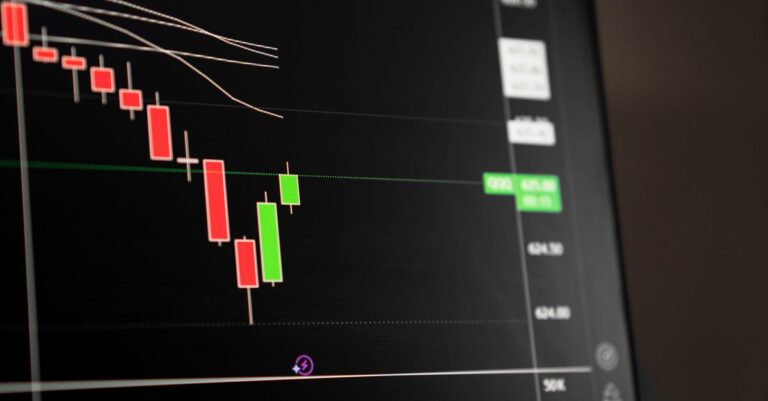
Navigate market volatility confidently. Discover practical strategies to protect your investments and build long-term wealth, even when the financial landscape shifts.
Understanding Market Volatility’s Impact on Your Wealth
The financial markets operate in cycles, and periods of rapid decline or sharp fluctuations are an inevitable part of the journey. Recently, we’ve seen headlines detailing significant drops in certain sectors, with some major technology stocks experiencing notable sell-offs. These events often trigger concern among investors, highlighting the ever-present reality of market volatility.
For many, witnessing a decline in portfolio value can be unsettling, prompting questions about the safety of their hard-earned capital. The instinct to react impulsively, perhaps by selling off assets, is a common trap. However, understanding the nature of market volatility and having a predefined plan is crucial for safeguarding your financial future.
This article will delve into practical approaches you can adopt to manage your portfolio during turbulent times, transforming potential stress into strategic advantage. We’ll cover key considerations from risk assessment to long-term planning, ensuring your wealth-building journey remains resilient.
Building a Robust Foundation: Your Emergency Fund and Debt Strategy
Before even considering investment adjustments, the first line of defense against market volatility is a strong personal finance foundation. This means prioritizing an adequate emergency fund. A readily accessible cash reserve, typically covering three to six months of essential living expenses, prevents you from being forced to sell investments at a loss to cover unexpected costs during a downturn.
Concurrently, addressing high-interest debt is paramount. Debts like credit card balances or personal loans can become a heavy burden when income streams are uncertain or investment returns are negative. Reducing or eliminating these obligations frees up cash flow and significantly lowers your overall financial risk, offering more flexibility when markets are unpredictable.
Consider dedicating any extra funds, especially during periods of market uncertainty, to debt reduction before making new investments. This strategic move strengthens your financial core, allowing you to weather economic storms with greater stability and less stress.
Diversification: Your Unsung Hero Against Market Shocks
One of the most effective strategies to mitigate the impact of market volatility is robust diversification. Spreading your investments across different asset classes, industries, geographies, and company sizes helps cushion your portfolio against concentrated losses. When one sector or asset class experiences a downturn, others might perform better or remain stable, balancing the overall impact.
For instance, an overreliance on growth stocks, particularly in the technology sector, can expose your portfolio to significant swings during a tech-led sell-off. A well-diversified portfolio might include a mix of equities (large-cap, small-cap, international), fixed-income investments (bonds), real estate, and potentially commodities. This balance helps reduce specific company or industry risk.
Regularly reviewing your asset allocation ensures it aligns with your risk tolerance and financial goals. Rebalancing your portfolio periodically, by selling some assets that have performed well and buying those that have lagged, helps maintain your desired diversification and can even be a strategic way to “buy low” during market dips.
The best defense against market volatility isn’t panic, but a well-thought-out, diversified investment plan executed with discipline.
Dollar-Cost Averaging: Turning Volatility into an Opportunity
Dollar-cost averaging is a powerful discipline, especially effective during periods of market volatility. This strategy involves investing a fixed amount of money at regular intervals, regardless of market fluctuations. When prices are high, your fixed investment buys fewer shares; when prices are low, it buys more shares.
This approach removes the emotional element of trying to “time the market,” which is notoriously difficult even for seasoned professionals. Over time, dollar-cost averaging helps reduce your average cost per share, as you naturally buy more when the market dips and less when it rises. It transforms downturns from sources of fear into opportunities to acquire more assets at a lower price point.
Maintaining consistent contributions to your investment accounts, whether through an employer-sponsored retirement plan or a personal brokerage account, ensures you benefit from this strategy. It’s a testament to the idea that consistent effort, rather than perfect timing, often leads to superior long-term results.
Assessing and Adjusting Your Risk Tolerance
Your personal risk tolerance is a critical factor in how you navigate market volatility. It’s important to honestly assess how much fluctuation you can emotionally and financially withstand without making rash decisions. Younger investors with longer time horizons typically have a higher capacity for risk, as they have more time to recover from downturns.
As you approach major financial goals, such as retirement, it’s often prudent to gradually shift your portfolio towards more conservative assets. This de-risking process helps protect your accumulated wealth from significant market corrections just when you need the funds. However, de-risking too much too soon can also lead to missed growth opportunities.
Periodically review your risk profile, especially after major life events or significant market movements. A trusted financial advisor can help you align your portfolio’s risk level with your current life stage and objectives, ensuring your investment strategy remains appropriate and comfortable.
Focusing on Long-Term Goals and Staying Disciplined
One of the most profound lessons from navigating multiple cycles of market volatility is the importance of a long-term perspective. Short-term market movements, while dramatic, rarely dictate the outcome of a well-planned, multi-decade investment strategy. History shows that markets tend to recover and grow over the long haul, rewarding patient investors.
Instead of fixating on daily headlines, revisit your original financial goals. Are you saving for retirement, a down payment, or your child’s education? Keeping these objectives front and center helps provide perspective during periods of uncertainty. Avoid the temptation to check your portfolio balance constantly, which can amplify anxiety and lead to impulsive actions.
Discipline is your most valuable asset during turbulent times. Stick to your investment plan, continue your regular contributions, and avoid emotional selling. Remember, market corrections can be healthy, flushing out excesses and creating better entry points for long-term growth. True wealth is built not by avoiding downturns, but by enduring them with a solid strategy.
Cost-Saving Strategies During Economic Uncertainty
While managing your investments, it’s equally important to examine your household budget when economic uncertainty rises. Implementing cost-saving strategies can free up additional capital, which can then be directed towards strengthening your emergency fund, paying down debt, or continuing your dollar-cost averaging efforts without strain.
Start by reviewing discretionary spending. Can you reduce dining out, entertainment expenses, or subscriptions? Even small adjustments can add up. Look for opportunities to lower recurring bills, such as renegotiating insurance premiums, switching service providers, or optimizing utility usage. Every dollar saved enhances your financial resilience.
This disciplined approach to budgeting not only provides immediate financial relief but also instills habits that serve you well in the long run. Having control over your expenses gives you power and flexibility, regardless of how the markets are behaving, reinforcing your ability to stick to your broader financial plan.
Frequently Asked Questions
How can I reduce my anxiety about market downturns to meet my goals?
Reducing anxiety during market downturns comes from a combination of preparedness and perspective. Ensure you have a solid emergency fund and are diversified across various asset classes. Focus on your long-term financial goals rather than daily market swings. Avoid excessive portfolio checking and educate yourself on market history, which demonstrates recovery after every major downturn. A well-defined investment plan that aligns with your risk tolerance can significantly ease concerns.
What’s the best way to safeguard my retirement goal during a period of market volatility?
Safeguarding your retirement goal involves several key steps. First, maintain diversification to reduce exposure to any single sector. Second, continue regular contributions to your retirement accounts through dollar-cost averaging. If you are close to retirement, consider gradually shifting a portion of your portfolio into more conservative assets. Most importantly, avoid panicking and selling off investments, as this locks in losses and undermines long-term growth potential.
Should I make drastic changes to my portfolio when market volatility spikes?
Generally, making drastic, emotional changes to your portfolio during periods of high market volatility is ill-advised. Such actions often lead to selling low and missing out on subsequent recoveries. Instead, review your original investment plan. If your risk tolerance or financial situation has genuinely changed, make measured adjustments. For most investors, sticking to a diversified, long-term strategy and continuing consistent contributions is the most effective approach.
How does an emergency fund help during times of market uncertainty?
An emergency fund acts as a crucial buffer. During periods of market uncertainty, economic downturns can lead to job insecurity or unexpected expenses. Having 3-6 months of living expenses saved means you won’t be forced to sell your investments when their value is depressed to cover immediate needs. This protects your long-term portfolio from unnecessary losses and allows your investments more time to recover.
Is dollar-cost averaging still effective if markets remain volatile for a long time?
Yes, dollar-cost averaging is particularly effective during extended periods of market volatility. By consistently investing a fixed amount, you naturally buy more shares when prices are low and fewer when they are high. Over time, this strategy helps to smooth out your average purchase price and can lead to significant gains when the market eventually recovers. Its strength lies in removing emotional decision-making and capitalizing on price fluctuations.