

This article provides a comprehensive Gold Price Outlook, examining the factors driving the precious metal’s recent surge above $4,200. We explore the influence of anticipated rate cuts, escalating trade tensions, and its enduring role as a safe-haven asset, offering insights valuable for both seasoned investors and those new to the gold market.
The precious metal market is experiencing a significant uplift, with the Gold Price Outlook showing strong momentum as XAU/USD recently climbed above the $4,200 mark. This impressive ascent, nearing a fresh all-time high, is largely attributed to a confluence of crucial macroeconomic factors: persistent US rate cut expectations and an intensifying demand for safe-haven assets amidst rising global uncertainties. Investors seeking stability and wealth preservation are increasingly turning their attention to gold, recognizing its historical resilience in turbulent times.
Understanding this rally requires a close look at the underlying economic narrative. The Federal Reserve’s monetary policy stance, in particular, plays a pivotal role in shaping the Gold Price Outlook. Recent signals from Fed policymakers, including Chairman Powell, have hinted at a more dovish stance, suggesting potential interest rate reductions later this year. Powell’s comments on a potential sharp slowdown in hiring posing a growing risk to the US economy have fueled speculation that the central bank might implement further rate cuts, possibly twice more before the year concludes.
Lower interest rates are generally a boon for gold, a non-yielding asset. When the cost of borrowing money decreases, the opportunity cost of holding gold, which doesn’t pay dividends or interest, diminishes. This makes gold relatively more attractive compared to interest-bearing assets like bonds. According to LSEG data, as reported by FXStreet, markets are currently pricing in a 25 basis points rate cut at the October Fed meeting, with another anticipated in December, followed by three more reductions next year. Such expectations significantly bolster the bullish Gold Price Outlook.
Trade Tensions and Gold’s Safe-Haven Appeal: Shaping the Gold Price Outlook
Beyond monetary policy, geopolitical and trade tensions are providing substantial tailwinds for gold. The rekindling of trade frictions between major global economies, specifically the US and China, is a significant driver of safe-haven demand. Both nations are set to impose additional port fees on ships carrying cargo between them, a measure expected to elevate trading costs and disrupt global freight flows. The US is slated to begin collecting these fees on October 14, introducing another layer of uncertainty into the global economic landscape.
In times of heightened economic and geopolitical uncertainty, investors typically gravitate towards assets perceived as stable and reliable stores of value. Gold, with its millennia-long history as a universal currency and a hedge against instability, fits this description perfectly. Fawad Razaqzada, an analyst at City Index and FOREX.com, as quoted by Reuters via FXStreet, aptly summarized this sentiment: “With US-China trade tensions being reignited in the last few days, investors have even more reason to hedge their long equity bets by diversifying into gold.” This reinforces a positive Gold Price Outlook in a volatile global environment.
The concept of gold as a safe-haven asset is deeply rooted in financial history. It tends to maintain or increase its value during periods of market turmoil, currency depreciation, or inflation. Unlike fiat currencies, gold is not subject to the fiscal or monetary policies of any single government or central bank, making it an independent store of wealth. This intrinsic characteristic makes gold an invaluable component of a diversified portfolio, especially when risk assets like equities face headwinds.
The Role of Central Banks in the Gold Price Outlook
Central banks globally are significant players in the gold market, and their purchasing behavior profoundly impacts the overall Gold Price Outlook. These institutions acquire gold to diversify their foreign exchange reserves, bolster confidence in their national currencies, and safeguard against global economic shocks. High gold reserves are often viewed as a testament to a country’s financial strength and solvency.
Data from the World Gold Council, referenced by FXStreet, highlights the scale of this activity: central banks added an astonishing 1,136 tonnes of gold, valued at approximately $70 billion, to their reserves in 2022. This figure represents the highest yearly purchase since records began, underscoring a strategic shift towards increasing gold holdings. Emerging economies, notably China, India, and Turkey, have been at the forefront of this acquisition trend, rapidly expanding their gold reserves. This consistent institutional demand provides a robust floor for gold prices and contributes to a favorable long-term Gold Price Outlook.
The motivations behind central bank gold accumulation are multifaceted. They often seek to reduce reliance on any single reserve currency, such as the US Dollar, thereby mitigating currency risk. Gold also acts as a hedge against inflation, preserving purchasing power over time, a concern that has gained prominence in recent years. Furthermore, in an increasingly fragmented geopolitical landscape, gold offers a neutral asset that is not tied to the political fortunes of any specific nation, enhancing its appeal as a strategic reserve.
Key Factors Influencing the Gold Price Outlook
The price of gold is a complex interplay of various global economic, financial, and political factors. To accurately gauge the Gold Price Outlook, investors must monitor these diverse influences closely.
Interest Rates: As previously discussed, interest rates hold a direct inverse correlation with gold prices. Lower rates reduce the opportunity cost of holding non-yielding gold, making it more attractive. Conversely, rising rates tend to push gold prices down as interest-bearing assets offer better returns.
The US Dollar (USD): Gold is primarily priced in US Dollars (XAU/USD). A stronger USD generally makes gold more expensive for holders of other currencies, potentially dampening demand. Conversely, a weaker USD can make gold more affordable, boosting demand and pushing prices higher. Therefore, the behavior of the US Dollar is a critical determinant of gold’s short-to-medium-term price movements.
Inflation and Deflation: Gold is often considered an excellent hedge against inflation. When the purchasing power of fiat currencies erodes due to rising prices, gold tends to hold its value. Investors flock to gold to protect their wealth from inflationary pressures. However, in periods of deflation, gold’s appeal as an inflation hedge diminishes, though its safe-haven status might still provide support.
Geopolitical Instability: Wars, political crises, and global pandemics invariably increase uncertainty and risk aversion among investors. During such times, gold’s safe-haven appeal intensifies, leading to increased demand and upward price pressure. Its role as a crisis commodity is well-documented throughout history.
Supply and Demand Dynamics: While less volatile than other factors, the fundamentals of supply (mining output, recycling) and demand (jewelry, industrial use, investment) also contribute to the Gold Price Outlook. Significant shifts in these areas can have a long-term impact on prices.
Investment Demand: The sentiment of investors, as expressed through demand for gold exchange-traded funds (ETFs), bars, and coins, plays a crucial role. High investor confidence in gold can drive prices up, while outflows from gold-backed instruments can exert downward pressure.
Gold’s Correlation with Other Assets
Understanding how gold correlates with other financial assets is fundamental for portfolio diversification and managing risk. According to FXStreet, gold typically exhibits an inverse correlation with the US Dollar and US Treasuries. When the Dollar weakens or Treasury yields fall, gold often rises, as investors shift capital into the precious metal. This makes gold a valuable diversifier, offering a counterbalance when traditional safe-haven assets underperform.
Moreover, gold is generally inversely correlated with risk assets like equities. During periods of strong economic growth and robust stock market rallies, investors often have a higher appetite for risk, leading to less demand for gold. Conversely, during stock market sell-offs or economic downturns, investors typically seek safety in gold, causing its price to appreciate. This inverse relationship highlights gold’s utility in hedging against equity market volatility and economic uncertainty, thereby strengthening its appeal in a comprehensive wealth strategy.
Practical Approaches to Gold Investment: A Long-Term Gold Price Outlook
For investors considering adding gold to their portfolio, there are several practical avenues, each with its own characteristics and risk profile. The choice depends on individual investment goals, risk tolerance, and desired liquidity.
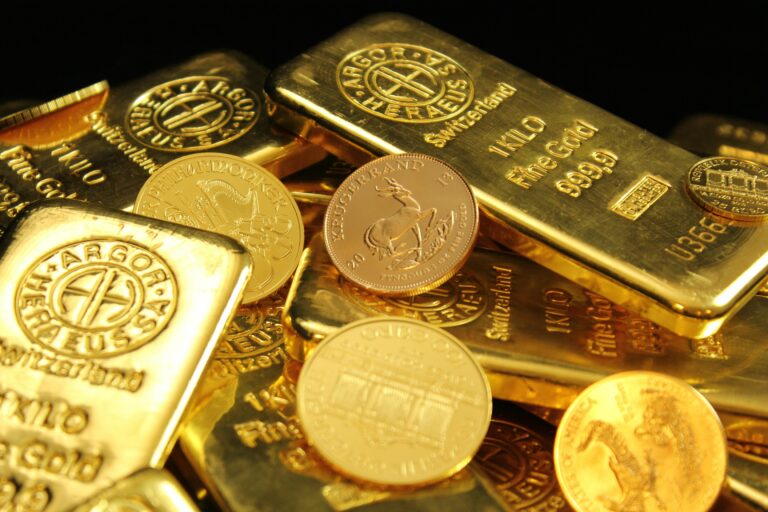
Physical Gold: This involves purchasing gold in its tangible form, such as bullion bars or coins. Physical gold offers direct ownership and the ultimate hedge against systemic risk, as it is not subject to counterparty risk. However, it comes with storage costs, insurance considerations, and potentially higher transaction fees. Reputable dealers and mints are the go-to sources for physical acquisitions. Many investors find comfort in holding a tangible asset, especially with the current Gold Price Outlook appearing strong.
Gold Exchange-Traded Funds (ETFs): Gold ETFs offer an accessible way to gain exposure to gold prices without the complexities of physical ownership. These funds hold physical gold on behalf of investors, and their shares trade on major stock exchanges. ETFs provide liquidity and can be bought and sold easily through a brokerage account. They are a popular choice for investors looking for market exposure with lower overheads than physical gold.
Gold Mining Stocks: Investing in shares of gold mining companies provides indirect exposure to gold prices. When gold prices rise, mining companies can often become more profitable, potentially leading to increased stock valuations. However, these stocks also carry additional risks associated with the company’s operational efficiency, management, geopolitical risks in mining regions, and overall equity market volatility. This method is often considered by those with a more aggressive Gold Price Outlook and a higher risk tolerance.
Gold Futures and Options: These are derivatives contracts that allow investors to speculate on the future price movements of gold. Futures contracts involve an agreement to buy or sell a specific quantity of gold at a predetermined price on a future date. Options provide the right, but not the obligation, to buy or sell gold. These instruments offer high leverage but also come with significant risk and are generally suitable for experienced traders who are well-versed in market dynamics and risk management. They are used by those who want to capitalize on short-term movements in the Gold Price Outlook.
Gold-Backed Digital Assets: A newer, emerging option involves digital tokens or cryptocurrencies that are backed by physical gold. These assets aim to combine the security and transparency of blockchain technology with the stability of gold. While still developing, they offer an alternative for tech-savvy investors looking for fractional ownership and ease of transfer.
The Long-Term Gold Price Outlook and Wealth Strategy
Considering gold in a long-term wealth strategy involves more than just reacting to short-term price fluctuations. Gold’s enduring value lies in its role as a hedge against systemic risks and a reliable store of wealth across generations. For investors focused on capital preservation and portfolio diversification, a strategic allocation to gold can be highly beneficial.
Throughout history, gold has demonstrated its ability to preserve purchasing power, particularly during periods of high inflation or economic crises when fiat currencies tend to depreciate. This resilience makes it a foundational asset for those aiming to protect their wealth from various economic uncertainties.
As central banks continue their strategic accumulation, and global geopolitical tensions remain elevated, the structural demand for gold is likely to persist. This underlying demand, coupled with the potential for further US rate cuts and a weakening US Dollar, paints a cautiously optimistic Gold Price Outlook for the foreseeable future.
However, it is crucial for investors to remain vigilant and informed. The market for gold is dynamic and subject to shifts in economic data, central bank rhetoric, and geopolitical developments. Monitoring Fedspeak, tracking inflation indicators, and staying abreast of global trade relations are all essential for making informed investment decisions regarding gold.
Diversification remains a cornerstone of sound financial planning. While gold offers unique benefits, it should typically be part of a broader portfolio that includes other asset classes such as stocks, bonds, and real estate, tailored to an individual’s specific financial goals and risk tolerance. A well-diversified portfolio aims to balance risk and return, ensuring resilience across various market conditions.
In conclusion, the recent climb of XAU/USD above $4,200 is a significant milestone, driven by a combination of dovish monetary policy expectations and heightened safe-haven demand. The current Gold Price Outlook appears constructive, supported by strong institutional buying and ongoing global uncertainties. For those looking to preserve wealth and diversify their portfolios, gold continues to shine as a compelling asset.
Frequently Asked Questions
Why do I need gold in my portfolio for financial security?
Gold has historically served as a reliable store of value and a safe-haven asset, particularly during turbulent economic times or periods of high inflation. It can act as a hedge against currency depreciation and market volatility, helping to preserve purchasing power and providing a stable foundation for your overall financial security.
Understanding the biggest gold purchasers for market insights?
Central banks are the largest institutional holders and purchasers of gold. They acquire gold to diversify reserves, support their currencies, and enhance economic stability. Their consistent buying, especially from emerging economies, signifies strong underlying demand and provides valuable insights into the long-term Gold Price Outlook, often acting as a significant price stabilizer.
Confused by Gold’s connection to other investments?
Gold generally has an inverse correlation with the US Dollar and US Treasuries; when these fall, gold often rises. It also tends to move inversely to risk assets like stocks. This means gold often performs well when other investments are struggling, making it an excellent tool for portfolio diversification and reducing overall risk exposure.
Deciphering the forces behind Gold price movements?
The price of gold is influenced by several factors, including geopolitical instability, fears of recession, interest rate changes (lower rates typically boost gold), the strength of the US Dollar (as gold is dollar-denominated), and inflation expectations. Its safe-haven status means global uncertainties often drive its price higher.
Exploring practical avenues for gold investment?
You can invest in gold through various methods. These include purchasing physical gold (bars, coins), investing in gold exchange-traded funds (ETFs) for market exposure, buying stocks of gold mining companies, or engaging in more complex instruments like gold futures and options for speculative trading. Each option carries different levels of risk and accessibility.
Evaluating Gold’s role in long-term wealth accumulation?
For long-term wealth accumulation, gold serves primarily as a wealth preservation tool and a hedge against systemic risks rather than a high-growth asset. It protects against inflation and currency debasement, offering stability during economic downturns. A modest allocation to gold can enhance portfolio resilience and contribute to a balanced, enduring wealth strategy.