

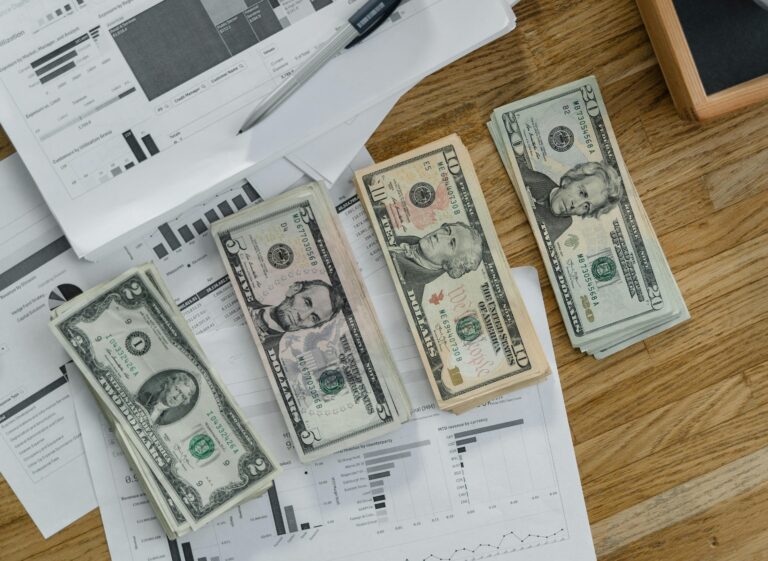
The US Dollar Index’s current fluctuations near 98.50 signal a shift in global markets. Understand how these movements directly influence your investment portfolio and wealth growth strategies.
The intricate dance of global economics often feels distant from our personal finances. Yet, understanding key indicators like the US Dollar Index (DXY) is paramount for safeguarding and growing your wealth. The DXY, a measure of the US Dollar’s value against a basket of six major currencies, has recently remained subdued near 98.50, reflecting a broader ‘risk-on’ mood in financial markets. This seemingly technical detail has profound implications for your investment portfolio, purchasing power, and overall financial strategy.
For investors focused on sustainable wealth creation, recognizing the forces that shape the dollar’s value is not just academic; it’s a critical component of informed decision-making. Every shift in the dollar’s strength or weakness translates into real-world gains or losses, affecting everything from your international stock holdings to the cost of imported goods. This article delves into the current landscape of the US Dollar, dissecting the economic data, Federal Reserve policies, and geopolitical factors that dictate its trajectory, and most importantly, how to position your finances to optimize for “Dollar Strength Investment Returns.”
The Dollar Index and Your Wealth: Unpacking Current Trends
The US Dollar Index (DXY) provides a real-time snapshot of the dollar’s health. Its current subdued state, hovering around 98.50, suggests that global investors are leaning towards higher-risk, higher-reward assets, moving away from the traditional safe-haven appeal of the dollar. This ‘risk-on’ sentiment is a complex interplay of global economic outlooks, central bank policies, and geopolitical stability. For those building wealth, understanding this shift is crucial.
A weaker dollar, for instance, can make US exports more competitive, potentially boosting the earnings of multinational corporations. Conversely, it can make imports more expensive, leading to inflationary pressures for consumers. On the investment front, a subdued dollar can enhance the returns on international investments when those foreign currency gains are converted back into a weaker dollar. Therefore, the DXY is far more than just a number; it is a critical barometer for “Dollar Strength Investment Returns” and a guide for strategic asset allocation.
Economic Data: The Driving Force Behind Dollar Strength
The most immediate catalysts for dollar movements are often US economic data releases. Traders and investors meticulously watch these reports for clues about the health of the economy and the likely direction of Federal Reserve monetary policy. Upcoming data points for December, such as the US ADP Employment Change and the ISM Services Purchasing Managers’ Index (PMI), are significant. These indicators provide insights into the private sector’s job creation and the vitality of the dominant services sector, respectively.
Later in the week, attention will squarely shift to the US Nonfarm Payrolls (NFP) report. This widely anticipated employment data is expected to show job gains of 55,000 in December, a decrease from 64,000 in November. Should the actual NFP figures deviate significantly from expectations – a stronger report indicating robust job growth, or a weaker one suggesting economic slowdown – the dollar could experience substantial volatility. Strong employment data typically signals a healthy economy, potentially leading the Fed to maintain or even tighten monetary policy, which usually supports a stronger dollar. Conversely, weak data could prompt calls for easing, putting downward pressure on the Greenback.
These data points are not merely statistics; they are direct inputs into the Federal Reserve’s decision-making process, which in turn impacts interest rates, bond yields, and ultimately, the attractiveness of the dollar for global investors. For individuals, these movements can affect the returns on savings accounts, the cost of borrowing, and the performance of various investment vehicles. Understanding this chain reaction is fundamental to achieving robust “Dollar Strength Investment Returns.”
The Federal Reserve’s Influence on Dollar Strength Investment Returns
The Federal Reserve (Fed) stands as the single most important institution influencing the US Dollar’s value. Its dual mandate of achieving price stability (controlling inflation) and fostering full employment guides its monetary policy decisions, primarily through adjusting interest rates. When the Fed raises rates, it makes dollar-denominated assets more attractive to foreign investors, increasing demand for the dollar and strengthening its value. Conversely, lowering rates tends to weaken the dollar.
Current market sentiment, according to the CME Group’s FedWatch tool, indicates an approximate 82.8% probability that the US central bank will keep rates unchanged at its January 27–28 meeting. This high probability of a ‘wait-and-see’ approach reflects the market’s expectation of the Fed assessing incoming data before making any drastic moves. However, significant divisions within the Fed itself complicate this outlook.
Divergent Views Within the Fed and Market Uncertainty
The Fed is not a monolithic entity; its governors and regional presidents often hold differing views on the appropriate path for monetary policy. These divergent opinions create market uncertainty and can lead to increased volatility in the dollar. For instance, Fed Governor Stephen Miran recently advocated for aggressive interest rate cuts this year to sustain economic momentum. Such a stance, if adopted, would likely lead to a weaker dollar as lower rates reduce the appeal of dollar assets.
In contrast, Minneapolis Fed President Neel Kashkari warned that the unemployment rate could “pop” higher, suggesting a need for caution and potentially even rate cuts to prevent an economic downturn. Richmond Fed President Tom Barkin, a non-voter on the rate-setting committee this year, emphasized that rate moves must be “finely tuned” to incoming data, acknowledging risks to both employment and inflation goals, as reported by Reuters. These varied perspectives highlight the complexity of the economic situation and the challenges the Fed faces in charting a clear course. For investors, this means keeping a close eye on Fed communications and speeches, as they can provide crucial signals for future “Dollar Strength Investment Returns.”
Such internal debates contribute to market speculation and impact the dollar. A Fed perceived as indecisive or internally conflicted can lead to less predictable dollar movements, making it harder for investors to gauge the best strategies for their portfolios. This necessitates a flexible and informed approach to managing investments in the face of currency volatility.
Geopolitical Tensions and the Safe-Haven Dollar
Historically, in times of global uncertainty or geopolitical turmoil, the US Dollar often serves as a “safe haven” currency. Investors flock to the dollar, and dollar-denominated assets like US Treasury bonds, seeing them as secure havens during periods of market stress. This increased demand strengthens the dollar’s value.
However, recent events have challenged this traditional dynamic. Despite escalating geopolitical tensions worldwide, including the US intervention in Venezuela and the capture of President Nicolas Maduro, the safe-haven Greenback has edged lower. Traders have so far largely “shrugged off” these developments, indicating a prevailing ‘risk-on’ mood where investors are willing to take on more risk in pursuit of higher returns.
This decoupling of geopolitical risk from dollar strength suggests that other factors, such as expected economic data and Fed policy, are currently holding more sway. It also implies that the market perceives these specific geopolitical events as contained or unlikely to severely disrupt global economic stability, at least for now. For the individual investor, this means that while geopolitical events are always worth monitoring, their immediate impact on currency markets can sometimes be overridden by domestic economic fundamentals and monetary policy expectations. Building “Dollar Strength Investment Returns” requires a nuanced understanding of these complex interdependencies, rather than relying solely on historical correlations.
Quantitative Easing (QE) and Tightening (QT): Understanding Their Impact on Your Dollar Strength Investment Returns
Beyond direct interest rate adjustments, the Federal Reserve has other powerful tools at its disposal, notably Quantitative Easing (QE) and Quantitative Tightening (QT). These non-standard monetary policy measures, often employed during extreme economic conditions, profoundly influence the dollar’s value and, consequently, your investment returns.
Quantitative Easing (QE) and Your Wealth
Quantitative Easing (QE) is a process by which the Fed substantially increases the flow of credit in a stalled financial system. It’s a last resort measure, used when traditional interest rate reductions are insufficient to stimulate the economy, often during periods like the Great Financial Crisis in 2008. During QE, the Fed essentially “prints” more Dollars and uses them to buy large quantities of government bonds and other financial assets, predominantly from financial institutions. The goal is to inject liquidity into the banking system, lower long-term interest rates, and encourage lending and investment.
From an investor’s perspective, QE usually leads to a weaker US Dollar. This happens for several reasons:
- Increased Supply: By “printing” more dollars, the supply of the currency increases, which, like any commodity, tends to depress its value.
- Lower Yields: The Fed’s bond purchases drive up bond prices and drive down yields. Lower yields make dollar-denominated assets less attractive compared to those in countries with higher returns.
- Inflationary Expectations: QE can fuel expectations of future inflation, as more money chasing the same amount of goods and services tends to push prices up. Inflation erodes the purchasing power of the dollar.
For your wealth, a weaker dollar due to QE can have several implications:
- Boost for US Exporters: Companies that export goods and services benefit as their products become cheaper for foreign buyers. This can lead to increased earnings and potentially higher stock prices for these firms.
- Higher Cost of Imports: Imported goods become more expensive, which can eat into consumer purchasing power and increase input costs for businesses that rely on foreign components.
- Commodity Prices: Many commodities, like oil and gold, are priced in US dollars. A weaker dollar often makes these commodities relatively cheaper for holders of other currencies, leading to increased demand and higher prices. This can be beneficial for investors in commodity-linked assets.
- International Investments: If you hold investments denominated in foreign currencies, a weaker dollar means those foreign assets become more valuable when converted back into dollars, enhancing “Dollar Strength Investment Returns” from abroad.
Quantitative Tightening (QT) and Your Financial Strategy
Quantitative Tightening (QT) is the reverse process of QE. It involves the Federal Reserve shrinking its balance sheet by either selling off assets it holds or, more commonly, by allowing maturing bonds to roll off its books without reinvesting the principal in new purchases. The goal of QT is to reduce the money supply, raise long-term interest rates, and remove excess liquidity from the financial system, typically to combat inflation or normalize monetary policy after a period of aggressive easing.
QT is generally positive for the US Dollar for the following reasons:
- Reduced Supply: By effectively removing dollars from circulation, the supply decreases, which typically boosts the currency’s value.
- Higher Yields: As the Fed steps back from purchasing bonds, market forces can push bond yields higher, making dollar-denominated assets more appealing to investors seeking better returns.
- Disinflationary Pressures: Reduced money supply can help cool inflationary pressures, thus preserving the purchasing power of the dollar.
The implications of QT for your financial strategy include:
- Strengthened Dollar: A stronger dollar can make US imports cheaper, potentially benefiting consumers and businesses relying on foreign supplies.
- Challenges for US Exporters: US products become more expensive for foreign buyers, potentially dampening export sales and the stock performance of export-oriented companies.
- Commodity Prices: A stronger dollar typically puts downward pressure on dollar-denominated commodity prices, which can impact investors in those markets.
- International Investments: A stronger dollar reduces the value of foreign currency-denominated investments when converted back into dollars, potentially diminishing “Dollar Strength Investment Returns” from abroad.
- Fixed Income Returns: Higher bond yields resulting from QT can be beneficial for new bond investors, offering better returns on fixed-income assets.
Understanding the cycles of QE and QT is essential for predicting longer-term dollar trends and adjusting your portfolio accordingly. These policies represent powerful levers the Fed uses, and their implementation or reversal can create significant shifts in market dynamics relevant to your “Dollar Strength Investment Returns.”
The Dollar’s Direct Impact on Your Everyday Finances
While discussions about the US Dollar Index, Federal Reserve policies, and quantitative easing might sound like abstract economic concepts, their effects are tangible and directly influence your personal finances. From the cost of your morning coffee to the long-term performance of your retirement fund, the dollar’s value plays a silent yet significant role. Optimizing your “Dollar Strength Investment Returns” starts with recognizing these direct connections.
Investing: Your Portfolio’s Sensitivity to the Dollar
Your investment portfolio is perhaps the most sensitive area to fluctuations in the US Dollar:
- International Investments: If you hold stocks or funds that invest in international markets (e.g., European, Asian, or emerging market equities), the dollar’s strength directly impacts your returns. When the dollar weakens, your foreign investments, denominated in stronger foreign currencies, translate into more dollars when repatriated, boosting your “Dollar Strength Investment Returns.” Conversely, a strengthening dollar reduces these gains or amplifies losses.
- Commodities: As mentioned, commodities like gold, oil, and industrial metals are typically priced in US dollars globally. A weaker dollar generally makes these commodities cheaper for buyers using other currencies, driving up demand and prices. This can benefit investors holding commodity-linked ETFs or futures. Gold, often seen as a hedge against dollar weakness and inflation, tends to perform well when the dollar is subdued.
- Multinational Corporations: Many large US companies derive a significant portion of their revenue from international sales. A weaker dollar makes their products and services more affordable abroad, boosting their reported earnings when converted back to dollars. Conversely, a strong dollar can create headwinds for these companies. Researching the global exposure of your stock holdings can help you anticipate how they might perform under different dollar scenarios.
- Bonds and Fixed Income: A stronger dollar, often a result of higher US interest rates, makes US Treasury bonds and corporate bonds more attractive to international investors, increasing demand and potentially supporting their prices. However, if you’re a US investor holding international bonds, a strong dollar can erode your returns.
Purchasing Power: What Your Money Buys
Beyond investments, the dollar’s value affects your everyday purchasing power:
- Imported Goods: A strong dollar makes imported goods cheaper. This can range from electronics and clothing to certain food items. Conversely, a weak dollar increases the cost of these items, contributing to inflation.
- International Travel: For travelers, a strong dollar means your money goes further abroad, making international vacations more affordable. A weak dollar, however, can make foreign trips significantly more expensive.
- Energy Costs: Since oil is dollar-denominated, a weaker dollar can contribute to higher oil prices, which then translates into higher gasoline prices and increased transportation costs, affecting your budget directly.
Debt: Borrowing Costs and the Dollar
While less direct for most personal debt, the dollar’s strength can indirectly influence borrowing costs:
- Interest Rates: The Fed’s actions to influence the dollar (often through interest rates) directly impact the cost of loans. Higher interest rates, which often accompany a stronger dollar, mean higher payments on variable-rate mortgages, credit cards, and other loans. Conversely, a weaker dollar environment, often associated with lower rates, can reduce borrowing costs.
Understanding these connections is the first step toward building resilience and actively pursuing “Dollar Strength Investment Returns” within your financial plan.
Strategies for Navigating Dollar Volatility and Optimizing Your Dollar Strength Investment Returns
Given the pervasive influence of the US Dollar, a proactive approach to managing your finances in an environment of currency volatility is essential. Here are key strategies to consider for optimizing your “Dollar Strength Investment Returns” and safeguarding your wealth.
Diversification: Your First Line of Defense
Diversification is not just about spreading your investments across different asset classes; it also includes geographic and currency diversification. If your entire portfolio is US-dollar denominated, you are entirely exposed to the dollar’s movements. To mitigate this:
- International Equities: Allocate a portion of your stock portfolio to international markets. This can be done through international ETFs, mutual funds, or direct investments in foreign companies. When the dollar weakens, these foreign assets can provide a beneficial offset.
- Commodities: Consider adding a small allocation to commodities, particularly precious metals like gold, which tend to have an inverse relationship with the dollar. This can act as a hedge during periods of dollar weakness and inflationary pressures.
- Real Estate: While local real estate might seem dollar-denominated, its value can be influenced by inflation, which often accompanies a weaker dollar. Global real estate investments through REITs or funds can also provide diversification.
Staying Informed and Adapting Your Strategy
The global economic landscape is constantly shifting, and so too is the dollar’s trajectory. Keeping abreast of key economic indicators, Federal Reserve announcements, and geopolitical developments is crucial. Reputable financial news sources like FXStreet and official publications from central banks can provide valuable insights. The goal isn’t to become a day trader but to understand the broader trends and adjust your long-term strategy as needed.
- Monitor Economic Data: Pay attention to GDP growth, inflation rates, employment figures (like NFP), and consumer sentiment. Strong data often supports a stronger dollar, while weaker data can lead to depreciation.
- Follow Central Bank Commentary: Speeches and minutes from Fed officials offer clues about future monetary policy. Understanding whether the Fed is leaning towards tightening (raising rates, QT) or easing (cutting rates, QE) is critical for anticipating dollar movements.
- Global Economic Outlook: Understand how the US economy performs relative to other major global economies. If the US is outperforming, it can attract capital, strengthening the dollar.
Focusing on Long-Term Goals and Avoiding Speculation
For most individual investors, trying to time currency markets based on short-term DXY fluctuations is a losing proposition. The inherent volatility and complexity make it unsuitable for long-term wealth building. Instead, focus on how dollar movements might impact your pre-existing financial goals:
- Retirement Planning: If you plan to retire abroad, a weaker dollar could significantly impact your purchasing power in your chosen country. Conversely, if you plan to live in the US and receive income from foreign sources, a stronger dollar benefits you.
- Major Purchases: If you anticipate a large purchase that involves foreign components (e.g., an imported car or luxury good), tracking dollar strength can help you time your purchase more advantageously.
- Inflation Protection: A consistently weakening dollar is often associated with higher inflation. Ensure your portfolio includes assets that historically perform well during inflationary periods, such as real estate, inflation-protected securities (like TIPS), and certain commodities.
Reviewing Your Investment Thesis
Periodically revisit your investment thesis in light of dollar trends. Ask yourself:
- Are my investments overly concentrated in dollar-sensitive sectors?
- Does my current asset allocation provide sufficient protection against dollar weakness or an unexpected strengthening?
- Am I taking advantage of opportunities presented by a stronger or weaker dollar? For example, during a period of dollar strength, it might be an opportune time to invest in international equities at a relatively lower dollar cost.
By integrating an awareness of “Dollar Strength Investment Returns” into your broader financial strategy, you can build a more resilient portfolio, better positioned to navigate the complexities of global markets and steadily advance towards your wealth-building objectives. It’s about proactive planning, not reactive fear.
Conclusion: Mastering the Dollar for Your Financial Future
The US Dollar is far more than just a currency; it is a central pillar of the global financial system and a crucial determinant of your personal financial success. Its current subdued state, influenced by economic data, Federal Reserve divisions, and evolving geopolitical landscapes, underscores the dynamic nature of currency markets. For individuals striving to build and preserve wealth, understanding these macro forces is no longer an optional extra but a foundational element of sound financial planning.
From the employment figures impacting Fed interest rate decisions to the nuances of quantitative easing and tightening, every shift in the dollar’s trajectory has direct consequences for your investment portfolio, purchasing power, and even your long-term financial goals. A weaker dollar can boost international holdings and commodity prices, while a stronger dollar might make imports cheaper and favor domestic assets. Recognizing these connections is the first step towards optimizing for “Dollar Strength Investment Returns.”
The key to navigating this complex environment lies in strategic diversification, continuous learning, and a steadfast focus on your long-term objectives. By diversifying your assets globally, staying informed about economic trends and central bank policies, and periodically reassessing your investment thesis, you equip yourself to turn potential headwinds into opportunities. Don’t let the intricacies of the DXY intimidate you; instead, empower yourself with knowledge and make informed decisions that actively contribute to your financial well-being and a robust wealth-building journey.
Frequently Asked Questions
How can a weakening Dollar negatively affect my savings goals?
A weakening US Dollar can erode your savings in several ways. Primarily, it can lead to higher inflation, as imported goods become more expensive. This means your fixed amount of savings will have less purchasing power over time. Additionally, if your savings are entirely in dollar-denominated assets, and you have future plans that involve international purchases or living abroad, a weaker dollar means your money will buy less in foreign currencies, frustrating your goal of maximizing your global financial reach.
What investment strategies can help me achieve better returns when the Dollar is strengthening?
When the US Dollar is strengthening, consider strategies that leverage its increased purchasing power. This often involves investing in US-based companies with significant domestic operations, as their earnings won’t be diluted by foreign currency conversion. It can also be an opportune time to invest in international assets, as a stronger dollar means you can buy foreign stocks or real estate at a relatively lower cost in dollar terms. Additionally, a stronger dollar often accompanies higher US interest rates, making US Treasury bonds and other fixed-income securities more attractive to global investors, potentially boosting “Dollar Strength Investment Returns” in these areas.
Does the Federal Reserve’s stance on interest rates truly impact my everyday investments, or just major institutions?
Yes, the Federal Reserve’s stance on interest rates profoundly impacts your everyday investments, not just major institutions. When the Fed raises rates, it generally strengthens the dollar, makes borrowing more expensive (impacting mortgages, credit cards), and can slow down economic growth, potentially affecting corporate earnings and stock market performance. Conversely, lowering rates tends to weaken the dollar, makes borrowing cheaper, and can stimulate economic activity. These changes ripple through the economy, influencing everything from the yield on your savings account to the returns on your diversified stock and bond portfolios, directly affecting your “Dollar Strength Investment Returns” and overall wealth accumulation.
How can I protect my purchasing power if the US Dollar is expected to weaken long-term?
To protect your purchasing power during an expected long-term weakening of the US Dollar, consider diversifying into assets that historically perform well in such environments. This includes inflation-protected securities (like TIPS), real estate, and commodities such as gold and silver. International equities can also provide a hedge, as their returns, when converted back to a weaker dollar, could be amplified. The goal is to hold assets that either increase in value with inflation or benefit from the dollar’s depreciation, safeguarding your wealth against erosion.
Should I adjust my investment portfolio based on short-term US Dollar Index fluctuations to avoid losses?
For most long-term wealth builders, it’s generally not advisable to adjust your entire investment portfolio based on short-term US Dollar Index fluctuations. Currency markets are highly volatile and notoriously difficult to predict consistently. Frequent trading based on short-term movements can lead to increased transaction costs, potential capital gains taxes, and often underperformance compared to a well-diversified, long-term strategy. Instead, focus on understanding the broader, secular trends of the dollar and how they align with your overall financial goals, making strategic adjustments rather than reactive ones to optimize your “Dollar Strength Investment Returns.”