

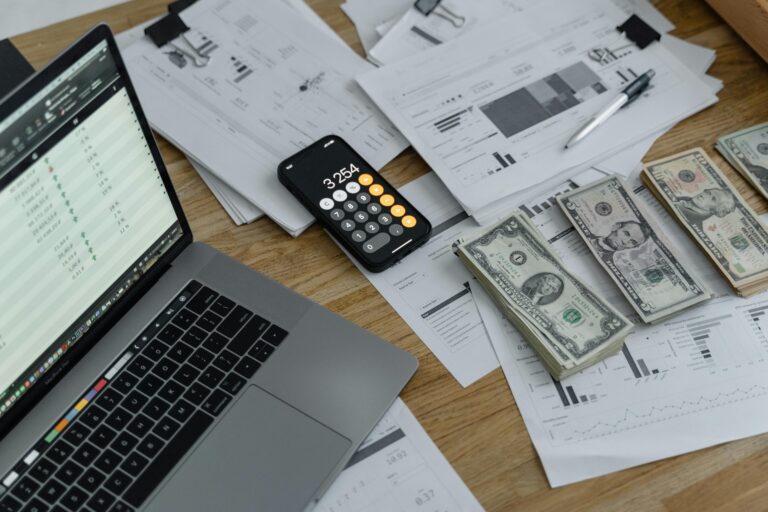
This article explores the recent US Dollar Index weakening and its potential ramifications for your personal finances and investment portfolio, providing actionable strategies to safeguard and grow your wealth amidst economic uncertainty. We delve into the complex interplay of economic data, monetary policy, and global trade, offering insights compatible with long-term wealth building regardless of market fluctuations.
The US Dollar Index (DXY) weakening below key psychological thresholds is a development that sends ripples across global financial markets, directly or indirectly affecting every individual’s financial standing. For those committed to building and preserving wealth, understanding the forces behind these currency shifts is not just academic; it’s a vital component of prudent financial planning. The recent trend of the DXY trading on a negative note, amidst a prolonged US federal shutdown and anticipation of Federal Reserve actions, highlights the intricate web of factors influencing the world’s most traded currency. This comprehensive guide aims to demystify these dynamics and equip you with strategies to navigate currency volatility effectively.
When the US Dollar Index weakens, it signals a shift in the perceived value of the US dollar against a basket of major world currencies. This isn’t merely a headline for financial news; it has tangible consequences for everything from the cost of imported goods to the returns on international investments. As the US government shutdown drags on, creating uncertainty and suspending the release of critical economic data, investor confidence can erode, putting further pressure on the dollar. Meanwhile, central bank decisions and global trade talks add layers of complexity, making informed action more critical than ever.
Understanding the US Dollar Index Weakening: Root Causes
The current environment illustrates multiple pressures contributing to the US Dollar Index weakening. To fully grasp its implications for your personal wealth, we must first dissect these underlying factors.
The Impact of a Government Shutdown on the US Dollar Index
A prolonged US federal government shutdown, as experienced recently, casts a shadow of doubt over the nation’s economic governance. When Congress fails to pass funding legislation, it signals political gridlock and can significantly dent investor confidence in the stability and predictability of the US economy. This uncertainty often translates into a less attractive outlook for the dollar, causing it to weaken against its rivals.
Furthermore, a shutdown directly impairs economic data collection and release. Critical reports from the Bureau of Labor Statistics and the Census Bureau are suspended, leaving the Federal Reserve and market participants without essential information to make informed decisions. This data vacuum complicates monetary policy formulation, adding another layer of risk that investors typically shy away from, contributing to the US Dollar Index weakening.
Federal Reserve Policy and Its Influence on the US Dollar Index
The Federal Reserve (Fed) plays a pivotal role in shaping the value of the US Dollar through its monetary policy. The Fed has a dual mandate: to achieve price stability (control inflation) and foster full employment. Its primary tool to achieve these goals is by adjusting interest rates.
When the Fed raises interest rates, it generally makes the dollar more attractive to foreign investors seeking higher returns on dollar-denominated assets, thus strengthening the currency. Conversely, when inflation falls below the Fed’s target or the Unemployment Rate is too high, the Fed may lower interest rates. This makes dollar assets less attractive, leading to a US Dollar Index weakening.
Current market sentiment, as reflected by Fed funds futures, pricing in a high probability of an interest rate cut, is a significant driver of the recent dollar weakness. This expectation of lower interest rates diminishes the appeal of holding dollars compared to other currencies where returns might be more favorable or expected to remain stable.
Global Trade Tensions and the US Dollar Index
Geopolitical developments, particularly US-China trade relations, also exert considerable influence. While a de-escalation of trade tensions could provide some support for the dollar by improving global economic sentiment, the uncertainty surrounding high-stakes talks, as noted by US President Donald Trump’s comments regarding potential meetings, can keep investors on edge. Positive developments typically support the dollar as they suggest a more stable global economic outlook, but any sign of stalled negotiations or escalating tariffs can quickly lead to a US Dollar Index weakening.
Monetary Policy Tools: QE and QT and the US Dollar Index
Beyond traditional interest rate adjustments, the Federal Reserve employs other powerful tools that profoundly impact the US Dollar: Quantitative Easing (QE) and Quantitative Tightening (QT). Understanding these is crucial for appreciating the broader context of currency movements.
What is Quantitative Easing (QE)?
In extreme situations, such as the credit crunch during the Great Financial Crisis in 2008, the Federal Reserve can enact Quantitative Easing (QE). QE is a non-standard monetary policy measure used when traditional interest rate cuts are insufficient to stimulate the economy. It involves the Fed substantially increasing the flow of credit in a stuck financial system by printing more dollars and using them to buy government bonds and other financial assets, predominantly from financial institutions. This injection of liquidity is intended to lower long-term interest rates, encourage lending, and boost economic activity.
The general consensus is that QE usually leads to a weaker US Dollar. By increasing the supply of dollars in the financial system, the “value” or scarcity of each dollar decreases, contributing to a US Dollar Index weakening. This can make US exports cheaper and stimulate economic growth, but it can also raise concerns about inflation and the dollar’s purchasing power.
What is Quantitative Tightening (QT)?
Quantitative Tightening (QT) is the reverse process of QE. During QT, the Federal Reserve stops buying bonds from financial institutions and does not reinvest the principal from maturing bonds. Essentially, it withdraws liquidity from the financial system. This process is undertaken when the economy is strong, and the Fed aims to normalize its balance sheet and prevent overheating.
QT is generally considered positive for the US Dollar. By reducing the supply of dollars in circulation, it increases the currency’s scarcity and value. This strengthening of the dollar can help curb inflation, but it can also make US exports more expensive and potentially slow down economic growth. The transition from QE to QT, or vice versa, often marks significant shifts in the dollar’s trajectory and has direct implications for investors.
Impact of US Dollar Index Weakening on Your Wealth
A weakening US Dollar Index isn’t just an abstract economic indicator; it has concrete effects on various aspects of your personal finance and investment portfolio.
Everyday Spending and Cost of Living
For the average consumer, a weaker dollar means that imported goods become more expensive. If your daily life involves products manufactured abroad – from electronics to clothing to certain food items – you might notice an increase in prices. This is because it takes more dollars to purchase the same amount of foreign currency needed to buy those goods. Over time, this can contribute to inflationary pressures, eroding your purchasing power and making your existing savings less valuable.
Investment Portfolio Performance
The impact on your investments is multifaceted:
International Investments: A weakening dollar can be a boon for US investors holding international assets. When foreign currencies strengthen against the dollar, the value of those overseas investments, when converted back to dollars, increases. For example, if you own shares in a European company and the Euro strengthens against the dollar, your investment will be worth more in dollar terms even if the stock price in Euros remains unchanged.
US Equities: The effect on US stocks is mixed. Companies that derive a significant portion of their revenue from international sales might benefit, as their foreign earnings will translate into more dollars. This can boost their profits and potentially their stock prices. However, companies that rely heavily on imported raw materials or have substantial foreign debt might face increased costs or higher debt burdens, which could negatively impact their stock performance.
Commodities: Commodities like oil and gold are typically priced in US dollars. When the dollar weakens, it makes these commodities cheaper for buyers using other currencies, which can increase demand and push up their dollar-denominated prices. This is why gold is often seen as a hedge against a falling dollar.
Bonds: A weaker dollar often goes hand-in-hand with expectations of lower interest rates, which can be positive for existing bondholders as bond prices move inversely to interest rates. However, if the dollar weakness is a result of concerns about US economic stability, it could make US government bonds less attractive to foreign investors, potentially leading to higher yields in the long run to compensate for the perceived risk.
Savings and Retirement Planning
For those with substantial cash savings, a persistently weakening dollar, especially if accompanied by inflation, can silently erode your wealth. The money you’ve diligently saved will simply buy less in the future. For retirement planning, this means that the future purchasing power of your retirement nest egg needs to be carefully considered. It underscores the importance of not keeping too much wealth in cash and diversifying into assets that can either benefit from or be insulated from currency depreciation.
Strategies for Wealth Protection and Growth Amidst a US Dollar Index Weakening
Understanding the dynamics of a weakening dollar is the first step; the next is to implement strategies to protect and grow your wealth.
Diversification: Your Primary Defense
Geographic Diversification: Don’t put all your investment eggs in one national basket. Investing in companies and markets outside the US can provide a natural hedge against dollar weakness. As mentioned, when foreign currencies strengthen, your international holdings, when converted back to dollars, increase in value. Consider global equity funds, international bond funds, or direct investments in strong foreign economies.
Asset Class Diversification: Beyond geography, diversify across different asset classes. Include a mix of equities, bonds, real estate, and potentially commodities in your portfolio. Certain asset classes tend to perform better during periods of dollar weakness.
Inflation Hedges
If dollar weakness contributes to inflation, certain assets can act as a hedge:
Real Estate: Historically, real estate has been considered a good hedge against inflation. Property values and rental income tend to rise with general price levels.
Commodities: Gold, silver, and other precious metals, as well as broader commodity indices, often perform well when the dollar is weakening and inflation concerns are rising. They are tangible assets whose value isn’t tied directly to any single currency.
Treasury Inflation-Protected Securities (TIPS): These are US government bonds designed to protect investors from inflation. Their principal value adjusts with the Consumer Price Index (CPI), ensuring your purchasing power is maintained.
Reviewing Your Bond Portfolio
If interest rates are expected to fall (often a driver of dollar weakness), existing bonds with higher yields become more attractive, and their prices rise. However, for new bond purchases, lower interest rates mean lower returns. Re-evaluate your bond portfolio:
Short-Duration Bonds: If you anticipate rising interest rates in the future, short-duration bonds are less sensitive to interest rate changes.
Global Bonds: Consider diversifying into bonds issued by foreign governments or corporations, especially those in economies with strong currencies or higher interest rates.
Consider Currency-Hedged Investments
For those who want exposure to international markets but wish to mitigate currency risk, there are investment products, such as currency-hedged exchange-traded funds (ETFs) or mutual funds. These funds use financial instruments to neutralize the impact of currency fluctuations on returns, allowing you to focus solely on the performance of the underlying assets.
The Importance of Staying Informed
The financial landscape is dynamic. Keep an eye on economic indicators, central bank announcements, and geopolitical developments. Platforms like FXStreet (as cited in the original information) provide real-time updates and analysis that can help you understand market movements. While it’s impossible to predict every turn, staying informed allows you to adjust your strategies proactively.
Long-Term vs. Short-Term Perspectives
For the ‘Work to Wealth’ philosophy, a long-term perspective is usually paramount. While short-term currency fluctuations can create noise, focus on your overall financial goals. Short-term trading based on daily currency movements is highly speculative and generally not recommended for most investors. Instead, build a robust, diversified portfolio designed to weather various economic cycles, including periods of US Dollar Index weakening.
Emergency Funds
Maintain an adequate emergency fund in a highly liquid and secure account. While a weakening dollar might affect its purchasing power over the very long term, the primary purpose of an emergency fund is immediate accessibility and safety. Some investors might consider holding a portion of their emergency fund in a stable, diversified global fund, but the core should remain accessible and secure.
Delving Deeper: The Nuances of US Dollar Dynamics
To truly master your wealth strategy amidst currency shifts, it’s beneficial to explore some deeper nuances of the US Dollar’s role and how various factors interplay.
The US Dollar as the World’s Reserve Currency
The US Dollar holds a unique position as the world’s primary reserve currency. Following World War II, it took over from the British Pound. This means central banks globally hold large quantities of dollars as part of their foreign exchange reserves. For most of its history, the US Dollar was backed by Gold, until the Bretton Woods Agreement in 1971 when the Gold Standard went away.
This status provides the dollar with a certain level of resilience. Even during periods of US Dollar Index weakening, its role in international trade and finance often means it remains in demand. However, challenges to this status, such as increased trade in other currencies or geopolitical shifts, could have profound long-term implications. For wealth builders, understanding this context helps assess the gravity of sustained dollar weakness versus temporary fluctuations.
Correlation with Economic Data
The dollar’s value is highly sensitive to US economic data. Strong employment figures, robust GDP growth, and controlled inflation typically support a stronger dollar. Conversely, disappointing economic reports can exacerbate a US Dollar Index weakening trend. The suspension of economic data releases during a government shutdown, as highlighted by FXStreet, removes key signals for investors, leading to increased speculation and potential volatility. This emphasizes why a healthy, functioning government is crucial not just for national stability but for individual financial security.
Interest Rate Differentials
Beyond the Fed’s direct interest rate decisions, the differential between US interest rates and those in other major economies significantly impacts the dollar. If other central banks are raising rates while the Fed is cutting or signaling cuts, capital tends to flow out of the US in search of higher returns, contributing to a US Dollar Index weakening. Investors seeking yield will move their money where it earns more, making currency comparison a crucial element of international investment strategy.
The Role of Safe-Haven Status
Despite periods of weakness, the US Dollar often retains a “safe-haven” status during times of extreme global financial stress or geopolitical instability. When global markets panic, investors frequently flock to the perceived safety and liquidity of US Treasury bonds and the dollar, even if US economic fundamentals are not perfect. This means that a US Dollar Index weakening might be interrupted or reversed if a major global crisis erupts elsewhere, showcasing the complex and sometimes contradictory nature of currency dynamics.
Impact on Global Supply Chains
For businesses and consumers, a weaker dollar can impact global supply chains. For US companies importing components or finished goods, costs rise. This can lead to either reduced profit margins or higher prices passed on to consumers. Conversely, US exporters find their products more competitive in international markets, potentially boosting sales and profitability. These shifts affect the corporate earnings of publicly traded companies, which in turn influences stock market performance and the value of your equity investments.
Future Outlook and Continuous Adaptation
The future trajectory of the US Dollar Index will depend on a confluence of ongoing factors: the resolution of domestic political issues like government shutdowns, the future path of Federal Reserve monetary policy, the success or failure of international trade negotiations, and global economic growth trends.
For the long-term wealth builder, the key is not to panic during periods of US Dollar Index weakening but to view them as opportunities to re-evaluate and adapt your strategy. Regular portfolio reviews are essential. Are your international allocations still appropriate? Are you sufficiently hedged against inflation? Is your emergency fund robust enough to withstand potential economic shocks?
Consider working with a trusted financial advisor. They can help you analyze your specific financial situation, risk tolerance, and goals, tailoring a strategy that accounts for currency fluctuations and broader economic trends. While this article provides a general framework, personalized advice is invaluable.
Ultimately, managing your wealth in an environment of a US Dollar Index weakening is about resilience, diversification, and informed decision-making. By understanding the forces at play and implementing sound financial strategies, you can not only protect your wealth but also position it for continued growth, regardless of which way the currency winds blow. The journey to wealth is rarely a straight line; it involves navigating economic currents, and the ability to adapt is your most powerful tool.
Frequently Asked Questions
How does a weaker US Dollar Index impact my everyday savings?
A weaker US Dollar means that imported goods become more expensive, as it takes more dollars to purchase foreign goods. Over time, this can lead to increased prices for many items you buy, effectively reducing the purchasing power of your savings. If accompanied by inflation, the real value of your cash holdings can erode significantly, making it harder to accomplish your savings goals.
What investment adjustments should I consider during periods of US Dollar weakening?
During periods of US Dollar weakening, consider diversifying your portfolio geographically by investing in international stocks and bonds. These assets can benefit if foreign currencies strengthen against the dollar. Additionally, look into inflation hedges like real estate, commodities (e.g., gold), and Treasury Inflation-Protected Securities (TIPS) to protect your wealth from potential loss of purchasing power. Reviewing your bond portfolio’s duration and considering global bond funds might also be beneficial.
Will continued US-China trade tensions further erode my international investment returns?
Yes, continued US-China trade tensions can create global economic uncertainty, which often leads to increased market volatility and can impact international investment returns. While a weaker dollar might boost some international assets when converted back to dollars, ongoing trade disputes can negatively affect corporate earnings of companies involved in international trade, potentially offsetting currency gains. It’s crucial to stay diversified and monitor geopolitical developments for their broader economic impact.
What is Quantitative Easing (QE) and how does it affect my long-term financial stability?
Quantitative Easing (QE) is when the Federal Reserve creates new money to buy financial assets, injecting liquidity into the economy. This typically leads to a weaker US Dollar and lower interest rates. While QE can stimulate economic growth and asset prices in the short term, its long-term impact on your financial stability can involve concerns about inflation and the erosion of the dollar’s purchasing power. For long-term stability, it underscores the need for a diversified portfolio that includes inflation-hedging assets.
Should I adjust my retirement plan if the US Dollar Index shows sustained weakness?
Yes, sustained weakness in the US Dollar Index warrants a review of your retirement plan. This isn’t about panicking, but rather ensuring your long-term goals aren’t jeopardized. Consider increasing your exposure to international assets or inflation-hedged investments within your retirement portfolio. The goal is to preserve the purchasing power of your retirement savings so that your future self can maintain the desired lifestyle, even if the dollar buys less. Consulting with a financial advisor for personalized adjustments is recommended.