

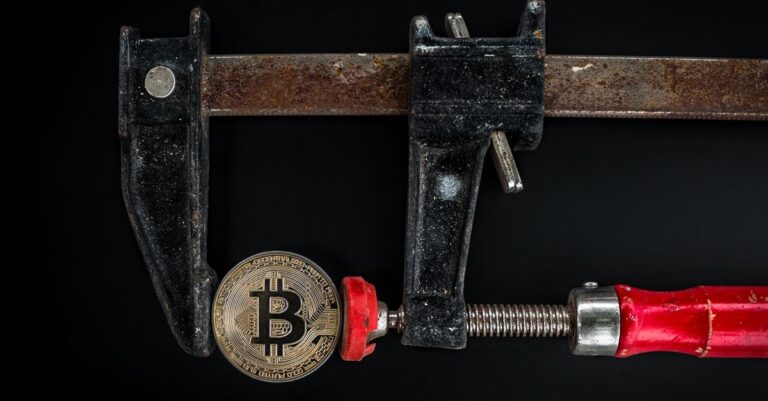
Protecting your digital assets is crucial in a volatile market. Learn practical steps to secure your investments and mitigate risks effectively.
Navigating the Wild West: Safeguarding Your Digital Investments
The world of digital assets, from cryptocurrencies to NFTs, offers exciting opportunities for wealth growth, but it also presents unique and sometimes daunting risks. Recent events in the broader digital asset landscape highlight how quickly value can erode due to unforeseen vulnerabilities or malicious exploits. For anyone allocating capital to this frontier, robust digital asset protection isn’t just a suggestion—it’s an absolute necessity.
Unlike traditional investments held in a major bank or brokerage, digital assets often place a greater burden of security directly on the investor. Understanding these distinctions and proactively implementing safeguards can be the difference between significant financial growth and devastating losses. This article will walk you through essential strategies to protect your digital portfolio.
Understanding the Multifaceted Risks of Digital Assets
The inherent decentralization and technological complexity of digital assets introduce a distinct set of risks that traditional finance rarely encounters. These risks can broadly be categorized into technological, market, regulatory, and operational. Each requires a tailored approach to mitigation.
Technological risks encompass everything from vulnerabilities in smart contracts to platform hacks and oracle exploits, where external data feeds are manipulated. Market risks relate to extreme volatility, illiquidity, and the speculative nature of many projects. Regulatory risks involve evolving government stances that can impact asset values or access, while operational risks stem from human error, phishing, or poor security practices.
Essential Steps for Robust Digital Asset Protection
Securing your digital investments starts with foundational practices. Think of these as the locks and alarms on your financial home. Ignoring them leaves you unnecessarily exposed to common threats.
Prioritize Strong Custody Solutions
One of the most critical decisions is how you store your digital assets. For significant holdings, hardware wallets, often called “cold storage,” offer the highest level of security. These devices keep your private keys offline, making them impervious to online hacking attempts.
While convenient, leaving large amounts of digital assets on a centralized exchange or lending platform carries inherent risks. These platforms are attractive targets for hackers, and you essentially entrust your funds to their security measures. Researching their insurance policies and security track record is paramount if you choose this route, but self-custody offers greater control.
Master Your Seed Phrase and Private Keys
Your seed phrase (a series of words) or private keys are the ultimate access to your digital assets. Losing them means losing your funds forever. Sharing them with anyone means surrendering control. They should be stored offline, in a secure, fireproof, and waterproof location, never digitally on a computer or cloud service.
A common pitfall is to photograph or type out a seed phrase, unknowingly creating a digital record vulnerable to breaches. Instead, manually write it down and consider multiple secure, geographically separated backups. Treat your seed phrase with the same reverence as the keys to a safe deposit box containing all your wealth.
Implement Multi-Factor Authentication (MFA) Everywhere
Any service you use for digital assets—exchanges, wallet interfaces, or DeFi protocols—should have MFA enabled. While simple password protection is insufficient, MFA adds another layer of verification, typically through an authenticator app (like Google Authenticator) or a physical security key. SMS-based MFA is generally less secure due to SIM-swap risks.
Due Diligence: Research Before You Invest
The dynamic nature of the digital asset space means new projects and protocols emerge constantly. Blindly investing based on hype or social media trends is a recipe for disaster. Thorough research is your first line of defense against scams and poorly conceived projects.
Scrutinize Project Fundamentals
Before investing in any digital asset, delve into its whitepaper and technical documentation. Understand the problem it aims to solve, its technology, and its roadmap. Who is the team behind the project? Do they have a verifiable background and expertise? A strong, transparent team is a significant indicator of legitimacy.
Look for projects that have undergone independent security audits of their smart contracts by reputable firms. While an audit isn’t a guarantee against all flaws, it significantly reduces the risk of common vulnerabilities. Projects that skip this step are often red flags.
Understand the Protocol and Third-Party Risks
If you’re engaging with decentralized finance (DeFi) protocols, understand how they work. What are the mechanisms for lending, borrowing, or providing liquidity? Be aware of potential risks like impermanent loss in liquidity pools or the reliance on external data oracles for price feeds.
A notable observation is that many exploits target not the core blockchain, but the peripheral infrastructure or third-party services it relies upon. A protocol might be secure, but if its oracle feed or cross-chain bridge is compromised, your funds can still be at risk. Diversify your exposure across different protocols and ecosystems.
Developing a Robust Risk Management Strategy
Even with thorough research and strong security, the inherent volatility of digital assets demands a strategic approach to risk. Think about how digital assets fit into your overall financial picture.
Allocate Appropriately for Your Risk Tolerance
Digital assets should generally be considered a higher-risk, speculative portion of your investment portfolio. A common guideline is to allocate only what you can comfortably afford to lose, as significant price swings are common. This might mean dedicating 5-10% of your investable assets, or even less, depending on your personal financial situation and goals.
Resist the urge to over-allocate simply because a particular asset has seen rapid gains. Maintain perspective on your long-term financial goals and ensure your digital asset portfolio doesn’t jeopardize your essential savings or retirement plans.
Diversification Within Digital Assets
Just as you diversify in traditional markets, diversify your digital asset holdings. Don’t put all your capital into a single cryptocurrency or DeFi protocol. Spreading your investment across different asset types (e.g., store of value, smart contract platforms, stablecoins, utility tokens) and different sectors can help mitigate project-specific risks.
This approach helps protect against single points of failure, where an exploit or failure in one project doesn’t wipe out your entire digital asset portfolio. Regularly rebalance your holdings to maintain your target allocation as market conditions change.
Stay Informed and Vigilant Against Social Engineering
The human element remains a significant vulnerability. Scammers constantly evolve their tactics, often exploiting fear, uncertainty, or greed.
Beware of Phishing and Impersonation
Always verify the legitimacy of websites, emails, and social media accounts. Phishing scams often involve creating fake websites that mimic legitimate exchanges or wallets to steal your credentials. Double-check URLs, and never click suspicious links. Legitimate entities will rarely ask for your private keys or seed phrase directly.
Be wary of direct messages on social media or messaging apps offering too-good-to-be-true investment opportunities or urgent demands for funds. These are almost universally scams designed to separate you from your digital assets.
Continuous Learning is Your Best Defense
The digital asset space evolves at a rapid pace. Staying informed about new security threats, technological advancements, and regulatory changes is crucial. Follow reputable news sources, security researchers, and established thought leaders in the space.
Understanding the basic mechanics of how different blockchains and protocols function will empower you to make more informed decisions and spot potential red flags. Your knowledge base is a formidable tool in your digital asset protection arsenal.
Investing in digital assets can be a powerful path to wealth, but only if approached with caution, intelligence, and a strong commitment to security. By implementing robust protection strategies, conducting thorough due diligence, and maintaining constant vigilance, you can confidently navigate this exciting, yet challenging, financial frontier.