

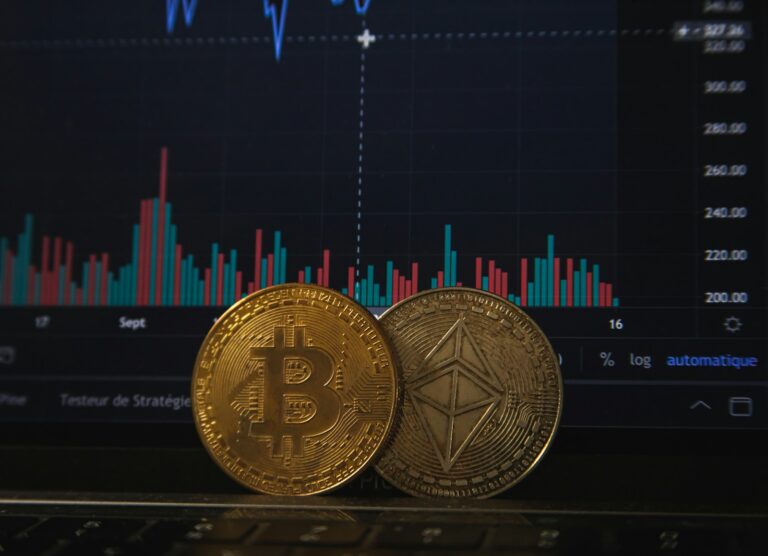
The world of investing is witnessing a profound shift, with Bitcoin ETFs emerging as a dominant force attracting unprecedented capital. This article delves into the phenomenal rise of these investment vehicles, particularly highlighting a leading fund’s rapid ascent towards $100 billion in assets under management. Discover what this massive influx means for your wealth-building strategies and how it integrates into a robust financial plan for long-term prosperity.
In the dynamic landscape of modern finance, few investment products have captured the attention and capital of investors quite like the Bitcoin ETF. These exchange-traded funds, which offer a regulated and accessible way to gain exposure to the leading digital asset, have seen a meteoric rise in popularity and investment flows. This surge isn’t just a fleeting trend; it represents a significant shift in how both institutional and retail investors are approaching wealth accumulation and portfolio diversification in the digital age.
The recent performance of these funds underscores a powerful narrative: a burgeoning appetite for digital assets, now packaged in a familiar and convenient investment wrapper. As the financial world grapples with shifting macroeconomic conditions and a constant search for yield and growth, the strategic positioning of Bitcoin ETFs has placed them at the forefront of capital allocation discussions. This article will explore the factors fueling this impressive growth, the implications for individual investors, and how these developments align with the core principles of building lasting wealth.
The Phenomenal Ascent of Bitcoin ETFs
The investment community has been keenly observing the extraordinary inflows into Bitcoin ETFs, a phenomenon that has quickly redefined expectations for digital asset adoption. Unlike previous cycles of cryptocurrency interest, the current wave is characterized by substantial institutional participation and a wider embrace by mainstream investors, facilitated by regulated financial products. This shift has not only validated the asset class but has also opened new avenues for wealth generation previously considered unconventional.
Consider the scale of this capital movement. One prominent asset management firm, a recognized brand in global finance, has seen its Bitcoin ETF, IBIT, dominate the market with staggering inflows. According to DL News, this specific fund alone took in an impressive $3.5 billion in a single week, representing a significant 10% of all net inflows into exchange-traded funds across every sector. This figure is not just impressive in isolation; it speaks volumes when compared to the performance of long-established investment vehicles.
The sheer velocity of this growth is particularly striking. While venerable S&P 500 trackers from trusted brands have accumulated billions over decades, a comparatively young Bitcoin ETF has garnered comparable, and in some cases, superior, capital in a fraction of the time. For example, while one well-known S&P 500 tracker is 20 years old and another is 15 years old, the leading Bitcoin ETF has been in existence for less than two years, launched in January 2024. This stark comparison highlights the profound and rapid shift in investor preference and the compelling appeal of digital assets.
This accelerated adoption is a testament to the pent-up demand for regulated access to Bitcoin. For years, investors navigated complex direct purchases or less regulated avenues. The advent of spot Bitcoin ETFs has simplified this process, allowing investors to integrate digital assets into their traditional brokerage accounts, alongside stocks, bonds, and other ETFs. This ease of access has democratized Bitcoin investment, making it available to a much broader audience, including those focused on long-term wealth building through diversified portfolios.
Unprecedented Investor Hunger for Digital Assets
The narrative of the hungry investor is vividly illustrated by the recent performance of the entire Bitcoin ETF ecosystem. It’s not just one fund leading the charge; rather, it’s a collective surge across the board. Every single Bitcoin ETF experienced inflows recently, totaling a remarkable 43,100 Bitcoin, valued at approximately $4.8 billion, according to Coinglass. This widespread participation indicates a systemic shift rather than an isolated event.
Eric Balchunas, a Bloomberg Intelligence ETF analyst, succinctly captured the sentiment, stating, “That’s how hungry the fish are. Two steps forward mode. Enjoy while it lasts.” This observation reflects both the current bullish momentum and a pragmatic acknowledgment of market cycles. For investors committed to the ‘Work to Wealth’ philosophy, understanding such market dynamics is crucial. It’s about leveraging periods of strong growth while maintaining a long-term perspective and managing risks effectively.
The scale of these inflows is also remarkable when viewed against historical data. Year-to-date inflows into Bitcoin ETFs are nearing last year’s totals, with just under three months still remaining in the fiscal year. CoinShares head of research James Butterfill reported year-to-date inflows at $48.3 billion, almost on par with the $48.5 billion recorded in the previous year. This consistent, robust demand signifies a deepening conviction in Bitcoin as a legitimate and valuable asset class, moving beyond speculative interest.
For many, the wait for a regulated Bitcoin ETF was a decade-long saga. After years of regulatory hurdles and cautious deliberation by authorities, the green light for these products unleashed a torrent of capital from investors who had been patiently waiting on the sidelines. This pent-up demand has translated into insatiable investment, driving the leading Bitcoin ETF close to a colossal $100 billion in assets under management since its inception. This makes it one of the most successful and rapidly growing ETFs in the entire financial sector.
Favorable Macroeconomic Tailwinds Supporting Bitcoin ETF Growth
Several macroeconomic factors have converged to create an exceptionally favorable environment for increased exposure to digital assets, further fueling the inflows into Bitcoin ETFs. These broader economic shifts are influencing investor behavior, prompting a reallocation of capital towards assets perceived to offer better protection or growth potential in uncertain times. Understanding these factors is key to appreciating the current boom and integrating digital assets into a comprehensive wealth strategy.
One significant driver is the changing monetary policy of central banks, particularly the Federal Reserve. As central banks begin to cut interest rates, the cost of borrowing decreases, and investors typically become more inclined to seek out riskier assets that offer higher potential returns. Assets like Bitcoin and Ethereum often benefit in such environments, as their growth potential can appear more attractive compared to lower-yielding traditional investments. This shift in interest rate policy has provided a powerful tailwind for digital assets, making Bitcoin ETFs particularly appealing.
Beyond interest rates, geopolitical and domestic economic concerns are also playing a role. James Butterfill of CoinShares highlighted that the “sustained high appetite” for Bitcoin is influenced by factors such as the ongoing U.S. government shutdown impasse. This type of political deadlock can project an image of ineffectiveness and raise questions about creditworthiness, prompting investors to seek alternative hedges and safe havens. Digital assets, particularly Bitcoin, are increasingly viewed by some as a form of protection against traditional financial system instability and inflation.
This confluence of factors—accommodative monetary policy and concerns over governmental stability—creates a compelling case for diversification into assets like Bitcoin. For ‘Work to Wealth’ readers, this suggests an opportunity to re-evaluate portfolio allocations, considering how Bitcoin ETFs might serve as a strategic component to navigate these macroeconomic shifts, potentially offering both growth and a hedge against traditional market vulnerabilities. It emphasizes the importance of staying informed about global economic trends and adapting investment strategies accordingly.
Bitcoin’s Historic Milestone and Valuation Shifts
The robust inflows into Bitcoin ETFs and the supportive macroeconomic environment have culminated in a significant milestone for Bitcoin itself: a new all-time high. On a recent Monday, Bitcoin topped $126,000 for the first time, as reported by DL News. This remarkable valuation, while stemming from the provided information, underscores the asset’s incredible journey and its capacity for rapid appreciation, captivating investors worldwide. This achievement is not merely a number; it reflects growing confidence and widespread adoption that is increasingly recognizing Bitcoin’s fundamental value proposition.
Such price movements naturally attract further attention and capital, creating a virtuous cycle for Bitcoin ETFs. As the underlying asset appreciates, the value of the ETF shares also rises, drawing in more investors eager to participate in the momentum. This positive feedback loop is a powerful force in financial markets, particularly for assets that are experiencing a rapid growth phase. For long-term wealth builders, understanding the drivers behind such valuation shifts is crucial for making informed investment decisions.
The journey to this all-time high has been marked by volatility, a characteristic inherent to emerging asset classes. However, the institutional stamp of approval that comes with the proliferation of Bitcoin ETFs has arguably brought a new level of maturity and stability to the market. While price swings remain a possibility, the increasing liquidity and regulatory oversight provided by ETFs can help in mitigating some of the extreme fluctuations seen in earlier phases of Bitcoin’s development. This evolution makes digital asset investment more palatable for a broader segment of the population focused on steady wealth accumulation.
Moreover, the $126,000 valuation, as a reported historical peak, serves as a powerful reminder of the transformative potential within the digital asset space. It highlights that carefully considered exposure to these assets, perhaps through a well-managed Bitcoin ETF, can play a significant role in accelerating wealth accumulation for those with a long-term vision. This growth trajectory, combined with increasing mainstream acceptance, suggests that digital assets are becoming an indispensable component of forward-thinking investment portfolios.
Beyond ETFs: Corporate Adoption and Digital Asset Treasuries
While Bitcoin ETFs are undeniably a major catalyst for capital inflows, the appetite for digital assets extends far beyond these investment vehicles. A broader trend of corporate adoption is solidifying Bitcoin and Ethereum’s positions as legitimate treasury assets, further integrating them into the traditional financial ecosystem. This corporate interest represents another robust pillar supporting the long-term value and stability of the digital asset market, impacting wealth creation opportunities.
The scale of capital flowing into a single Bitcoin ETF, such as the $3.5 billion recorded by one leading fund, is not just impressive in the context of ETFs. It also stands out when compared to venture capital funding in the broader crypto space. For instance, in the first quarter of 2024, venture capitalists deployed just over $2.2 billion into crypto startups, according to DefiLlama. This comparison strikingly illustrates that the capital being funneled into established, liquid digital assets via ETFs significantly outpaces the risk capital allocated to nascent crypto ventures. This preference for direct asset exposure over early-stage investments suggests a maturing market and a focus on proven value.
A critical development is the rise of corporate crypto treasuries. These are firms that strategically acquire and hold digital tokens, primarily Bitcoin and Ethereum, on their balance sheets. Their objective is often two-fold: to diversify corporate assets and to potentially benefit from the historical price appreciation of these digital assets. This trend reflects a growing confidence among corporate leaders in the long-term viability and store-of-value characteristics of cryptocurrencies.
According to BitcoinTreasuries.net, the top 100 Bitcoin treasuries currently hold approximately 1 million Bitcoin. At the reported all-time high valuation, this stash alone is worth around $127 billion. This substantial accumulation by corporations underscores a profound shift in how balance sheet management is being re-imagined. It signifies a move away from purely fiat-based reserves towards a more diversified portfolio that includes digital assets, recognizing their potential to hedge against inflation and preserve purchasing power over time.
Ethereum’s Significant Treasury Growth and Broader Digital Asset Appeal
The trend of corporate treasuries is not exclusive to Bitcoin. Ethereum, the second-largest digital asset by market capitalization, has also seen remarkable corporate adoption. In fact, Ethereum treasuries have been even more aggressive in their accumulation strategies than their Bitcoin counterparts, amassing more than $25 billion in value in a relatively short span of barely six months. This rapid accumulation highlights the increasing recognition of Ethereum’s utility, its robust ecosystem, and its potential as a long-term asset.
Ethereum’s appeal stems from its foundational role in decentralized finance (DeFi), non-fungible tokens (NFTs), and various other blockchain-based applications. Corporations that are building in or alongside the Web3 space often find it strategic to hold Ethereum, not just as an investment but also as an operational asset. This dual utility enhances its value proposition and strengthens the case for its inclusion in corporate treasuries and, by extension, in diversified investment portfolios.
The growth of both Bitcoin and Ethereum treasuries signifies a broader acceptance of digital assets as legitimate stores of value and strategic components of modern finance. For individual investors pursuing wealth creation, this corporate validation provides additional confidence. It suggests that the market for digital assets is deepening, becoming more liquid, and attracting sophisticated participants who are committing substantial capital. This institutional embrace reduces some of the perceived risks associated with the asset class, making avenues like Bitcoin ETFs and other digital asset investments more attractive for long-term holders.
This extensive corporate adoption also lays the groundwork for further innovation and integration. As more companies hold and utilize digital assets, the infrastructure supporting them will continue to mature, leading to better financial products, improved security, and enhanced utility. These developments collectively contribute to a more robust and sustainable digital asset ecosystem, offering increasingly stable and accessible pathways for individuals to build and grow their wealth.
What This Means for Your Wealth Journey with Bitcoin ETFs
The explosion in Bitcoin ETF popularity and the broader institutional embrace of digital assets carry significant implications for individuals on their ‘Work to Wealth’ journey. Understanding these shifts is paramount to adapting investment strategies and capitalizing on new opportunities for long-term financial growth. This new era of digital asset integration demands a fresh look at portfolio construction and risk management.
Firstly, Bitcoin ETFs offer a crucial pathway to diversification. For years, traditional portfolios consisted primarily of stocks, bonds, and real estate. The introduction of easily accessible digital assets through ETFs provides a new uncorrelated asset class that can potentially enhance returns and reduce overall portfolio volatility, assuming a measured allocation. Diversification is a cornerstone of sound financial planning, and digital assets, with their unique market drivers, can play a distinct role.
Secondly, the institutional stamp of approval, particularly from leading asset managers, lends credibility to Bitcoin as a legitimate investment. This legitimization helps to alleviate concerns about market manipulation, security, and regulatory uncertainty that many individual investors previously harbored. When a recognized brand launches a highly successful Bitcoin ETF, it sends a powerful signal to the market that this asset class is here to stay and deserves serious consideration.
For those striving for financial independence, the potential for significant capital appreciation offered by digital assets, as demonstrated by Bitcoin’s all-time high, is undeniably attractive. However, it’s crucial to balance this potential with a realistic understanding of market volatility. A ‘Work to Wealth’ approach emphasizes sustainable growth, meaning any investment in Bitcoin ETFs should be part of a well-thought-out plan, not a speculative gamble. This could involve dollar-cost averaging to mitigate entry point risks or allocating a measured percentage of your portfolio to these assets.
Moreover, the story of individuals like Shayne Coplan, who at a young age reportedly achieved ‘self-made billionaire’ status in the crypto space (Bloomberg), serves as an inspiring, albeit extreme, example of the wealth creation potential within this sector. While such outcomes are rare and often involve significant risk and unique circumstances, they highlight the transformative power of innovation and early participation in emerging markets. For the average investor, Bitcoin ETFs offer a more structured and less volatile path to participate in this innovation.
Navigating the Digital Asset Landscape: A Work to Wealth Perspective
Integrating Bitcoin ETFs and other digital assets into a ‘Work to Wealth’ strategy requires careful consideration and a commitment to ongoing education. The digital asset landscape is evolving rapidly, and staying informed is as important as the initial investment decision. Here’s how to approach it strategically:
Due Diligence is Paramount: Before investing in any Bitcoin ETF, thoroughly research the specific fund, its underlying holdings, fee structure, and the reputation of the issuing firm. Understand the differences between various digital asset investment products and how they align with your financial goals and risk tolerance.
Risk Management and Portfolio Allocation: Digital assets, despite their growing maturity, remain more volatile than many traditional investments. It is prudent to allocate only a portion of your portfolio that you are comfortable losing, without jeopardizing your overall financial stability. A common approach for conservative investors might be a small single-digit percentage, while those with a higher risk tolerance might consider slightly more. The key is balance and alignment with your long-term objectives.
Long-Term Horizon: The ‘Work to Wealth’ philosophy champions long-term investing. While short-term gains can be tempting, digital assets, like other growth investments, often yield the best results over extended periods. Riding out market fluctuations and focusing on the long-term value proposition of decentralized networks can be a more effective strategy than attempting to time the market.
Understand the Technology: While Bitcoin ETFs simplify access, having a basic understanding of blockchain technology and the fundamentals of Bitcoin itself can empower you to make more informed decisions. Grasping concepts like decentralization, scarcity, and network effects provides a deeper appreciation for the asset’s potential value.
Tax Implications: Investing in digital assets, whether directly or through ETFs, comes with tax considerations. Consult with a financial advisor or tax professional to understand capital gains taxes, reporting requirements, and how these investments integrate into your overall tax planning strategy. Proper tax planning is an often-overlooked but crucial component of wealth building.
Risks, Rewards, and Responsible Investing in Digital Assets
While the rewards of investing in Bitcoin ETFs can be substantial, a responsible ‘Work to Wealth’ approach necessitates a thorough understanding of the inherent risks. Digital assets are still a relatively new class, and their future trajectory, while promising, is not without challenges.
Market Volatility: Despite institutional inflows, the digital asset market remains subject to significant price swings. Factors such as regulatory news, macroeconomic shifts, technological developments, and even social media sentiment can trigger rapid price movements. Investors in Bitcoin ETFs should be prepared for this volatility and avoid making emotional decisions based on short-term fluctuations.
Regulatory Landscape: While many countries, including the U.S., have approved spot Bitcoin ETFs, the global regulatory environment for cryptocurrencies is still evolving. Changes in regulations could impact the market, although the existence of regulated ETFs suggests a trend towards greater clarity and oversight. Keeping an eye on regulatory developments is important.
Technological Risks: Although Bitcoin ETFs mitigate many of the direct technological risks of holding digital assets (like managing private keys), the underlying technology itself can still face challenges, such as network vulnerabilities or forks. While Bitcoin’s network has proven remarkably robust, it’s a factor to be aware of in the broader digital asset space.
Competitive Landscape: The digital asset space is highly innovative and competitive. While Bitcoin holds a dominant position, new technologies and protocols continue to emerge. For investors looking beyond Bitcoin ETFs, understanding the competitive dynamics among various digital assets is crucial.
However, the rewards, particularly for those with a long-term perspective, can be significant. The ‘Work to Wealth’ philosophy is about understanding exponential growth and seizing opportunities. Digital assets offer a unique proposition as a decentralized, scarce, and globally accessible store of value, and with the increasing utility of blockchain technology, their fundamental value continues to grow. For individuals seeking to truly diversify and potentially accelerate their wealth building, a thoughtful allocation to Bitcoin ETFs can be a compelling strategy.
Long-Term Vision and Future Prospects for Bitcoin ETFs
The current surge in Bitcoin ETF popularity is likely just the beginning of a larger trend towards the integration of digital assets into mainstream finance. The ‘Work to Wealth’ mindset encourages looking beyond immediate gains and focusing on the long-term structural changes that can lead to sustainable prosperity. The future prospects for Bitcoin ETFs and the broader digital asset market appear bright, driven by several enduring trends.
Continued institutional interest is almost a certainty. As more financial advisors become comfortable recommending Bitcoin ETFs, and as more institutions allocate a small percentage of their vast portfolios to digital assets, the capital flows will likely continue to grow. This institutional adoption provides a robust foundation for the market, increasing liquidity and reducing overall volatility over time.
The development of new financial products related to digital assets will also expand. While spot Bitcoin ETFs are a significant milestone, we may see the emergence of Ethereum ETFs, diversified digital asset funds, or even more complex derivatives that cater to a wider range of investor needs and risk profiles. These innovations will further normalize digital asset investing, making it an increasingly standard component of modern portfolios.
The evolving regulatory landscape is another key factor. As governments and financial bodies gain a deeper understanding of digital assets, regulations will likely become clearer and more comprehensive. This clarity can reduce uncertainty, foster greater trust, and encourage even wider adoption by both institutions and individual investors. The approval of Bitcoin ETFs is a strong indicator of this maturation in regulatory thinking.
Finally, the long-term value proposition of digital assets as a hedge against inflation, a store of value, and a decentralized alternative to traditional financial systems remains compelling. As global economic uncertainties persist, and as the digital transformation of economies accelerates, assets like Bitcoin and Ethereum are increasingly positioned to play a pivotal role. For investors committed to building generational wealth, understanding and strategically incorporating Bitcoin ETFs into their plan offers a forward-looking approach to financial success. While Eric Balchunas’ “Enjoy while it lasts” comment serves as a reminder to appreciate market cycles, the underlying trends suggest a lasting shift in the investment paradigm.
In conclusion, the astounding growth of Bitcoin ETFs, epitomized by a leading fund’s rapid climb towards $100 billion in assets, is a clear signal of digital assets’ maturation and widespread acceptance. Fuelled by pent-up investor demand, favorable macroeconomic conditions, and increasing corporate adoption, these funds provide an accessible and credible avenue for individuals to participate in the digital economy. For those pursuing wealth, this presents a compelling opportunity for diversification and long-term growth, provided it is approached with a commitment to education, risk management, and a strategic, long-term vision.
Frequently Asked Questions
I’m worried my traditional portfolio growth feels too slow; can a Bitcoin ETF help accelerate my wealth?
A Bitcoin ETF can introduce an element of higher growth potential to a traditional portfolio due to Bitcoin’s historical performance and its unique market drivers. However, it also comes with increased volatility. For accelerating wealth, it’s crucial to approach it as a diversified component rather than a sole growth engine. Allocate a measured portion that aligns with your risk tolerance and long-term goals, and always consider it within the context of a well-balanced financial plan, not as a quick fix for slow growth.
I’m frustrated by the complexity of buying crypto directly; are Bitcoin ETFs a simpler investment choice?
Absolutely. One of the primary advantages of Bitcoin ETFs is their simplicity and accessibility. They allow you to gain exposure to Bitcoin through a traditional brokerage account, similar to buying stocks or other ETFs. This eliminates the complexities of setting up a digital wallet, managing private keys, or navigating various crypto exchanges, making it a much more straightforward and user-friendly option for investors who prefer a familiar investment vehicle.
With so much capital flowing into Bitcoin ETFs, am I too late to benefit from this opportunity for wealth creation?
While Bitcoin ETFs have seen significant inflows and Bitcoin has reached new highs, the question of being “too late” depends on your long-term perspective. The digital asset market is still maturing, and many believe its full potential has yet to be realized. For a ‘Work to Wealth’ investor, a strategic, long-term approach, possibly utilizing dollar-cost averaging, can still yield benefits. Focus on the underlying value proposition and integration of digital assets into the global economy, rather than short-term market timing.
I’m concerned about the volatility of digital assets; how can I manage this risk when investing in a Bitcoin ETF?
Managing volatility in a Bitcoin ETF involves several strategies. Firstly, allocate only a small, diversified percentage of your overall portfolio to digital assets – an amount you’re comfortable with potentially losing. Secondly, adopt a long-term investment horizon, as short-term fluctuations tend to smooth out over years. Thirdly, consider dollar-cost averaging, investing a fixed amount regularly, which helps mitigate the risk of buying at market peaks. Lastly, stay informed about market trends and don’t make impulsive decisions based on temporary price swings.
I want to grow my wealth but am unsure about the regulatory future of Bitcoin ETFs; what should I know?
The approval of spot Bitcoin ETFs by regulatory bodies in key markets signifies a significant step towards greater regulatory clarity and oversight. While the global regulatory landscape for digital assets continues to evolve, the existence of these regulated products offers a more secure and compliant pathway for investment compared to direct crypto holdings. This institutional acceptance suggests a trend towards greater stability and integration into traditional finance, reducing some of the previous regulatory uncertainties for investors.