

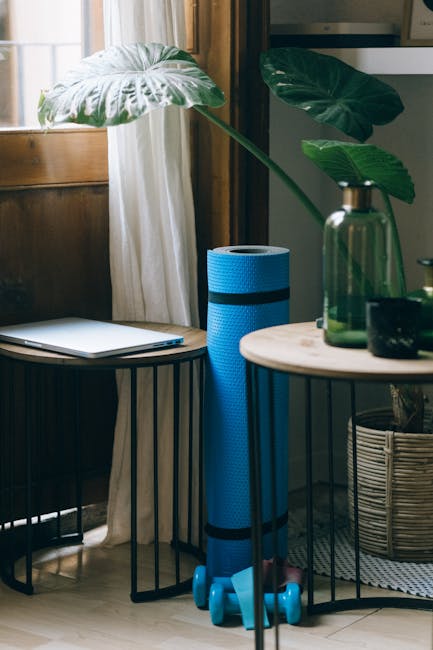
This comprehensive guide to home fitness provides accessible, effective beginner-friendly exercises designed to improve your physical health, energy levels, and mental clarity, all from the comfort of your own home. Discover routines compatible with any schedule and space, laying a solid foundation for your overall well-being and productivity.
Embarking on a journey towards better health doesn’t require an expensive gym membership or a dedicated personal trainer. The path to a stronger body and a sharper mind can begin right where you are: your home. For many, the idea of traditional gyms can be intimidating, inconvenient, or simply too costly. This is where the power of home fitness truly shines, offering an accessible and incredibly effective alternative for anyone looking to improve their physical well-being.
The beauty of home fitness lies in its unparalleled flexibility. Whether you have just 10 minutes to spare or an hour, whether you’re working with limited space or a sprawling living room, you can tailor a routine that fits your life perfectly. This article will guide you through the essentials of starting a successful home fitness regimen, focusing on beginner-friendly exercises that require little to no specialized equipment. We’ll explore cardiovascular movements, bodyweight strength training, and flexibility exercises, all designed to build a robust foundation for lasting health.
Beyond the obvious physical benefits—such as increased strength, improved endurance, and better flexibility—a consistent home fitness practice yields profound mental and emotional advantages. Regular exercise is a potent stress reliever, a mood enhancer, and a significant boost to cognitive function. For those on their ‘Work to Wealth’ journey, understanding that a healthy body fuels a productive mind is paramount. Your physical vitality directly impacts your capacity for focused work, innovative thinking, and sustained effort towards your financial goals.
Let’s delve into how you can transform your living space into your personal gym and cultivate a powerful habit that will serve you for years to come.
Establishing Your Home Fitness Foundation Safely
Before jumping into any exercise routine, especially when starting a new home fitness program, safety must be your top priority. While home workouts are generally low-risk, understanding basic precautions can prevent injuries and ensure a positive experience.
Consulting a Healthcare Professional
If you have any pre-existing health conditions, injuries, or concerns, it’s always advisable to consult with a healthcare provider before beginning any new exercise regimen. They can offer personalized advice and ensure that your chosen home fitness activities are safe and appropriate for your individual needs.
Listening to Your Body
One of the most crucial principles of home fitness for beginners is to listen carefully to your body. It’s normal to feel some muscle soreness (DOMS – Delayed Onset Muscle Soreness) after new exercises, but sharp pain is a clear signal to stop. Push yourself to challenge your muscles, but never to the point of discomfort or pain that feels “wrong.” Respect your body’s limits, especially in the initial stages.
The Importance of Warm-Up and Cool-Down
Every home fitness session should begin with a proper warm-up and end with a cool-down. These phases are non-negotiable for preventing injury and maximizing the effectiveness of your workout.
- Warm-Up (5-10 minutes): Focus on dynamic movements that increase your heart rate and prepare your muscles and joints for activity. Examples include marching in place, arm circles, leg swings, and gentle torso twists. The goal is to get your blood flowing and your body ready for action.
- Cool-Down (5-10 minutes): Gradually bring your heart rate down and perform static stretches, holding each stretch for 15-30 seconds without bouncing. This helps improve flexibility, reduce muscle soreness, and promotes recovery. Examples include hamstring stretches, quadriceps stretches, triceps stretches, and chest stretches.
Minimal Essential Equipment for Home Fitness
One of the greatest advantages of home fitness is that it requires very little equipment. You likely already have most of what you need.
- Comfortable Clothing: Choose attire that allows for a full range of motion and doesn’t restrict your movements.
- Supportive Footwear: While some exercises can be done barefoot, a good pair of athletic shoes can provide stability and cushioning, especially for higher-impact movements or if you have hard flooring.
- Water Bottle: Staying hydrated before, during, and after your workout is critical.
- Exercise Mat: A basic yoga or exercise mat provides cushioning for floor exercises and protects your joints.
- Towel: Useful for wiping sweat and providing extra grip.
- Chair or Wall: Often used as props for support or modified exercises.
Creating Your Dedicated Home Fitness Space
Even if it’s just a small corner of a room, designating a specific area for your home fitness activities can significantly boost consistency. This space doesn’t need to be elaborate; it just needs to be clear of clutter and safe. Ensure you have enough room to move freely without bumping into furniture or objects.
Core Principles of Effective Home Fitness for Beginners
To make your home fitness journey sustainable and effective, understanding a few core principles will be immensely helpful. These are the guiding lights for any successful exercise program, especially when starting out.
Consistency Over Intensity
For beginners, showing up consistently is far more important than pushing yourself to exhaustion. Aim for regular, manageable workouts rather than sporadic, overly intense sessions. Three to four 20-30 minute sessions per week are a great starting point for building a lasting home fitness habit.
Gradual Progression
Your body adapts over time. What feels challenging today will become easier tomorrow. The principle of progressive overload means gradually increasing the difficulty of your workouts to continue challenging your muscles and cardiovascular system. This could involve doing more repetitions, adding another set, performing exercises for longer durations, or moving to a more challenging variation of an exercise.
Focus on Form Over Speed
Correct exercise form is paramount for both effectiveness and injury prevention. It’s far better to do fewer repetitions with perfect form than many repetitions with poor form. Take your time, focus on the muscle you’re working, and ensure each movement is controlled and precise. Using a mirror or recording yourself can be helpful for self-correction in your home fitness routine.
Variety is the Spice of Life (and Fitness)
Incorporating a variety of exercises keeps your workouts interesting and ensures you’re working different muscle groups. Mix cardiovascular exercises with strength training and flexibility work. This holistic approach to home fitness leads to balanced physical development and prevents boredom.
Hydration and Basic Nutrition
While not strictly about the exercises themselves, proper hydration and a balanced diet are fundamental pillars supporting any home fitness effort. Fueling your body correctly provides the energy for workouts and the nutrients for recovery and muscle repair.
Beginner-Friendly Home Fitness Exercises
Now, let’s explore a range of exercises you can easily incorporate into your home fitness routine. These are categorized for clarity, but remember to mix and match to create balanced workouts.
Cardiovascular Exercises: Elevating Your Heart Rate at Home
Cardio, or aerobic exercise, strengthens your heart and lungs, improves circulation, and helps burn calories. These can be done in small spaces.
Marching in Place
- How to: Stand tall with your feet hip-width apart. Lift one knee towards your chest, then lower it while simultaneously lifting the other knee. Swing your arms naturally as if walking.
- Tips: Keep your core engaged. You can increase intensity by lifting knees higher or marching faster.
- Duration: Start with 2-3 minutes, gradually increasing to 5-10 minutes.
Modified Jumping Jacks
- How to: Stand with feet together, arms at your sides. Step one foot out to the side while simultaneously raising your arms out to the sides and overhead. Step the foot back in, bringing arms down. Repeat on the other side.
- Tips: This is a low-impact version. To increase intensity, perform full jumping jacks if comfortable.
- Repetitions/Duration: 10-15 repetitions per side, or for 1-2 minutes.
High Knees (Modified)
- How to: Stand in place. Lift one knee towards your chest, then quickly alternate with the other knee, as if jogging in place. For modified version, simply lift knees one at a time with control, not necessarily at a fast pace.
- Tips: Keep your core tight. Use your arms to help with momentum.
- Duration: 1-2 minutes.
Butt Kicks
- How to: Stand in place. Bring one heel towards your glutes, then quickly alternate with the other heel.
- Tips: Focus on engaging your hamstrings.
- Duration: 1-2 minutes.
Stair Climbing (If Applicable)
- How to: If you have stairs, simply walk or jog up and down them.
- Tips: Hold the handrail for balance if needed. This is excellent for leg strength and cardio.
- Duration: 5-10 minutes, or a set number of ascents.
Strength Training Exercises: Building Muscle with Bodyweight
Bodyweight exercises are perfect for home fitness because they use your own body’s resistance. They build functional strength, improve posture, and boost metabolism.
Squats (Chair-Assisted or Bodyweight)
- How to (Chair-Assisted): Stand in front of a sturdy chair, feet shoulder-width apart. Slowly lower your hips as if to sit, lightly tapping the chair before standing back up. Keep your chest lifted and knees tracking over your toes.
- How to (Bodyweight): Without the chair, lower your hips as if sitting into an imaginary chair, ensuring your thighs are parallel to the floor (or as low as comfortable) and your knees don’t go past your toes.
- Tips: Keep your core engaged and your back straight.
- Sets/Reps: 2-3 sets of 8-12 repetitions.
Lunges (Modified or Bodyweight)
- How to (Modified): Stand tall. Take a large step forward with one leg, then lower your hips until both knees are bent at approximately a 90-degree angle. Your back knee should hover just above the floor, and your front knee should be directly over your ankle. Push off your front foot to return to the starting position.
- Tips: For balance, hold onto a wall or chair. Keep your torso upright.
- Sets/Reps: 2-3 sets of 6-10 repetitions per leg.
Push-Ups (Wall, Incline, or Knee)
- How to (Wall Push-Up): Stand facing a wall, about arm’s length away. Place your hands on the wall slightly wider than shoulder-width apart. Lean in, bending your elbows until your chest is close to the wall. Push back to start.
- How to (Incline Push-Up): Place hands on a sturdy elevated surface (e.g., a counter, bench). The higher the surface, the easier it is. Lower your chest towards the surface, then push back up.
- How to (Knee Push-Up): Start on your hands and knees. Walk your hands forward until your body forms a straight line from your shoulders to your knees. Lower your chest towards the floor, then push back up.
- Tips: Keep your body in a straight line, engage your core.
- Sets/Reps: 2-3 sets of 8-15 repetitions, depending on the modification.
Plank (Knee or Full)
- How to (Knee Plank): Start on your forearms and knees. Ensure your elbows are directly under your shoulders. Keep your back straight, core engaged, and gaze down.
- How to (Full Plank): From your forearms, extend your legs back, resting on your toes. Your body should form a straight line from head to heels. Avoid sagging hips or raising them too high.
- Tips: Focus on keeping your core tight and breathing steadily.
- Duration: Hold for 20-45 seconds, 2-3 sets. Increase duration as you get stronger.
Glute Bridges
- How to: Lie on your back with knees bent, feet flat on the floor hip-width apart, arms by your sides. Pressing through your heels, lift your hips off the floor until your body forms a straight line from your shoulders to your knees. Squeeze your glutes at the top. Slowly lower back down.
- Tips: Keep your core engaged to protect your lower back.
- Sets/Reps: 2-3 sets of 10-15 repetitions.
Chair Dips
- How to: Sit on the edge of a sturdy chair. Place your hands on the edge of the chair next to your hips, fingers pointing forward. Slide your hips off the chair, supporting your weight with your arms. Bend your elbows and lower your body until your upper arms are parallel to the floor (or as far as comfortable). Push back up to the starting position.
- Tips: Keep your back close to the chair. For an easier version, keep your knees bent. For a harder version, extend your legs.
- Sets/Reps: 2-3 sets of 8-12 repetitions.
Calf Raises
- How to: Stand tall with your feet hip-width apart. You can hold onto a wall or chair for balance. Slowly raise up onto the balls of your feet, lifting your heels as high as possible. Hold briefly, then slowly lower your heels back down.
- Tips: Focus on a controlled movement both up and down.
- Sets/Reps: 2-3 sets of 15-20 repetitions.
Flexibility and Balance Exercises: Enhancing Mobility and Stability at Home
These exercises improve your range of motion, reduce stiffness, and help prevent falls. They are vital for overall well-being and complement strength training in your home fitness routine.
Basic Static Stretches (Hold each for 15-30 seconds)
- Hamstring Stretch: Sit on the floor with one leg extended, the other bent with your foot towards your inner thigh. Reach towards your extended foot.
- Quadriceps Stretch: Stand, holding onto a wall for balance. Grab one ankle and gently pull your heel towards your glutes.
- Triceps Stretch: Raise one arm overhead, bend your elbow so your hand goes behind your head. Use your other hand to gently press down on the bent elbow.
- Chest Stretch: Stand in a doorway, place your forearms on the doorframe, and gently lean forward.
- Shoulder Stretch: Bring one arm across your chest, using the other arm to gently pull it closer.
Yoga-Inspired Movements (Simplified)
- Cat-Cow Pose: Start on hands and knees. Inhale, arch your back, and look up (Cow). Exhale, round your spine, and tuck your chin to your chest (Cat). Flow smoothly between the two.
- Child’s Pose: Kneel on the mat, big toes touching, knees wide. Sink your hips back towards your heels, extending your arms forward or resting them by your sides. Rest your forehead on the mat.
- Downward-Facing Dog (Modified): Start on hands and knees. Lift your hips towards the ceiling, straightening your legs as much as comfortable. Your body should form an inverted V shape. Keep a slight bend in your knees if needed.
Single-Leg Stand for Balance
- How to: Stand tall, eyes focused on a fixed point. Slowly lift one foot off the floor, holding for as long as you can maintain balance.
- Tips: Start by holding onto a wall or chair, then try freestanding. Challenge yourself by closing your eyes (carefully!) once proficient.
- Duration: 30-60 seconds per leg, 2-3 sets.
Sample Home Fitness Routines for Progressive Growth
Consistency is key, and having a structured routine can help. Here are some sample weekly schedules for your home fitness journey, designed for beginners to gradually build strength and stamina.
Week 1-2: Foundation Building
Focus on learning proper form and getting your body accustomed to movement. Aim for 3-4 sessions per week, with rest days in between.
- Workout A (Full Body):
- Warm-up (5 minutes)
- Marching in place: 3-5 minutes
- Chair-assisted Squats: 2 sets of 10 reps
- Wall Push-Ups: 2 sets of 10-12 reps
- Knee Planks: 2 holds of 20 seconds
- Glute Bridges: 2 sets of 12-15 reps
- Cool-down & Stretches (5-10 minutes)
- Workout B (Cardio & Core):
- Warm-up (5 minutes)
- Modified Jumping Jacks: 3 sets of 1 minute
- High Knees (modified): 3 sets of 1 minute
- Knee Planks: 3 holds of 20 seconds
- Cat-Cow Pose: 2 sets of 8-10 repetitions
- Single-Leg Stand: 2 sets of 30 seconds per leg
- Cool-down & Stretches (5-10 minutes)
Week 3-4: Gentle Progression
Increase repetitions, duration, or try slightly more challenging variations. Aim for 3-4 sessions per week.
- Workout A (Full Body Strength):
- Warm-up (5 minutes)
- Bodyweight Squats: 3 sets of 12-15 reps
- Knee Push-Ups or Incline Push-Ups: 3 sets of 8-10 reps
- Lunges (modified): 3 sets of 8-10 reps per leg
- Full Planks (or extended Knee Planks): 3 holds of 30-45 seconds
- Chair Dips: 3 sets of 8-12 reps
- Cool-down & Stretches (5-10 minutes)
- Workout B (Cardio & Flexibility):
- Warm-up (5 minutes)
- Butt Kicks: 3 sets of 1-2 minutes
- Modified Jumping Jacks: 3 sets of 1-2 minutes
- Stair Climbing (if available): 10-15 minutes or 5-8 rounds
- Yoga-inspired movements (Child’s Pose, Downward Dog): 5-10 minutes
- Cool-down & Stretches (5-10 minutes)
Month 2-3: Sustained Effort and Customization
By now, you should feel stronger and more comfortable with the movements. Continue to progressively overload. Consider adding light handheld weights (like water bottles or small dumbbells) if you feel ready for extra challenge in squats or lunges. You can also start creating your own routines, mixing and matching exercises based on your preferences and what feels good.
Tips for Customizing Your Routine:
- Mix it Up: Don’t do the same workout every day. Alternate between strength-focused days, cardio days, and flexibility days.
- Listen to Your Body: Some days you’ll have more energy than others. Adjust your intensity accordingly.
- Time-Based Workouts: Instead of counting reps, try performing an exercise for a set amount of time (e.g., 45 seconds on, 15 seconds rest).
- Circuit Training: Perform a series of exercises back-to-back with minimal rest in between, then rest after completing all exercises in the circuit. Repeat the circuit 2-3 times. This is an excellent way to boost calorie burn and endurance in your home fitness sessions.
Motivation and Sticking With Your Home Fitness Journey
Starting is often the easiest part; continuing can be the challenge. Maintaining motivation in your home fitness routine is crucial for long-term success. Here are strategies to keep you going.
Setting Realistic Goals
Avoid setting unrealistic expectations that lead to burnout or disappointment. Instead of “I want six-pack abs in two weeks,” aim for “I will complete three 30-minute home fitness workouts this week.” Small, achievable goals build momentum and confidence.
Tracking Your Progress
Seeing how far you’ve come is a powerful motivator. Keep a simple workout journal (physical or digital). Note the exercises you did, number of reps/sets, duration, and how you felt. Seeing your strength or endurance improve over time is incredibly rewarding and reinforces your commitment to home fitness.
Finding Accountability
Even though you’re working out at home, you don’t have to go it alone. Share your goals with a friend or family member. Consider virtual workout groups or online communities where you can share progress and get encouragement. Knowing someone else is aware of your fitness journey can provide that extra push on challenging days.
Making It Enjoyable
If exercise feels like a chore, you’ll struggle to stick with it. Find ways to make your home fitness sessions enjoyable. Listen to your favorite music, podcasts, or audiobooks. Watch a fitness video you enjoy. Try different types of home workouts (e.g., dance fitness, online yoga classes) to prevent boredom.
Celebrating Small Victories
Acknowledge and celebrate every milestone, no matter how small. Completing a week of consistent workouts, adding an extra rep, holding a plank longer, or simply showing up when you didn’t feel like it—these are all wins worthy of recognition. Positive reinforcement strengthens your habit.
Overcoming Plateaus and Setbacks
It’s normal to hit plateaus where progress slows, or to experience setbacks like missed workouts due to illness or busy schedules. Don’t let these derail your entire home fitness plan. If you miss a day, just pick up where you left off. If you’re plateauing, try a new exercise, increase intensity slightly, or change your routine. Consistency is about showing up again and again, even after a stumble.
Integrating Fitness into Daily Life (Micro-Workouts)
Sometimes, a full workout isn’t possible. On those days, look for opportunities for “micro-workouts” or active breaks. Do a few squats while waiting for water to boil, take a brisk 10-minute walk during a work break, or do a set of push-ups every time you enter a room. These small bursts of activity add up and keep your body moving.
Nutrition and Recovery for Optimal Home Fitness Results
Your efforts in home fitness will be significantly enhanced by paying attention to what you eat and how well you recover. Exercise is only one piece of the health puzzle.
The Basics of Healthy Eating
You don’t need a complex diet plan. Focus on whole, unprocessed foods:
- Hydration: Drink plenty of water throughout the day, especially before, during, and after your workouts. Water is vital for energy, metabolism, and joint lubrication.
- Lean Proteins: Include sources like chicken, fish, beans, lentils, or tofu to support muscle repair and growth.
- Complex Carbohydrates: Opt for whole grains, fruits, and vegetables for sustained energy.
- Healthy Fats: Incorporate avocados, nuts, seeds, and olive oil for overall health and nutrient absorption.
- Limit Processed Foods: Reduce intake of sugary drinks, highly processed snacks, and excessive unhealthy fats.
The Importance of Sleep
Sleep is when your body repairs and rebuilds itself. Aim for 7-9 hours of quality sleep per night. Poor sleep can impair performance, slow recovery, and even increase cravings for unhealthy foods.
Active Recovery
On rest days or after intense workouts, light activity can aid recovery by increasing blood flow to muscles. This could be a gentle walk, some light stretching, or a slow yoga session. Active recovery helps reduce soreness and prepares your body for the next home fitness session.
Connecting Home Fitness to Your ‘Work to Wealth’ Journey
At ‘Work to Wealth’, we emphasize that true wealth extends beyond just financial assets. It encompasses your well-being, your capacity to perform, and your longevity to enjoy the fruits of your labor. Your commitment to home fitness directly contributes to these aspects in profound ways:
- Increased Energy for Work: Regular exercise boosts your stamina and energy levels, allowing you to tackle demanding workdays with greater vigor and less fatigue. This means more productive hours and a higher quality of output.
- Improved Focus and Mental Clarity: Physical activity enhances blood flow to the brain, improving cognitive functions such as concentration, problem-solving, and memory. A sharper mind is a significant asset in any professional endeavor and in making astute financial decisions.
- Reduced Stress and Better Decision-Making: Exercise is a powerful antidote to stress, releasing endorphins that naturally elevate mood. Reduced stress leads to clearer thinking, less emotional decision-making, and a greater capacity to navigate challenges in your work and financial life.
- Lower Healthcare Costs in the Long Run: A healthy lifestyle, including consistent home fitness, is a proactive investment in your future. By reducing the risk of chronic diseases, you can potentially lower long-term healthcare expenses, freeing up more resources for saving and investing.
- Longevity to Enjoy Your Wealth: What good is building wealth if you don’t have the health to enjoy it? Prioritizing your physical well-being ensures you have the vitality and years ahead to pursue your passions, spend time with loved ones, and experience the freedom that wealth provides.
- Discipline Translates to Financial Habits: The discipline, consistency, and goal-setting required for a successful home fitness routine are transferable skills directly applicable to managing your finances. Learning to consistently save, invest, and avoid impulsive financial decisions mirrors the sustained effort needed to build physical strength.
Embracing home fitness isn’t just about looking good; it’s about feeling good, performing better, and living a fuller, more prosperous life. It’s an investment that pays dividends across every aspect of your well-being, contributing significantly to your holistic ‘Work to Wealth’ journey.
Start small, stay consistent, and celebrate every step. Your body, your mind, and your financial future will thank you for it.
Frequently Asked Questions
How can I stay motivated with home fitness when I feel stuck or lose momentum?
Maintaining motivation for home fitness, especially when feeling stuck, often benefits from setting realistic, small goals and tracking your progress. Celebrate minor victories, no matter how small, like completing a workout when you didn’t feel like it. Try injecting variety into your routine with new exercises or different music to keep things fresh. Finding a virtual accountability partner or joining an online community can provide external encouragement, and remembering why you started (e.g., increased energy for work, better focus) can help reconnect you to your deeper purpose.
Is home fitness truly effective for building strength and endurance without a gym or heavy equipment?
Absolutely, home fitness can be incredibly effective for building strength and endurance using just your body weight. Exercises like squats, lunges, push-ups (modified as needed), and planks provide ample resistance to challenge your muscles and stimulate growth. Cardiovascular exercises such as marching in place, jumping jacks, and high knees elevate your heart rate, improving endurance. The key is consistent application of progressive overload – gradually increasing reps, sets, or holding times, or moving to more challenging exercise variations as you get stronger.
What are the absolute essentials I need to start home fitness today without any purchases?
To start your home fitness journey today with virtually no purchases, you primarily need comfortable clothing that allows for full range of motion, a water bottle for hydration, and a small clear space in your home free of clutter. A sturdy chair or a wall can be used for support or to modify exercises. While an exercise mat can add comfort for floor exercises, it’s not strictly essential to begin; a carpeted area or towel can suffice. Your own body weight and determination are your most important tools.
How do I prevent injuries when doing exercises at home as a beginner?
Preventing injuries in home fitness as a beginner relies on a few critical practices. Always start with a proper warm-up to prepare your muscles and joints, and finish with a cool-down and static stretches. Prioritize correct form over speed or the number of repetitions; if you’re unsure, watch instructional videos or use a mirror. Listen to your body and never push through sharp pain. Gradually increase the intensity or duration of your workouts, allowing your body time to adapt. If you have any health concerns, consult a healthcare professional before starting.
Can home fitness help with my focus and productivity for my work goals, or is it just for physical health?
Home fitness offers significant benefits far beyond just physical health, directly impacting your focus and productivity for work goals. Regular physical activity increases blood flow to the brain, enhancing cognitive functions like concentration, memory, and problem-solving. It’s also a powerful stress reliever, which can lead to clearer thinking and better decision-making. By boosting your energy levels and mood, a consistent home fitness routine empowers you to approach your work with greater vigor, mental clarity, and sustained effort, ultimately supporting your wealth-building journey.