

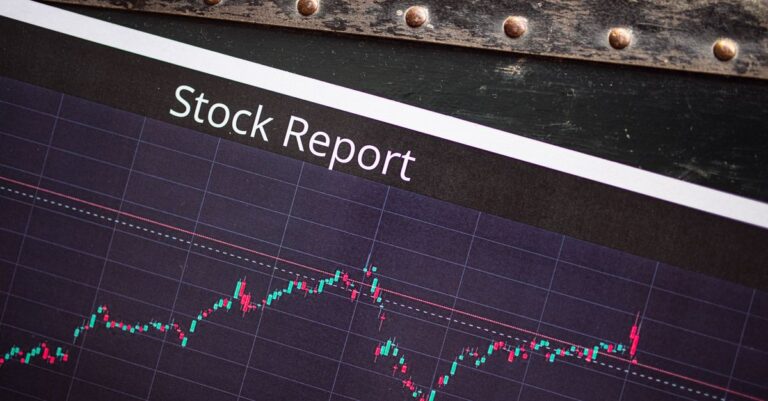
Navigating stock market volatility is key for long-term wealth. Learn practical strategies to stay disciplined and focused, transforming market swings into opportunities.
The daily headlines often paint a picture of dramatic shifts in the financial world. One day, chipmakers rally, propelling major indices upward. The next, a slight dip in futures or concerns over global events can create a sense of unease. For many, this constant ebb and flow of the stock market can feel daunting, leading to uncertainty about where to put their hard-earned money. It’s a common experience for investors to feel swayed by these immediate movements, yet understanding how to effectively manage your portfolio during times of stock market volatility is crucial for long-term financial success.
Focusing on the immediate ups and downs can be a significant distraction from your broader financial objectives. While it’s natural to track investments, a disciplined approach looks beyond the daily noise. This article will explore actionable strategies to help you navigate market fluctuations with confidence, ensuring your wealth-building journey remains on track, regardless of short-term headlines.
Understanding Stock Market Volatility: More Than Just Daily Dips
Volatility is an inherent characteristic of financial markets, representing the rate at which the price of an investment increases or decreases over a particular period. It’s often measured by the standard deviation of returns, indicating how much the price deviates from its average. Factors like economic reports, geopolitical events, company earnings, and even investor sentiment can all contribute to periods of increased market movement.
It’s important to distinguish between normal market fluctuations and true instability. A few percentage points up or down in a day or week are often part of the market’s natural rhythm. These movements are not always indicative of a fundamental shift in economic conditions or the long-term prospects of sound investments. Experienced investors understand that these movements, while sometimes sharp, are a feature, not a bug, of efficient capital markets.
The Danger of Emotional Reactions to Market Swings
One of the biggest pitfalls investors face during periods of market turbulence is making emotional decisions. When prices fall, the natural instinct can be to panic and sell off investments to prevent further losses. Conversely, when the market is surging, there’s often a temptation to chase hot stocks or invest more aggressively than your risk tolerance allows.
This reactive behavior often leads to buying high and selling low, directly undermining the principle of long-term wealth accumulation. Regularly reacting to every market blip can erode portfolio value and make it incredibly difficult to achieve financial goals. A significant observation from seasoned investors is that the most damaging actions are often taken out of fear or greed, not sound financial analysis.
Anchor Your Strategy: Long-Term Vision in Volatile Times
The antidote to short-term emotional trading is a steadfast commitment to a well-defined long-term investment strategy. Before you even invest a single dollar, it’s vital to clarify your financial goals, your timeline, and your personal risk tolerance. Are you saving for retirement decades away, a child’s education in 15 years, or a down payment on a house in five?
Your investment horizon heavily influences the level of risk you can comfortably take. For long-term goals, such as retirement, you generally have more time to recover from market downturns, making equity investments more suitable despite their inherent volatility. A clear understanding of your objectives provides a crucial anchor when daily market news tries to pull you off course.
Diversification: Your Essential Shield Against Concentrated Risk
Never put all your eggs in one basket. This age-old adage holds profound truth in investing, especially when facing market uncertainty. Diversification involves spreading your investments across various asset classes, industries, geographic regions, and even types of securities.
For example, a diversified portfolio might include a mix of stocks, bonds, real estate investment trusts (REITs), and perhaps some international exposure. Within equities, you could hold shares in large-cap, mid-cap, and small-cap companies across different sectors, like technology, healthcare, and consumer staples. The goal is that if one part of your portfolio underperforms, other parts may perform well, helping to balance overall returns and reduce the impact of any single negative event.
A common mistake is thinking diversification only means owning many stocks. True diversification goes deeper, ensuring your exposure isn’t overly reliant on any one factor, such as the performance of a specific type of memory chip or a single country’s economy. This thoughtful spread minimizes the impact of sector-specific downturns or company-specific news.
Embrace Dollar-Cost Averaging for Consistent Growth
One of the most powerful strategies to mitigate the effects of stock market volatility is dollar-cost averaging. This involves investing a fixed amount of money at regular intervals, regardless of market conditions. For example, contributing $200 to your investment account every two weeks, rather than trying to time the market with a lump sum.
When prices are high, your fixed contribution buys fewer shares. When prices are low (during a market dip), the same fixed contribution buys more shares. Over time, this averages out your purchase price, reducing the risk of investing a large sum right before a market downturn. It takes the emotion out of investing and automates a disciplined approach that benefits from market fluctuations over the long run.
Rebalancing Your Portfolio: Keeping Your Goals in Sight
As market conditions change and investments perform differently, your portfolio’s original asset allocation can drift. Rebalancing is the process of adjusting your portfolio back to your target asset allocation. If, for instance, your stocks have performed exceptionally well, they might now constitute a larger percentage of your portfolio than your initial plan.
To rebalance, you would sell some of your top-performing assets and buy more of your underperforming assets (or those that have fallen below their target weight). This isn’t just about managing risk; it’s a systematic way of “selling high and buying low.” Rebalancing ensures your portfolio’s risk level remains appropriate for your goals and continually aligns with your long-term strategy, preventing any single asset class from dominating unexpectedly.
Stay Informed, Not Obsessed: Practical Information Without Panic
While it’s wise to be aware of the broader economic landscape and market trends, constantly checking stock tickers or reacting to every breaking news alert can be detrimental. Distinguish between substantive economic data and speculative headlines. Major economic reports, interest rate decisions by central banks, and geopolitical shifts warrant attention, but daily market commentary often reflects short-term noise.
Develop a habit of reviewing your portfolio periodically, perhaps quarterly or semi-annually, rather than daily. This allows you to assess performance against your long-term goals without getting caught in the emotional rollercoaster of short-term movements. Focus on the underlying fundamentals of your investments and the trajectory of your overall financial plan, rather than transient market movements.
Leveraging Expertise: When to Seek Financial Guidance
For some investors, especially those with complex financial situations or those who find market volatility particularly stressful, seeking advice from a trusted financial advisor can be invaluable. A qualified professional can help you define your goals, create a personalized investment strategy, and provide a rational perspective during turbulent times. They can also assist with tax-efficient investing, retirement planning, and estate considerations.
Even if you prefer a self-directed approach, resources from reputable financial institutions and educational platforms can offer insights and tools to enhance your decision-making. The key is to make informed choices based on a robust financial plan, rather than impulsive reactions to market headlines. Staying calm and sticking to your well-thought-out strategy during periods of stock market volatility is a hallmark of successful long-term investing.
Frequently Asked Questions
How can I avoid panic selling during a significant market downturn?
To avoid panic selling, focus on your long-term financial goals and remember that market downturns are a normal part of the investment cycle. Having a diversified portfolio and employing dollar-cost averaging can reduce the emotional impact of volatility. Revisit your original investment plan and risk tolerance—if they were sound, sticking to them is usually the best course of action.
Is it wise to invest new money during periods of high market volatility?
Historically, periods of market volatility often present opportunities for long-term investors. If you have cash available and a consistent investment strategy, continuing to invest through dollar-cost averaging can be beneficial. You’ll purchase more shares when prices are lower, potentially leading to greater returns when the market recovers. However, ensure any new investment aligns with your overall financial plan and risk profile.
How does diversification help when the entire market is falling?
While extreme downturns can impact nearly all asset classes, diversification helps mitigate the damage. Different assets react differently to economic conditions. For example, bonds may offer some stability when stocks decline. A diversified portfolio ensures that you’re not overly exposed to any single sector or company that might be hit harder than others, smoothing out overall portfolio performance during tough times.
What is the optimal frequency for rebalancing my investment portfolio?
The optimal frequency for rebalancing typically depends on your investment strategy and market conditions, but most investors find rebalancing annually or semi-annually to be sufficient. Some prefer to rebalance when an asset class deviates by a certain percentage (e.g., 5-10%) from its target allocation. The key is consistency and ensuring your portfolio risk level remains aligned with your financial goals.