

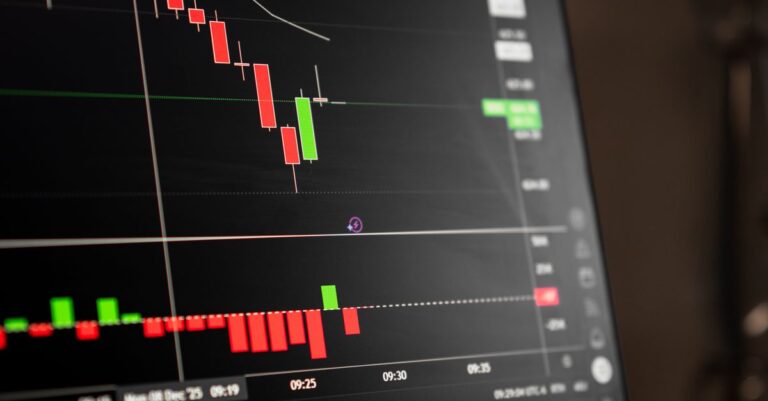
Geopolitical events and market swings can rattle portfolios. Learn how to confidently respond to market volatility with sound financial strategies.
The recent reports of global tensions impacting market futures, following a notable winning streak for the S&P 500, serve as a potent reminder: market volatility is an undeniable reality of investing. It’s a force that can provoke anxiety, incite fear, and tempt even the most seasoned investors to make impulsive decisions. When the broad market index experiences a sudden dip, or when geopolitical events fuel uncertainty, it’s easy to feel a sense of dread about your portfolio.
However, successful long-term investing isn’t about avoiding market swings; it’s about managing market volatility effectively. Instead of panicking, these periods offer a crucial test of your financial fortitude and the robustness of your investment plan. Understanding how to react, and more importantly, how to plan ahead, can transform a stressful situation into an opportunity for strategic refinement.
Understanding the Nature of Market Volatility
Market volatility refers to the rate at which the price of a security or market index increases or decreases over a given period. It’s often measured by standard deviation or variance, reflecting how much the market’s price deviates from its average.
This fluctuation can be triggered by a multitude of factors: economic data releases, corporate earnings, interest rate changes, political events, and even global conflicts, as we’ve recently observed. It’s crucial to distinguish between short-term noise and the underlying long-term trends. While daily news cycles can create significant price swings, they don’t always alter the fundamental trajectory of strong companies or a well-diversified economy.
The Emotional Traps of Market Swings
One of the biggest challenges in investing is managing your own emotions. When markets are surging, there’s a temptation to chase returns, taking on excessive risk out of fear of missing out. Conversely, when markets fall sharply, fear can lead investors to sell assets at a loss, effectively locking in those losses and missing out on potential recoveries.
This emotional roller coaster can derail even the most carefully constructed financial plans. Making decisions based on fear or greed often leads to poor outcomes. Developing a disciplined approach and sticking to it, especially during tumultuous times, is paramount.
Observation 1: Don’t Try to Time the Market
After years of observing market cycles, one consistent truth emerges: consistently timing the market is a futile endeavor. Many investors, myself included, have learned this lesson the hard way. During periods of heightened market volatility, the urge to sell at the top or buy at the bottom becomes incredibly strong.
However, the market’s turning points are rarely obvious until well after they’ve occurred. Attempting to jump in and out often results in missing the best recovery days, which frequently follow the worst downturns. A better strategy involves staying invested according to your long-term plan and focusing on aspects you can control, like your asset allocation and savings rate.
Observation 2: Cash Flow is Your Lifeline During Uncertainty
Another crucial observation from navigating multiple market downturns is the sheer importance of robust cash flow and an emergency fund. When markets are uncertain, the last thing you want is to be forced to sell investments to cover immediate expenses or unexpected costs.
Having a well-funded emergency account, typically covering three to six months of living expenses, provides a vital buffer. This liquidity ensures you can weather personal financial storms without having to liquidate assets in a depressed market. It offers peace of mind and allows your long-term investments the necessary time to recover.
Practical Lessons for Managing Market Volatility
While the market’s movements are beyond your control, your response to them is entirely within your power. Here are practical strategies to help you navigate turbulent times with greater confidence.
Diversification: Your Primary Defense Strategy
Diversification is the bedrock of any resilient investment portfolio. It means spreading your investments across various asset classes, industries, and geographies to reduce risk. Instead of putting all your eggs in one basket, you allocate capital to a mix of stocks, bonds, cash, and potentially other alternative assets.
When one part of your portfolio is underperforming, another might be holding steady or even gaining. For instance, during a stock market decline, high-quality bonds often perform relatively better, balancing out some of the losses. Regular review of your diversification strategy, perhaps with a trusted financial advisor, ensures it remains aligned with your risk tolerance and goals.
Rebalancing with Purpose, Not Panic
Market volatility provides an excellent opportunity for strategic rebalancing. Rebalancing involves adjusting your portfolio back to your original target asset allocation. If stocks have performed exceptionally well, they might now represent a larger portion of your portfolio than you initially intended, increasing your risk exposure.
During a market dip, some of your assets might have fallen below their target weight. Rebalancing means selling some assets that have grown (if you’re above your target) and buying more of those that have fallen (if you’re below your target). This is a disciplined approach to “buy low and sell high” without trying to predict market movements, naturally helping with managing market volatility.
Investing in Quality Over Hype
In volatile markets, the true value of sound fundamental analysis becomes evident. Instead of chasing speculative trends or “hot” stocks, focus on companies with strong balance sheets, consistent earnings, manageable debt, and proven business models. These are the companies more likely to weather economic storms and geopolitical shocks.
While their stock prices might still fluctuate with the broader market, their underlying business strength provides a greater degree of resilience. Doing your due diligence, or investing in broad market index funds from reputable providers, can offer exposure to a basket of such quality businesses without the need for individual stock picking.
Regularly Reviewing Your Risk Tolerance and Goals
Market volatility is an ideal time to check in with yourself about your risk tolerance. Has your comfort level with market fluctuations changed? Have your financial goals or timelines shifted? Perhaps you’re closer to retirement than when you first set up your portfolio, suggesting a need for a more conservative allocation.
An honest assessment of these factors ensures your investment strategy remains appropriate for your current life stage and objectives. It’s not about abandoning your plan but ensuring it still fits your evolving circumstances.
Embrace Volatility as a Natural Market Rhythm
Ultimately, managing market volatility is about adopting a long-term perspective and developing a resilient financial framework. Market downturns are an inherent part of the investment landscape, not an anomaly to be feared. By understanding their nature, controlling your emotional responses, maintaining robust cash reserves, and employing disciplined strategies like diversification and rebalancing, you can navigate these periods successfully.
View market corrections not as crises, but as regular market adjustments and, potentially, opportunities. With a thoughtful plan and unwavering discipline, you can emerge from volatile periods stronger and closer to your financial goals.
Frequently Asked Questions
How can I reduce my anxiety about market dips?
Reducing anxiety about market dips often starts with education and preparation. Understand that market fluctuations are normal and temporary within a long-term investing horizon. Ensure you have an adequate emergency fund to avoid selling investments prematurely, and focus on a well-diversified portfolio aligned with your risk tolerance. Regularly reviewing your financial plan and avoiding daily market news overload can also significantly help.
Should I sell my investments when the market is falling?
Generally, selling investments during a market downturn is not advisable. This action locks in losses and means you miss out on potential recovery. For long-term investors, the best strategy is often to remain disciplined and stick to your predetermined investment plan. Market recoveries can be swift and unpredictable, making it difficult to time re-entry effectively.
What is diversification, and how does it help with market volatility?
Diversification is the strategy of spreading your investments across various asset classes (like stocks, bonds, and cash), industries, and geographical regions. It helps mitigate market volatility by reducing the impact of poor performance in any single asset or sector. When one part of your portfolio struggles, another might perform well, balancing the overall impact and making your portfolio more resilient to swings.
How often should I review my portfolio during uncertain times?
While it’s wise to avoid reacting to daily market movements, reviewing your portfolio periodically, such as quarterly or semi-annually, is good practice. During uncertain times, a slightly more frequent, but still systematic, review (e.g., every quarter) can help ensure your asset allocation remains aligned with your long-term goals and risk tolerance. The key is to review with a plan, not to panic and make impulsive changes.