

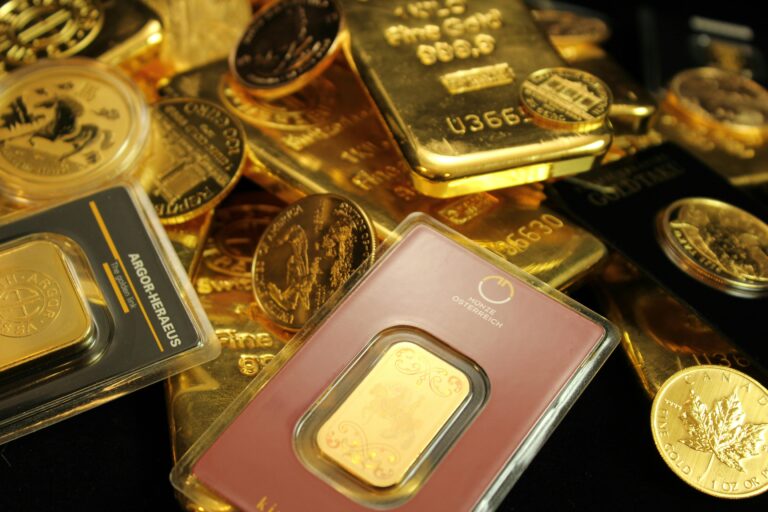
Explore Gold investment as a bedrock for wealth. This guide unpacks its enduring appeal, offering strategies to fortify your portfolio against economic shifts, suitable for all investors.
Gold investment has long captured the human imagination, not just for its inherent beauty, but more importantly, for its enduring role as a symbol and store of wealth. In an increasingly complex global economy, understanding the nuances of Gold investment is paramount for individuals seeking to preserve and grow their capital. This comprehensive guide delves into why gold remains a critical component of a robust financial strategy, exploring its historical significance, modern applications, and the various avenues through which one can incorporate this precious metal into their portfolio. From its role as a safe haven during economic turmoil to its potential as a hedge against inflation, Gold investment offers a unique set of benefits that differentiate it from other asset classes.
The journey into understanding Gold investment begins with recognizing its fundamental attributes that have made it a coveted asset for millennia. Unlike paper currencies or digital assets, gold possesses intrinsic value, rooted in its rarity, durability, and universal acceptance. These qualities have allowed it to transcend geographical boundaries and economic systems, serving as a reliable medium of exchange and a robust store of value across diverse civilizations and epochs. For contemporary investors, this historical precedent offers a powerful reassurance of its long-term viability and stability, especially when confronted with the transient nature of modern financial instruments.
Today, the landscape of Gold investment is more diverse than ever. Investors can choose from a range of options, from holding physical bullion to participating in sophisticated financial instruments linked to gold’s price. Each method presents its own advantages and considerations, catering to different risk appetites, investment horizons, and logistical preferences. Navigating these options effectively requires a clear understanding of market dynamics, geopolitical influences, and personal financial goals. This article aims to demystify these complexities, providing actionable insights for both novice and experienced investors looking to enhance their portfolio’s resilience and potential for growth through strategic Gold investment.
Why Gold Investment Remains a Pillar of Wealth Preservation
The rationale behind Gold investment extends far beyond mere tradition; it is grounded in fundamental economic principles and observable market behaviors. In an era marked by fluctuating interest rates, geopolitical tensions, and inflationary pressures, gold consistently demonstrates its value as a counter-cyclical asset. Its ability to perform independently, or even inversely, to traditional financial markets makes it an invaluable tool for diversification, smoothing out portfolio volatility and offering a degree of stability that few other assets can match.
Gold as a Timeless Store of Value
One of the most compelling arguments for Gold investment is its undisputed status as a store of value. Throughout history, societies have turned to gold in times of uncertainty, recognizing its ability to retain purchasing power even when currencies falter or economic systems collapse. This characteristic is particularly relevant today, as global monetary policies often involve quantitative easing and low interest rates, which can erode the value of fiat currencies over time. Gold, being a finite resource, cannot be arbitrarily created, thus safeguarding its scarcity and inherent worth. This makes it a reliable vault for wealth across generations, providing peace of mind to those concerned about the long-term erosion of capital.
The Safe-Haven Appeal of Gold Investment
When global markets experience turmoil, whether due to economic recessions, political instability, or widespread crises, investors often flock to safe-haven assets. Gold consistently ranks at the top of this list. Its price tends to rise during periods of fear and uncertainty, as investors seek refuge from volatile stocks and bonds. This flight to safety illustrates gold’s role as a reliable anchor in a storm, offering a protective buffer against systemic risks. The demand for Gold investment during such times is not merely speculative; it reflects a fundamental human desire for security and stability when other investments appear precarious.
A Potent Hedge Against Inflation
Inflation, the insidious erosion of purchasing power, is a constant threat to savings and investments. As the cost of goods and services rises, the real value of cash and fixed-income assets diminishes. Gold investment has historically served as an effective hedge against inflation. When inflationary pressures mount, the demand for gold often increases, driving up its price and allowing it to maintain its real value. This is because gold’s value is not tied to any single government’s fiscal policy or the performance of specific industries. Instead, it acts as an alternative currency that typically performs well when traditional currencies lose their luster due to inflationary forces.
Shielding Against Currency Depreciation with Gold
Similar to its role as an inflation hedge, Gold investment also provides protection against currency depreciation. Since gold is priced globally in major currencies, particularly the US Dollar, a weakening of any national currency can make gold more expensive in local terms, effectively increasing its value for local investors. This is especially pertinent for individuals in economies experiencing rapid currency devaluation or significant economic instability. Gold acts as a universally accepted asset that doesn’t rely on the credibility of any specific issuer or government, offering a strong defense when domestic currencies face severe pressures.
Who is Investing in Gold and Why?
The profile of a Gold investment holder is surprisingly diverse, ranging from powerful financial institutions to individual savers. Each group is motivated by distinct objectives, yet all converge on gold’s unique properties as a store of value and a risk mitigator. Understanding these various stakeholders helps to paint a complete picture of gold’s market dynamics and its enduring appeal.
Central Banks: The Largest Gold Holders
Central banks across the globe are significant participants in the Gold investment market, holding vast reserves as part of their national assets. Their motivations are multifaceted. Primarily, gold serves as a critical component in diversifying their foreign exchange reserves, reducing reliance on any single fiat currency. During turbulent economic periods, high gold reserves can signal strength and solvency, fostering trust in a country’s economy and currency. According to data from the World Gold Council, central banks added a substantial 1,136 tonnes of gold, valued at approximately $70 billion, to their reserves in 2022. This marked the highest yearly purchase since records began, with central banks from emerging economies, such as China, India, and Turkey, rapidly increasing their holdings. This aggressive accumulation underscores gold’s perceived stability and importance in national financial strategies.
Individual Investors and Wealth Managers
Beyond institutional players, individual investors and professional wealth managers constitute a massive segment of the Gold investment market. For individuals, gold often represents a tangible link to wealth and security. It is viewed as a foundational asset for long-term savings, providing peace of mind against unforeseen economic downturns. Wealth managers frequently recommend a strategic allocation to gold within diversified portfolios to enhance stability and reduce overall risk. Their objective is to leverage gold’s inverse correlation with other assets to achieve more consistent returns and protect client capital during periods of market volatility. This strategic integration of gold reflects a sophisticated understanding of its role in hedging against systemic risks and preserving purchasing power over extended periods.
Gold Investment’s Correlation with Other Assets
The strategic advantage of Gold investment often lies in its correlation, or lack thereof, with other major asset classes. Understanding these relationships is crucial for effective portfolio diversification and risk management. Gold typically exhibits distinct behaviors compared to traditional financial instruments like stocks, bonds, and fiat currencies.
Inverse Relationship with the US Dollar
One of the most widely observed correlations for Gold investment is its inverse relationship with the US Dollar. Since gold is globally priced in dollars (XAU/USD), a weakening US Dollar generally makes gold cheaper for buyers holding other currencies, thereby increasing demand and driving up its dollar price. Conversely, a strengthening US Dollar tends to make gold more expensive for international buyers, potentially suppressing demand and gold prices. This dynamic highlights gold’s role as an alternative currency and a hedge against dollar depreciation. Investors often turn to gold when confidence in the dollar wanes, viewing it as a more stable store of value in comparison.
Gold and US Treasuries: A Divergent Path
Gold also often shares an inverse correlation with US Treasuries, which are considered another major safe-haven asset. When economic uncertainty rises, both gold and Treasuries can attract capital. However, their relationship is often influenced by interest rates. As a yield-less asset, gold tends to become more attractive when real interest rates (nominal rates minus inflation) are low or negative, reducing the opportunity cost of holding gold instead of interest-bearing bonds. Conversely, higher interest rates, which boost the attractiveness of Treasuries and other fixed-income investments, typically weigh down on Gold investment prices. This interplay demonstrates how gold’s value proposition shifts in response to the broader interest rate environment.
Counter-Cyclical Behavior with Risk Assets
Gold investment often displays a counter-cyclical relationship with risk assets such as equities. During periods of strong economic growth and robust stock market performance, investors tend to favor higher-yielding, riskier assets, leading to a diminished demand for gold. However, during market downturns, economic recessions, or significant sell-offs in riskier markets, gold’s safe-haven appeal intensifies, causing its price to rise. This inverse correlation provides a crucial diversification benefit, as gold can help mitigate losses in a portfolio when stock markets are struggling. It acts as a financial shock absorber, offering stability precisely when other investments are most volatile.
Factors Influencing the Price of Gold Investment
The price of Gold investment is not static; it responds to a complex interplay of global economic, political, and financial factors. Understanding these drivers is essential for any investor aiming to make informed decisions about gold allocation. While some factors exert a continuous influence, others can trigger sharp, short-term movements.
Geopolitical Instability and Fear
One of the most immediate and impactful drivers of Gold investment prices is geopolitical instability. Conflicts, political crises, trade wars, or widespread social unrest can quickly escalate investor fear and uncertainty. In such scenarios, the perceived safety and universal acceptance of gold lead to a rapid increase in demand, pushing prices upward. Investors view gold as a reliable asset that is less susceptible to the immediate disruptions affecting national economies or specific markets. This ‘fear factor’ often causes sharp, rapid spikes in gold’s value as capital flees riskier assets.
Fears of a Deep Recession
Economic downturns, especially fears of a deep or prolonged recession, significantly impact Gold investment demand. During recessions, corporate earnings decline, unemployment rises, and stock markets typically fall. In this environment, investors seek assets that can preserve capital, and gold often fits this role perfectly. Its historical resilience during economic contractions makes it an attractive refuge. The expectation of lower returns from traditional investments further enhances gold’s appeal, causing its price to escalate as more capital flows into the precious metal.
Interest Rate Environment
The prevailing interest rate environment plays a crucial role in determining the attractiveness of Gold investment. As a yield-less asset, gold does not offer interest payments or dividends. Therefore, when interest rates are high, the opportunity cost of holding gold increases, as investors could earn a return by investing in bonds or savings accounts. Conversely, when interest rates are low or negative, the opportunity cost decreases, making gold relatively more attractive. Lower rates also often signal potential inflation or economic weakness, both of which are supportive of gold prices.
US Dollar Strength
As previously discussed, the strength of the US Dollar is a significant determinant of Gold investment prices. Since gold is typically benchmarked against the US Dollar, a strong dollar makes gold more expensive for those holding other currencies, potentially dampening demand and pushing prices down. Conversely, a weaker dollar makes gold cheaper for international buyers, stimulating demand and generally leading to higher dollar-denominated gold prices. This dynamic means that fluctuations in the foreign exchange markets, particularly involving the US Dollar, are closely watched by gold investors.
Supply and Demand Dynamics
Beyond financial and geopolitical factors, fundamental supply and demand dynamics also influence Gold investment prices. Supply is primarily driven by mining output, recycling, and central bank sales (though central banks have largely been net buyers in recent years). Demand comes from various sources: jewelry fabrication, industrial uses (e.g., electronics, dentistry), investment demand (bars, coins, ETFs), and central bank purchases. Significant changes in any of these components—such as a major new gold discovery, a shift in jewelry trends, or a sudden surge in investment sentiment—can impact gold’s market price. Given that mining output is relatively stable and slow to react to price changes, shifts in demand, particularly investment demand, often have a more immediate impact on prices.
Diverse Avenues for Gold Investment
Investing in gold is not a one-size-fits-all endeavor. There are multiple ways to gain exposure to Gold investment, each with its own set of advantages, disadvantages, and suitability for different investor profiles. Understanding these various avenues allows investors to choose the method that best aligns with their financial goals, risk tolerance, and logistical preferences.
Physical Gold: Bars and Coins
The most traditional form of Gold investment is through physical ownership of gold bars, coins, or bullion. This method offers tangible security and direct ownership of the asset. Investors can purchase a variety of sizes and denominations from reputable dealers, mints, or financial institutions.
- Advantages: Direct ownership, no counterparty risk, tangible asset for wealth preservation, can be a hedge against extreme financial collapse.
- Disadvantages: Requires secure storage (safe deposit box, home vault), which incurs costs; insurance is often necessary; can be illiquid compared to other forms; premiums over spot price and potential for assaying costs when selling.
Gold Exchange-Traded Funds (ETFs)
Gold ETFs provide a convenient and liquid way to invest in gold without the need for physical storage. These funds typically track the price of gold by holding physical gold bullion on behalf of their investors or through gold futures contracts.
- Advantages: High liquidity (can be bought and sold like stocks), lower transaction costs compared to physical gold, no storage or insurance concerns, accessible through standard brokerage accounts.
- Disadvantages: No direct physical ownership; investors rely on the fund’s integrity and custodian; management fees can erode returns over time; potential for tracking error (the ETF’s price may not perfectly match the spot price of gold).
Gold Mining Stocks
Investing in the shares of gold mining companies offers indirect exposure to Gold investment. The profitability of these companies is closely tied to the price of gold, but also to their operational efficiency, management quality, and geopolitical risks associated with mining locations.
- Advantages: Potential for leveraged gains if gold prices rise (mining stocks can sometimes outperform gold), possibility of dividends, diversification beyond the metal itself.
- Disadvantages: Exposed to company-specific risks (e.g., operational issues, labor disputes, political instability in mining regions, environmental regulations); higher volatility than direct gold investment; not a pure play on gold price.
Gold Futures and Options
For experienced investors, gold futures and options contracts offer highly leveraged ways to speculate on the future price movements of gold. Futures contracts are agreements to buy or sell a specific quantity of gold at a predetermined price on a future date, while options give the holder the right, but not the obligation, to buy or sell gold at a certain price.
- Advantages: High leverage allows for significant gains from small price movements, can be used for hedging purposes.
- Disadvantages: Extremely high risk due to leverage, requires deep market knowledge and active management, potential for substantial losses, contracts have expiry dates.
Gold Mutual Funds
Gold mutual funds offer another way to invest in gold, typically by investing in a portfolio of gold mining companies, gold ETFs, or other gold-related assets. These funds are managed by professional fund managers.
- Advantages: Professional management, diversification across multiple gold-related assets, convenience for passive investors.
- Disadvantages: Management fees, lack of direct control over individual holdings, can still carry company-specific risks if heavily invested in mining stocks.
Digital Gold Platforms
In recent years, digital gold platforms have emerged, allowing investors to buy and sell gold in fractions of a gram through online platforms or mobile apps. The gold is typically held in a vaulted account by a trusted provider.
- Advantages: Convenience, accessibility (low minimum investment), no storage concerns, easy buying and selling.
- Disadvantages: Regulatory landscape can be nascent, reliance on the platform provider, may not always be redeemable for physical gold easily, potential for small transaction fees.
Integrating Gold into Your Investment Portfolio
Strategic Gold investment is about more than just buying gold; it’s about intelligently integrating it into a broader investment portfolio to achieve specific financial objectives. This involves understanding its role in diversification, determining appropriate allocation, and maintaining a long-term perspective.
Enhancing Portfolio Diversification
One of the primary benefits of Gold investment is its ability to diversify a portfolio. Due to its often low or negative correlation with traditional assets like stocks and bonds, gold can act as a counterbalance, helping to reduce overall portfolio volatility. When other assets underperform, gold may hold its value or even appreciate, thus cushioning the blow to your total wealth. This diversification effect is particularly valuable during periods of economic uncertainty or market downturns, enhancing the portfolio’s resilience and stability. A well-diversified portfolio aims to minimize idiosyncratic risks by spreading investments across various asset classes that behave differently under various market conditions.
Determining the Right Allocation
There is no universal “correct” percentage for Gold investment in a portfolio; it largely depends on individual financial goals, risk tolerance, and market outlook. However, many financial advisors suggest a modest allocation, typically ranging from 5% to 15% of a total portfolio. This allows investors to benefit from gold’s safe-haven properties without overexposing themselves to its unique risks and potential periods of stagnation. A smaller allocation can still provide significant diversification benefits, while a larger one might be considered by those with a higher conviction in gold’s long-term value or a more cautious economic outlook. Regularly reviewing and rebalancing this allocation is crucial to ensure it remains aligned with evolving market conditions and personal circumstances.
Long-Term vs. Short-Term Perspective
While gold can experience short-term price fluctuations due to speculation and immediate market reactions, its true value as a foundational asset emerges over the long term. Gold investment is generally viewed as a strategic asset for wealth preservation and protection against systemic risks, rather than a vehicle for rapid speculative gains. Investors with a long-term perspective can ride out temporary dips, confident in gold’s historical ability to maintain purchasing power and act as an inflation hedge. Short-term trading in gold, especially through leveraged instruments, requires a sophisticated understanding of market technicals and carries significantly higher risks. For most investors, a patient, buy-and-hold strategy for gold is more prudent.
Aligning with Your Risk Tolerance
Before engaging in Gold investment, it is imperative to assess your personal risk tolerance. While gold is considered a safe haven, its price can still be volatile, and it does not guarantee returns. Understanding how comfortable you are with potential price swings and the possibility of periods of underperformance relative to other assets is key. Investors with a lower risk tolerance might prefer physical gold or gold ETFs, focusing on stability and wealth preservation. Those with a higher risk appetite and more experience might explore gold mining stocks or even futures for potentially higher returns, acknowledging the increased risk exposure. Your comfort level with these different risk profiles should guide your choice of gold investment vehicle.
Special Considerations for Gold Investment in India
India holds a unique position in the global Gold investment landscape, driven by deeply rooted cultural traditions and specific economic factors. For investors in India, understanding these local nuances is as crucial as grasping international market dynamics.
Cultural Significance and Demand
Gold holds immense cultural and religious significance in India, where it is often purchased for weddings, festivals, and as a traditional form of savings. This deeply ingrained cultural affinity creates a consistent and robust demand for physical gold, irrespective of global price movements to some extent. This strong domestic demand can influence local prices and premiums, making Gold investment a perpetual fixture in many Indian households.
Local Pricing Dynamics and Currency Conversion
Gold prices in India are not only influenced by international spot rates but also by the USD/INR exchange rate. Since international gold is priced in US Dollars, a depreciation of the Indian Rupee against the Dollar makes gold more expensive in local currency terms. Additionally, local taxes, import duties, and premiums charged by local jewelers and dealers can contribute to divergences between international and Indian gold prices. Investors must factor in these additional costs when calculating their total investment outlay and potential returns in Gold investment.
Emergence of Digital Gold Platforms
To cater to modern investors, especially younger demographics, digital gold platforms have gained significant traction in India. These platforms allow individuals to buy, sell, and accumulate gold in small denominations, often as low as one rupee, through mobile apps or online interfaces. This makes Gold investment highly accessible and convenient, eliminating concerns about storage, purity, and insurance associated with physical gold. While offering ease of transaction, investors should ensure the platform is reputable and transparent about its gold holdings and associated charges.
Sovereign Gold Bonds (SGBs)
A distinctive Gold investment option available to Indian residents is Sovereign Gold Bonds (SGBs), issued by the government through the central bank. SGBs are denominated in grams of gold and offer an alternative to holding physical gold. They provide a fixed interest rate (typically 2.5% per annum) on the initial investment, paid semi-annually, and are redeemed in cash based on the prevailing gold price at maturity.
- Advantages of SGBs: Eliminate storage costs and risks, offer a small interest income, no capital gains tax if held till maturity (8 years), and are backed by the government.
- Disadvantages: Locked-in period (though tradable on exchanges, liquidity can vary), no physical gold delivery, subject to gold price fluctuations at maturity.
Gold Accumulation Schemes
Many trusted brand jewelers and financial institutions in India offer Gold Accumulation Schemes, where customers can make regular small payments to accumulate gold over time. At maturity, they can either take physical gold or redeem the value. These schemes cater to the traditional Indian preference for physical gold while providing a disciplined savings approach. However, investors should carefully review the terms and conditions, including making charges, wastage charges, and transparency of pricing, before committing to such Gold investment plans.
Common Mistakes to Avoid in Gold Investment
While Gold investment offers numerous benefits, investors can sometimes fall prey to common pitfalls that diminish their returns or expose them to unnecessary risks. Being aware of these mistakes can help in formulating a more resilient and profitable gold strategy.
Chasing Short-Term Gains
One of the most frequent errors is treating Gold investment as a short-term speculative play. While gold prices can experience significant rallies, they are also prone to corrections and prolonged periods of consolidation. Attempting to time the market for quick profits often leads to poor decisions, buying high and selling low. Gold is best viewed as a long-term strategic asset for wealth preservation and portfolio stability, not a rapid growth stock.
Over-Allocating to Gold
Despite its benefits, gold should not dominate an investment portfolio. Over-allocating to Gold investment, beyond a recommended 5-15% range for most investors, can limit overall portfolio growth, especially during periods when other assets like equities are performing strongly. Gold is a diversifier and a hedge, not typically the primary engine of wealth accumulation. A balanced approach ensures that you benefit from gold’s stability without sacrificing growth potential.
Ignoring Storage and Insurance Costs for Physical Gold
For those investing in physical gold, overlooking the associated costs of storage and insurance can significantly impact real returns. Safely storing gold in a secure vault or a bank locker involves fees, and insuring the asset against theft or damage adds another layer of expense. These recurring costs can erode profits, particularly for smaller holdings or over extended periods. Digital gold or ETFs remove this concern, making them more cost-effective for many investors engaging in Gold investment.
Not Understanding Associated Risks of Gold-Related Investments
While physical gold has minimal counterparty risk, other forms of Gold investment carry specific risks. Gold mining stocks, for instance, are subject to company-specific operational, management, and geopolitical risks, which can be independent of gold’s price performance. Gold ETFs carry fund management fees and potential tracking errors. Futures and options involve high leverage and significant risk of capital loss. Investors must thoroughly understand the risk profile of each gold-related product before committing capital, rather than assuming all gold investments are equally safe.
Neglecting Regular Portfolio Review
Even a well-constructed Gold investment strategy requires periodic review and rebalancing. Market conditions change, personal financial goals evolve, and gold’s role within your portfolio might need adjustment. Failing to review your gold holdings and overall asset allocation can lead to an imbalanced portfolio that no longer serves your objectives. Regular check-ins ensure that your gold investment continues to contribute effectively to your overarching financial strategy.
Conclusion: The Enduring Value of Gold Investment in a Diversified Portfolio
In an ever-changing economic landscape, the principles of sound financial management remain constant: diversification, risk mitigation, and long-term perspective. Gold investment consistently demonstrates its profound ability to contribute positively to these principles. From its ancient origins as a symbol of wealth to its modern role as a strategic asset for central banks and individual investors alike, gold offers a unique blend of stability, inflation protection, and safe-haven appeal. Its inverse correlations with traditional assets provide a crucial buffer against market volatility, helping to preserve capital when other investments falter.
Whether you choose the tangible security of physical gold, the convenience of ETFs, or the strategic diversification of mining stocks, incorporating a thoughtful allocation to gold can significantly enhance the resilience of your portfolio. For investors in regions like India, the cultural significance and specialized investment vehicles, such as Sovereign Gold Bonds, further underscore its importance. By understanding the factors that influence its price, the various avenues for investment, and the common pitfalls to avoid, investors can harness the enduring power of Gold investment to fortify their financial future against unforeseen economic shifts. It is not merely an asset; it is a time-tested strategy for wealth preservation and financial confidence.
Frequently Asked Questions
How does Gold Investment protect savings from inflation?
Gold investment historically serves as a robust hedge against inflation because its value tends to rise when the purchasing power of fiat currencies declines. As the cost of goods and services increases, gold often maintains or increases its real value, protecting your savings from erosion. Unlike currencies, gold cannot be printed or debased by governments, making it a finite and stable asset during inflationary periods.
What role does Gold Investment play in diversifying a volatile portfolio?
Gold investment plays a critical role in diversifying a volatile portfolio due to its low or inverse correlation with traditional assets like stocks and bonds. When equity markets experience downturns or economic uncertainty rises, gold often appreciates or holds its value, cushioning overall portfolio losses. This counter-cyclical behavior helps to reduce overall portfolio risk and volatility, contributing to a more stable and resilient investment strategy.
Why are Central Banks increasing their Gold Investment reserves?
Central banks are increasing their Gold investment reserves primarily to diversify their foreign exchange holdings, reducing reliance on any single fiat currency. Gold serves as a safe-haven asset, enhancing a nation’s perceived financial stability during turbulent times. According to the World Gold Council, central banks made record purchases in 2022, underscoring gold’s importance in supporting currency strength and acting as a hedge against global economic uncertainties.
What factors make Gold Investment prices unpredictable?
Gold investment prices can be unpredictable due to a confluence of global factors. Key drivers include geopolitical instability, fears of economic recession, fluctuating interest rates, and the strength of the US Dollar (as gold is priced in USD). Additionally, shifts in global supply and demand dynamics, investor sentiment, and speculative trading can also introduce volatility. These interconnected factors can cause rapid and sometimes unexpected price movements.
Is physical Gold Investment better than digital for long-term wealth?
The “better” option between physical and digital Gold investment for long-term wealth depends on individual preferences and priorities. Physical gold offers tangible ownership and no counterparty risk, appealing to those seeking ultimate security, though it incurs storage and insurance costs. Digital gold (e.g., through ETFs or online platforms) offers liquidity, convenience, and lower overheads but relies on the integrity of the issuer. Both can serve long-term wealth preservation goals, but the choice often comes down to personal comfort with direct ownership versus ease of access and cost efficiency.