

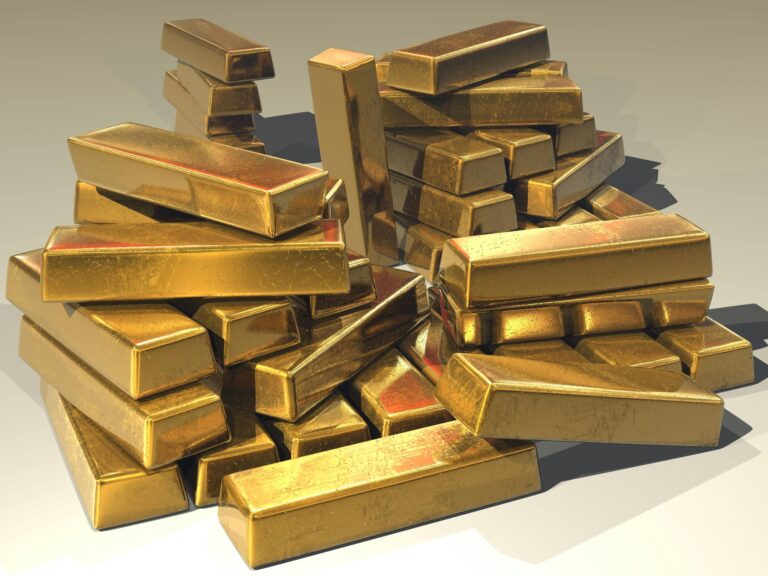
Witness record-breaking precious metal rallies. This guide reveals strategies to capitalize on gold, silver, platinum, and palladium surges for robust wealth building, even amidst market shifts.
The financial world has recently observed a spectacular ascent in precious metals, with gold breaching the unprecedented $4,400-per-ounce mark for the first time. This historic surge, reported by leading financial news outlets, isn’t an isolated event; silver has also achieved new all-time highs, while platinum and palladium have reached multi-year peaks. These movements are sending clear signals to investors about shifting economic landscapes and the enduring value of tangible assets in a diversified portfolio.
For individuals building wealth, understanding these trends is crucial. The question isn’t just “Why are prices rising?” but “How can I strategically integrate these assets into my personal finance plan to enhance and protect my wealth?” This comprehensive guide explores the drivers behind the current precious metals rally and offers actionable insights for savvy investors aiming to fortify their financial future.
The Phenomenal Rise of Gold and Its Relatives
The recent market data paints a vivid picture: gold reached an all-time high of $4,400.29 per ounce, while silver climbed to a historic high of $69.44. Not to be outdone, platinum soared to its highest level in over 17 years, and palladium hit a near three-year peak. These aren’t minor fluctuations; they represent significant revaluations of these essential commodities.
The year-to-date performance is staggering. Bullion has gained approximately 67% this year, shattering multiple records and breaching significant psychological barriers. Silver has performed even more dramatically, surging around 138% year-to-date, significantly outperforming its yellow counterpart. This performance is a compelling argument for reassessing the role of these metals in a long-term wealth strategy.
Understanding the Catalysts for Gold’s Ascent
Several powerful forces are converging to propel precious metal prices higher. Identifying these drivers is key to making informed investment decisions and understanding the potential for sustained growth or periods of consolidation.
Expectations of U.S. Rate Cuts: One of the primary catalysts for the current rally is the growing expectation of interest rate cuts by the central bank. When interest rates fall, the opportunity cost of holding non-yielding assets like gold decreases. Unlike bonds or savings accounts, gold doesn’t pay interest. In a low-interest-rate environment, the appeal of holding gold as a store of value increases because investors receive less return from traditional interest-bearing assets. Market analysts are currently pricing in significant rate cuts for the coming years, which provides a strong tailwind for bullion.
Robust Safe-Haven Demand: In times of geopolitical uncertainty and economic instability, investors often flock to assets perceived as safe havens. Gold, with its millennia-long history as a store of value, is the quintessential safe haven. Heightened geopolitical tensions and persistent trade uncertainties worldwide have fueled strong demand for gold as a hedge against global risks. This demand comes not only from individual investors but also from institutional players and, notably, central banks globally, which have been steady buyers of gold.
A Softer U.S. Dollar: The value of the U.S. dollar has a direct inverse relationship with the price of gold. Since gold is typically priced in U.S. dollars, a weaker dollar makes gold cheaper for buyers holding other currencies, thereby increasing demand. Recent movements in currency markets, influenced by the outlook for interest rates, have contributed to a softer dollar, providing an additional boost to precious metal prices.
Supply Constraints and Investment Inflows: For silver, platinum, and palladium, robust investment inflows coupled with persistent supply constraints have played a significant role in their dramatic price appreciation. Silver, in particular, benefits from both its monetary appeal and its extensive industrial uses, meaning demand can come from multiple sectors. Limited supply, whether due to mining challenges or geopolitical factors affecting production regions, can exert upward pressure on prices.
Seasonality: Some market analysts also point to seasonal trends. Historically, the end of the year and the beginning of a new one can often bring positive returns for gold and silver, driven by factors such as holiday demand in certain regions and portfolio rebalancing. While not a primary driver, seasonality can add to existing momentum.
Gold: The Timeless Cornerstone of Wealth
For centuries, gold has been synonymous with wealth, stability, and enduring value. Its recent surge reaffirms its critical role in a balanced investment portfolio. But beyond the headlines, what makes gold such a compelling asset for long-term wealth building?
Historical Performance and Inflation Hedge
Gold has a proven track record as an inflation hedge. When the purchasing power of fiat currencies erodes due to inflation, gold tends to retain or even increase its value, protecting investors’ capital. Its historical performance, especially during periods of high inflation or economic crisis, underscores its utility as a protective asset.
Diversification and Portfolio Resilience
One of the most significant benefits of including gold in a portfolio is its diversification potential. Gold often moves inversely or dissimilarly to traditional assets like stocks and bonds. This low correlation means that when other parts of your portfolio are under stress, gold may perform well, helping to reduce overall portfolio volatility and enhance stability. It acts as a counterweight, providing resilience during turbulent times.
Ways to Invest in Gold
Investors have several avenues to gain exposure to gold:
- Physical Gold: This includes gold coins, bars, and jewelry. Owning physical gold provides direct ownership and tangibility, often stored in secure vaults or at home.
- Gold Exchange-Traded Funds (ETFs): These funds track the price of gold and allow investors to gain exposure without the complexities of storing physical bullion. They are easily bought and sold on stock exchanges.
- Gold Mining Stocks: Investing in companies that mine gold can offer leverage to gold prices, as their profitability often increases significantly when gold prices rise. However, these investments also carry company-specific risks (e.g., operational issues, management decisions).
- Gold Futures and Options: For experienced investors, these derivatives offer a way to speculate on gold price movements or hedge existing positions. They involve significant leverage and risk.
Silver: The Dynamic Dual-Role Metal
While gold often captures the spotlight, silver’s recent performance has been even more remarkable. Known as “poor man’s gold,” silver possesses unique characteristics that make it a fascinating and potentially lucrative investment.
Industrial Demand Meets Investment Appeal
What sets silver apart is its dual role: it is both a precious metal with monetary history and a crucial industrial commodity. Silver is used extensively in electronics, solar panels, medical devices, and other high-tech applications. This industrial demand component means its price can be influenced by global economic growth, in addition to the safe-haven and inflation-hedge factors that drive gold.
The interplay between investment demand and industrial demand can create significant price volatility. When industrial demand is strong and investment demand also surges due to economic uncertainty, silver prices can escalate rapidly, as seen in the recent rally.
Higher Volatility, Higher Potential Gains
Historically, silver tends to be more volatile than gold. This higher beta means that silver prices can swing more dramatically, offering greater potential for gains during bull markets but also presenting higher risks during downturns. For investors with a higher risk tolerance and a belief in the long-term fundamentals of both its industrial and monetary uses, silver can be a powerful wealth accelerator.
Ways to Invest in Silver
- Physical Silver: Coins, bars, and rounds are popular choices for direct ownership.
- Silver ETFs: Similar to gold ETFs, these provide convenient exposure to silver prices without the need for physical storage.
- Silver Mining Stocks: Investing in companies that primarily mine silver can offer leveraged exposure, but again, with company-specific risks.
- Silver Futures and Options: For advanced traders, these instruments allow for speculation and hedging.
Platinum and Palladium: The Industrial Powerhouses
Beyond gold and silver, platinum and palladium, often grouped as Platinum Group Metals (PGMs), have also seen impressive gains. Their markets are heavily influenced by industrial demand, making them distinct investments with specific considerations.
Primary Industrial Uses
Both platinum and palladium are critical in various industrial applications, particularly in the automotive industry for catalytic converters, which reduce harmful emissions. Palladium has traditionally been more expensive than platinum due to tighter supply and higher demand in gasoline-powered vehicles. Platinum finds extensive use in diesel engines, jewelry, and medical applications.
The demand for PGMs is closely tied to automotive production cycles, environmental regulations, and technological advancements. As global economies recover and stricter emission standards are implemented, demand for these metals can increase, driving prices higher.
Supply Chain Risks and Rarity
The supply of platinum and palladium is highly concentrated in a few geographical regions, primarily South Africa and Russia. This concentration creates supply chain risks, as political instability, labor disputes, or natural disasters in these regions can significantly disrupt production and impact global prices. Their rarity, combined with critical industrial demand, makes them valuable assets.
Investment Considerations for PGMs
Investing in platinum and palladium often requires a deeper understanding of industrial market dynamics in addition to macroeconomic factors. Their prices can be more volatile and less influenced by safe-haven demand compared to gold. However, their industrial necessity and limited supply can present substantial opportunities.
Ways to Invest in Platinum and Palladium
- Physical Platinum/Palladium: Bars and coins are available, though less liquid than gold or silver.
- PGM ETFs: Several ETFs track the prices of platinum, palladium, or a basket of PGMs.
- Mining Stocks: Investing in companies that mine PGMs is another option, though these are often diversified miners with exposure to other metals.
Integrating Precious Metals into Your Wealth Strategy
The recent surge in precious metals is a strong reminder of their potential to contribute to a robust wealth-building strategy. However, like any investment, a thoughtful and balanced approach is essential.
Asset Allocation Principles
Determining the appropriate allocation to precious metals depends on your overall financial goals, risk tolerance, and time horizon. Financial advisors often recommend a modest allocation (e.g., 5-15%) to precious metals for diversification purposes, but this can vary based on individual circumstances and market outlook. The goal is to balance the growth potential of riskier assets with the protective qualities of precious metals.
Understanding Your Risk Tolerance
While gold is often seen as a safe haven, all precious metals carry some degree of price volatility. Silver, platinum, and palladium can be particularly volatile due to their industrial demand components. Assess your comfort level with potential price swings before committing a significant portion of your portfolio.
Long-Term vs. Short-Term Views
While short-term trading opportunities exist, the “Work to Wealth” philosophy typically emphasizes a long-term perspective. Precious metals often serve best as a long-term hedge against inflation, currency devaluation, and systemic financial risks. Holding them for the long haul allows you to ride out shorter-term fluctuations and benefit from their enduring value.
Dollar-Cost Averaging
To mitigate the risk of investing a lump sum at a market peak, consider employing dollar-cost averaging. This strategy involves investing a fixed amount of money at regular intervals, regardless of the asset’s price. This approach can help smooth out your average purchase price over time, reducing the impact of short-term volatility.
Diversification Beyond Traditional Assets
Precious metals provide a powerful avenue for diversifying beyond conventional stock and bond portfolios. In an era where traditional asset classes may face unprecedented challenges, the inclusion of tangible, finite assets like gold and silver can offer an important layer of protection and growth potential, helping you navigate complex economic cycles.
Market Outlook and Cautions for Precious Metals
While the current momentum for precious metals is strong, astute investors must also be aware of potential headwinds and exercise caution. The financial landscape is dynamic, and various factors could influence future price movements.
Analyst Perspectives on Profit-Taking
As prices reach record highs, some market analysts suggest that the odds of profit-taking increase. Periods of rapid ascent often lead to some investors selling off portions of their holdings to lock in gains, which can temporarily dampen price momentum. One senior market analyst commented that “bulls may want to tread with caution as volumes are to deplete and odds of profit-taking are also likely on the rise,” particularly as the year-end approaches and trading volumes typically thin.
Technical Resistance Levels
Technical analysts often identify key resistance levels that, once broken, can signal further upward movement, or if tested and held, can indicate a potential reversal. The breaking of the $4,375 resistance level for gold was seen as a strong bullish signal, suggesting potential extension to $4,427 per ounce, according to some analyses. However, these levels are constantly re-evaluated based on market action.
Impact of Changing Central Bank Policy
While expectations of rate cuts are currently a tailwind, any shift in central bank rhetoric or actual policy could impact precious metal prices. If inflation proves more stubborn than anticipated, or if economic growth accelerates unexpectedly, central banks might delay or reduce the number of rate cuts, which could remove some of the upward pressure on gold and silver.
Volatility and Market Sentiment
Precious metals markets, especially silver, platinum, and palladium, can be subject to significant volatility driven by shifts in market sentiment, economic data, or unexpected global events. Investors should be prepared for potential price swings and avoid making decisions based solely on short-term emotional responses to market movements.
Importance of Due Diligence and Professional Advice
Before making any significant investment decisions, conduct thorough due diligence. Research the specific investment vehicles you are considering and understand their associated risks. For many, seeking advice from a qualified financial advisor is invaluable. A professional can help you assess how precious metals fit into your overall financial plan, taking into account your individual circumstances and long-term objectives.
The ‘Work to Wealth’ Philosophy and Precious Metals
At ‘Work to Wealth’, our philosophy centers on empowering individuals to build lasting financial security through informed decisions and strategic planning. The recent performance of precious metals perfectly illustrates how specific market opportunities, when understood and approached strategically, can significantly contribute to this objective.
For someone dedicated to building wealth, precious metals offer a time-tested avenue for:
- Capital Preservation: Protecting purchasing power against inflation and currency devaluation.
- Portfolio Enhancement: Adding a layer of diversification that can reduce overall risk and potentially improve returns during specific market cycles.
- Strategic Advantage: Capitalizing on unique market drivers, such as anticipated interest rate shifts or heightened safe-haven demand, to position your wealth for growth.
The journey from ‘Work to Wealth’ is not about chasing every fad but about identifying foundational assets and understanding the macroeconomic forces that shape their value. Gold’s impressive run to $4,400, alongside its metallic brethren, underscores that smart wealth building involves looking beyond traditional assets and embracing a diverse range of opportunities.
By carefully considering the role of gold, silver, platinum, and palladium in your portfolio, and by aligning your investment strategy with a clear understanding of market dynamics, you can enhance your financial resilience and accelerate your path to sustained wealth.
Frequently Asked Questions
How can I protect my wealth from currency devaluation worries with gold?
Gold has historically served as a robust hedge against currency devaluation and inflation. By allocating a portion of your portfolio to physical gold or gold-backed ETFs, you can diversify away from purely fiat-currency-denominated assets. When currencies lose purchasing power, gold often retains or increases its value, thereby preserving your wealth over the long term.
Is the current record-breaking surge in silver sustainable for long-term investors seeking growth?
Silver’s surge is driven by a combination of investment demand (safe-haven, inflation hedge) and robust industrial demand (electronics, solar). While short-term volatility is always possible, the long-term sustainability hinges on continued industrial growth and the global economic environment. For long-term investors, silver’s dual role offers unique potential, though its higher volatility compared to gold warrants a careful assessment of risk tolerance.
I’m struggling to diversify my portfolio; how do platinum and palladium fit in?
Platinum and palladium offer diversification primarily through their strong industrial demand, particularly in the automotive sector for catalytic converters. This makes their price movements less correlated with traditional stocks and bonds and even gold in some cycles. Including them, typically through ETFs or mining stocks, can add a unique industrial commodity exposure to your portfolio, but be aware of their concentrated supply chains and higher volatility.
With gold at $4,400, am I too late to invest and capitalize on this rally?
While gold is at an all-time high, the decision to invest should be based on your long-term financial strategy, not just current price levels. Many analysts believe the drivers for gold’s strength (rate-cut expectations, safe-haven demand) could persist. Consider dollar-cost averaging to mitigate the risk of buying at a peak, and focus on gold’s role as a portfolio diversifier and wealth preserver over time, rather than just chasing short-term gains.
What are the main risks I should be aware of when investing in precious metals for wealth accumulation?
The main risks include price volatility, especially for silver, platinum, and palladium which are subject to industrial demand fluctuations. Future changes in central bank interest rate policies could also impact prices. Furthermore, physical precious metals require secure storage, and related financial products like mining stocks carry specific company risks. Always conduct thorough research and consider consulting a financial advisor.