

Explore why precious metals like gold and silver are surging, offering robust portfolio diversification and wealth preservation for savvy investors today.
The financial world has recently witnessed a compelling demonstration of wealth preservation principles, as precious metals, particularly gold and silver, ascended to unprecedented highs. This remarkable surge is more than just a fleeting market phenomenon; it underscores a fundamental shift in investor sentiment and a renewed appreciation for tangible assets in an increasingly unpredictable global economic landscape. For individuals seeking to fortify their financial future, understanding the drivers behind this rally in precious metals is paramount. It offers critical insights into how these time-tested assets can serve as potent hedges against inflation, geopolitical instability, and market volatility.
The recent record-breaking performance of gold, climbing within a whisker of breaching the $4,500-per-ounce level, and silver, rallying to a fresh peak near $70, signals a broad repositioning by investors. This movement reflects a collective impulse to safeguard capital when traditional investment vehicles appear more susceptible to external pressures. The narrative emerging from this rally is one of caution and foresight, where prudent investors are actively seeking havens for their wealth. This article delves into the intricate web of factors contributing to this historic rise, from escalating geopolitical tensions and evolving monetary policies to strategic central bank purchases and growing industrial demand. We will explore how these elements intertwine to create a compelling case for considering precious metals as a cornerstone of a resilient financial strategy, aligning with the core philosophy of ‘Work to Wealth’ in building enduring prosperity.
The Unprecedented Surge in Precious Metals: A New Era of Value
The financial markets recently buzzed with significant news: gold, the quintessential safe-haven asset, soared to a record high. Spot gold reached an impressive $4,486.41 per ounce, even touching an intraday record of $4,497.55. For those invested in U.S. gold futures, the February delivery jumped to $4,519.70, showcasing broad market enthusiasm. Silver, often trailing gold but with its own unique market dynamics, also rallied spectacularly, hitting a new peak of $69.98 per ounce, with year-to-date gains topping a remarkable 141%, outpacing even gold’s significant ascent.
This surge isn’t merely a statistical anomaly; it represents a powerful affirmation of the role precious metals play in times of uncertainty. Historically, gold and silver have been considered reliable stores of value, especially when confidence in fiat currencies or traditional financial systems wavers. Their intrinsic value, derived from their rarity, durability, and universal acceptance, grants them a unique standing among asset classes. In an era marked by rapid technological change and volatile geopolitical landscapes, the enduring appeal of these physical assets becomes even more pronounced. Investors, from individual savers to institutional giants, are increasingly looking beyond conventional equity and bond markets to secure their purchasing power.
The current market sentiment reflects a convergence of multiple macroeconomic and geopolitical factors. It’s a testament to the idea that in complex financial environments, simplicity and tangibility often gain favor. This historic rally underscores a renewed investor behavior: a conscious shift towards assets that are perceived as less susceptible to governmental policy changes, inflationary pressures, or global conflicts. This move towards precious metals signifies a broader strategy of risk mitigation and long-term wealth preservation, aligning perfectly with the principles championed by ‘Work to Wealth’ for sustainable financial growth.
Geopolitical Tensions: The Bedrock of Safe-Haven Demand for Precious Metals
One of the most immediate and palpable drivers behind the recent historic ascent of precious metals is the escalating geopolitical tension across the globe. The financial markets are inherently sensitive to international relations, and any hint of instability can trigger a flight to safety. In this instance, specific tensions, such as those reported between the United States and Venezuela, played a significant role as a catalyst. The announcement of a “blockade” of oil tankers under sanctions, for example, injects a substantial degree of uncertainty into global trade and energy markets. Such events create ripple effects that extend far beyond the immediate parties involved, unsettling investor confidence worldwide.
Geopolitical instability, whether in the form of trade disputes, military conflicts, or diplomatic standoffs, typically leads to increased risk aversion among investors. Traditional assets like stocks and bonds, which are often valued based on future economic growth and stability, become less attractive. Companies operating in affected regions face disrupted supply chains, reduced demand, and increased operational risks, directly impacting their profitability and stock prices. Similarly, government bonds, while considered safe, can still be influenced by the economic fallout of prolonged conflicts or sanctions, leading to higher perceived sovereign risk.
It is in this environment of heightened uncertainty that precious metals, particularly gold, truly shine. As Tim Waterer, chief market analyst at KCM Trade, aptly noted, “U.S.-Venezuelan tensions are keeping gold on the radar for investors as an uncertainty hedge.” This highlights gold’s long-standing reputation as a safe-haven asset, a reliable store of value that tends to perform well when other markets are in turmoil. Investors flock to gold not for yield or growth prospects, but for its perceived ability to preserve capital and purchasing power during times of crisis. Its lack of correlation with other major asset classes makes it an invaluable tool for diversification and risk management, offering a sense of security when global affairs seem most precarious.
Understanding the “Uncertainty Hedge” Phenomenon
The concept of an “uncertainty hedge” is central to understanding the enduring appeal of precious metals. Essentially, an uncertainty hedge is an asset that investors turn to when there is a significant lack of clarity about future economic or political conditions. Gold, in particular, has fulfilled this role for centuries, often gaining value when stocks, currencies, or bonds are under pressure. Historically, during periods of war, economic depressions, or hyperinflation, physical gold has consistently demonstrated its capacity to retain value, providing a tangible asset that is not beholden to the promises of any single government or financial institution.
Consider the numerous instances throughout history: the oil crises of the 1970s, the dot-com bubble burst in the early 2000s, the 2008 global financial crisis, and more recently, the global pandemic. In each of these periods, when markets plunged and confidence waned, gold prices typically rose, acting as a financial anchor for portfolios. This phenomenon stems from a psychological and practical basis. Psychologically, gold provides comfort. It is a finite resource, universally recognized as valuable, and traditionally outside the direct control of central banks in terms of supply. Practically, it offers liquidity and portability, making it a reliable medium of exchange or store of wealth when conventional financial systems face stress.
The perceived value of precious metals as an uncertainty hedge is often inversely related to the level of trust in financial institutions and government stability. When trust erodes, whether due to mounting national debt, inflationary policies, or geopolitical conflicts, investors naturally seek assets that are independent of these systemic risks. Gold and silver, therefore, aren’t just commodities; they are fundamental instruments of financial self-preservation, offering a tangible safeguard against the unpredictable tides of global events. Their ability to transcend national borders and political systems makes them a universal symbol of wealth, highly coveted when the stability of other assets comes into question.
Monetary Policy Shifts and Interest Rate Expectations: Fueling Precious Metals
Beyond geopolitical concerns, another powerful force driving the rally in precious metals is the anticipated shift in global monetary policy, particularly the expectation of easing interest rates. Central banks around the world utilize interest rates as a primary tool to manage economic activity. When interest rates are high, holding non-yielding assets like gold becomes less attractive because investors can earn a substantial return from bonds, savings accounts, or other interest-bearing instruments. Conversely, when interest rates are expected to fall, the opportunity cost of holding gold decreases, making it a more appealing investment.
Markets are currently pricing in expectations for significant rate cuts in the coming year, a scenario that tends to be bullish for precious metals. Lower interest rates typically lead to a weaker domestic currency, which, in turn, makes dollar-denominated assets like gold more affordable for international buyers, further boosting demand. Moreover, a dovish stance from central banks often implies a focus on stimulating economic growth, which can be accompanied by an increase in the money supply. This expansionary monetary policy can spark inflationary concerns, prompting investors to seek out assets that historically perform well during periods of rising prices, such as gold and silver.
The interplay between real interest rates and gold prices is particularly crucial. Real interest rates are nominal interest rates minus inflation. When real interest rates are low or negative, the incentive to hold cash or traditional bonds diminishes. In such an environment, gold, which cannot be devalued through quantitative easing or interest rate manipulation, becomes an attractive alternative for preserving purchasing power. This fundamental relationship reinforces gold’s role as a hedge against inflation and currency debasement, making it a powerful component of a diversified portfolio in an era of unpredictable monetary policies.
The Federal Reserve and Its Influence on Gold’s Trajectory
The actions and anticipated policies of central banks, particularly the Federal Reserve in the United States, exert a profound influence on the trajectory of precious metals. Reports that a new Federal Reserve Chair could be named, potentially signaling a more dovish policy stance, have added further fuel to the gold rally. A dovish Fed is one that prioritizes economic growth and employment over strict inflation control, often through lower interest rates and looser monetary policy. Such a shift typically translates into a more accommodative financial environment, which, as discussed, is generally favorable for non-yielding assets like gold.
The market meticulously scrutinizes every statement, economic projection, and personnel change within the Federal Reserve. Even the mere expectation of a change in leadership or a policy pivot can trigger significant market movements. Investors anticipate that a more dovish Fed would likely pursue interest rate cuts or maintain lower rates for longer, reducing the attractiveness of yield-bearing assets. This expectation creates a powerful speculative force that can drive up gold prices well in advance of any actual policy decisions, as market participants position themselves for the anticipated changes.
The “opportunity cost” of holding gold is a key concept here. When other investments, like bonds, offer high returns, the opportunity cost of holding gold (which does not pay interest or dividends) is high. Conversely, when interest rates fall, the opportunity cost decreases, making gold a relatively more attractive asset. This dynamic is a continuous factor in gold price movements. Therefore, a Federal Reserve leaning towards a more accommodative stance, especially when combined with concerns about economic slowdowns or potential recessions, creates a potent cocktail for increasing demand for precious metals. This strategic positioning by investors, informed by the nuances of central bank communications, underscores the sophistication required to navigate modern financial markets effectively for wealth building.
Beyond Geopolitics and Rates: A Multifaceted Rally in Precious Metals
While geopolitical tensions and monetary policy expectations are significant drivers, the current rally in precious metals is bolstered by several other powerful, interconnected factors. This multifaceted support system suggests that the movement towards gold and silver is not merely a short-term reaction but potentially a sustained shift in global financial strategy. Understanding these additional elements provides a more complete picture of why these assets are proving so resilient and attractive to a broad spectrum of investors.
Central Bank Buying and De-dollarization Trends
One of the most significant, yet often underreported, forces driving gold demand is the consistent and substantial buying by central banks globally. For several years, central banks have been net purchasers of gold, diversifying their foreign exchange reserves away from traditional fiat currencies, particularly the dollar. This trend is rooted in a desire to reduce reliance on any single reserve currency and to hedge against geopolitical risks and potential currency devaluations. Gold, as a universally accepted and apolitical asset, offers a unique solution for reserve diversification.
The concept of “de-dollarization” is closely linked to this central bank behavior. As certain nations seek to diminish the dollar’s dominance in international trade and finance, they actively seek alternative assets to hold as reserves. Gold fits this criteria perfectly, representing an independent store of value that cannot be influenced or sanctioned by any single government. When major global economic players increase their gold holdings, it sends a powerful signal to the market, reinforcing gold’s status as a premier safe-haven asset and a foundational component of global financial stability. This strategic shift by central banks adds a layer of structural demand that differs from speculative investor interest, providing a more robust and long-term underpinning for precious metals prices.
Renewed Exchange-Traded Fund (ETF) Inflows
Another crucial factor contributing to the rally is the renewed interest and inflows into Exchange-Traded Funds (ETFs) backed by precious metals. ETFs have revolutionized access to commodities, allowing both retail and institutional investors to gain exposure to gold and silver without the complexities of physical storage, insurance, or authenticity verification. When investor confidence in traditional markets wanes, and the narrative around safe-haven assets strengthens, ETFs provide an easy and liquid way to participate in the precious metals market.
Significant inflows into these funds indicate broad-based investor interest, signaling that a wider audience is seeking exposure to precious metals. These inflows translate directly into increased demand for the underlying physical metal, as ETF providers must purchase and hold gold or silver to back their shares. This creates a direct link between investor sentiment and the physical market, amplifying price movements. The convenience and accessibility of ETFs mean that even smaller investors can participate, contributing to the overall market momentum. This surge in ETF investment demonstrates a powerful shift in portfolio strategy, where wealth builders are actively diversifying and leveraging accessible vehicles to protect and grow their capital.
Supply Deficits and Industrial Demand for Silver
While gold is primarily a monetary asset and a store of value, silver benefits from a dual nature: it is both a precious metal and a crucial industrial commodity. This dual role explains why silver’s year-to-date gains have sometimes outpaced gold. The industrial demand for silver is robust and growing, driven by its essential role in numerous high-tech applications. Silver is indispensable in electronics, solar panels, medical instruments, and electric vehicles due to its unparalleled electrical conductivity and reflective properties.
Reports of persistent supply deficits in the silver market further fuel its price appreciation. Mining output has struggled to keep pace with escalating industrial and investment demand. Unlike gold, which is often mined primarily for its monetary value, much of silver production is a byproduct of mining other metals like copper, lead, and zinc. This makes silver supply less responsive to direct price signals, leading to structural deficits when demand surges. The combination of strong industrial consumption, growing investment inflows, and constrained supply creates a powerful upward pressure on silver prices. For investors, silver offers a unique blend of safe-haven characteristics and exposure to the growth of green energy and advanced manufacturing, making it a compelling addition to a diversified precious metals portfolio.
Portfolio Diversification: The Enduring Appeal of Precious Metals
In the pursuit of long-term wealth building, diversification stands as a cornerstone principle. Relying too heavily on any single asset class, industry, or geography can expose a portfolio to undue risk. The recent performance of precious metals, especially during periods of market volatility and geopolitical uncertainty, powerfully reaffirms their crucial role as an uncorrelated asset class. Unlike stocks, which generally thrive in periods of economic expansion, or bonds, which can be sensitive to interest rate changes, gold and silver often move independently, or even inversely, to these traditional assets. This lack of correlation is precisely what makes them invaluable for reducing overall portfolio risk.
When stock markets experience corrections or crashes, or when inflation erodes the purchasing power of fiat currencies, precious metals typically maintain or increase their value. This counter-cyclical behavior provides a vital buffer against downturns in other parts of a portfolio, smoothing out returns and preserving capital. As Tim Waterer from KCM Trade noted, “buyers continued to see precious metals as an effective way to diversify portfolios and preserve value.” This sentiment echoes the wisdom of prudent financial planning: don’t put all your eggs in one basket. By allocating a portion of one’s wealth to gold and silver, investors can construct a more robust portfolio capable of weathering diverse economic storms and unpredictable market conditions, ultimately supporting their journey from ‘Work to Wealth’.
Strategic Allocation: How Much is Enough?
Determining the appropriate allocation percentage for precious metals within a portfolio is a common question for investors. There’s no one-size-fits-all answer, as the ideal allocation depends on individual risk tolerance, financial goals, investment horizon, and current economic outlook. However, a general guideline often suggested by financial advisors is to allocate between 5% and 15% of a portfolio to precious metals. For more conservative investors or those particularly concerned about inflation and systemic risks, this percentage might lean towards the higher end, while growth-oriented investors might opt for a smaller allocation.
The primary purpose of including precious metals is not necessarily for aggressive growth, but for capital preservation and as an insurance policy against adverse economic conditions. During periods of high inflation, for example, the value of fiat currency declines, while gold and silver tend to appreciate, effectively maintaining purchasing power. This makes them particularly valuable in today’s environment, where inflationary pressures remain a concern globally. Regular rebalancing of your portfolio, including your precious metals allocation, is also critical. If gold or silver significantly increase in value, you might consider trimming your holdings back to your target percentage to lock in gains and redeploy capital elsewhere, or conversely, buy more if they are undervalued relative to your target. A disciplined approach to allocation and rebalancing ensures that precious metals continue to serve their intended role as a stabilizer in your wealth-building journey.
The Broader Precious Metals Complex: Platinum and Palladium’s Ascent
While gold and silver often dominate headlines, the recent surge in the precious metals market has also extended to their less-talked-about cousins: platinum and palladium. These metals, sometimes referred to as the platinum group metals (PGMs), also demonstrated impressive gains, tracking the broader strength seen in gold and silver. Spot platinum jumped 1.2% to $2,145.10, reaching its highest level in more than 17 years, while palladium rose a significant 3.4% to a three-year high of $1,819.00. This synchronized movement across the precious metals complex suggests a widespread investor preference for tangible assets, driven by similar underlying macroeconomic and geopolitical concerns.
Unlike gold and silver, which have strong monetary and investment demand, platinum and palladium are primarily industrial metals, with a significant portion of their demand stemming from the automotive industry. Both are critical components in catalytic converters, which reduce harmful emissions from internal combustion engines. Platinum also finds extensive use in jewelry, petroleum refining, and chemical catalysts. Palladium, on the other hand, is increasingly favored in gasoline-powered vehicles due to its superior catalytic properties in certain conditions, and also has applications in electronics and dentistry. The demand for these metals is thus heavily influenced by global automotive production trends, environmental regulations, and economic growth.
The recent rally in platinum and palladium, while influenced by the general safe-haven appeal of precious metals, also reflects specific supply-demand dynamics within their industrial sectors. Supply disruptions, often from major producing regions like South Africa and Russia, coupled with a rebound in automotive production or tighter emission standards, can significantly impact their prices. For investors, including platinum and palladium in a diversified precious metals strategy can offer exposure to different demand drivers, further enhancing portfolio resilience. However, their industrial reliance also makes them more susceptible to economic slowdowns or shifts in technology (e.g., the transition to electric vehicles), requiring a nuanced understanding of their market fundamentals.
Navigating Market Volatility: End-of-Year Dynamics and Future Outlook for Precious Metals
As the year draws to a close, market dynamics often become more pronounced due to thinning liquidity. Frank Walbaum, a market analyst at Naga, wisely observed that “with year-end approaching, thinner liquidity conditions could amplify price swings.” This means that even relatively small trading volumes can have a disproportionately large impact on prices, leading to increased volatility. For investors in precious metals, this implies a need for heightened awareness and a cautious approach to short-term movements. While the underlying long-term drivers for gold and silver remain robust, temporary price fluctuations are to be expected.
Despite potential short-term consolidation over the festive period, as suggested by Michael Brown, a senior strategist at Pepperstone, the overall outlook for precious metals appears promising once trading volumes return in earnest. Analysts are setting ambitious targets, with Michael Brown envisioning the $5,000 level as a natural target for gold next year and the $75 mark a longer-term objective for silver. These projections are underpinned by the ongoing mix of geopolitical risks, persistent inflation concerns, expectations of continued central bank buying, and the anticipation of further interest rate adjustments. The confluence of these factors creates a compelling narrative for sustained interest in gold and silver as essential components of a robust wealth-building strategy.
Looking ahead, several factors could continue to support the rally in precious metals. Any further escalation of international conflicts, increased uncertainty in global trade relations, or unexpected shifts in economic growth forecasts could send investors flocking back to safe-haven assets. Moreover, if central banks globally adopt a more dovish stance than currently anticipated, or if inflationary pressures prove more stubborn than policymakers expect, gold and silver could find additional upward momentum. Conversely, a rapid resolution of geopolitical tensions, a stronger-than-expected economic recovery with rising real interest rates, or a significant technological breakthrough that reduces industrial demand for silver could challenge these optimistic targets. Vigilant monitoring of these macroeconomic and geopolitical landscapes will be crucial for any investor seeking to capitalize on the enduring appeal of precious metals.
Practical Considerations for Investing in Precious Metals
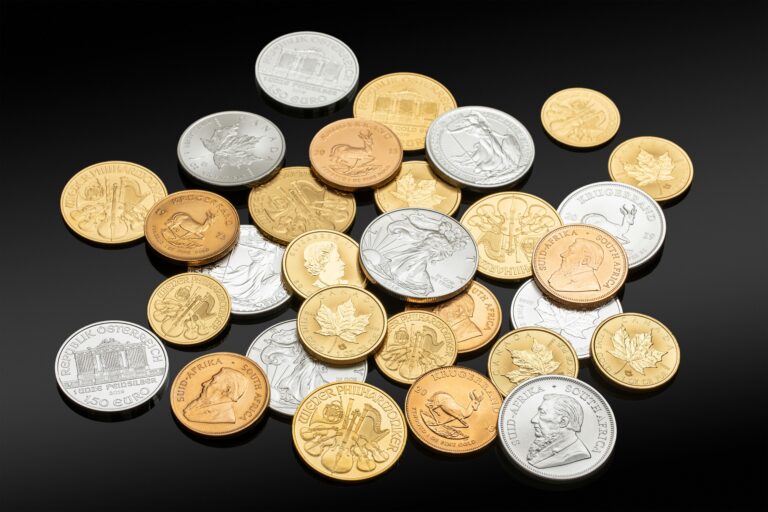
For individuals looking to integrate precious metals into their wealth strategy, understanding the practical aspects of investment is crucial. There are primarily two main avenues: physical bullion and paper assets. Physical bullion involves purchasing actual gold or silver coins, bars, or rounds. This provides direct ownership and the ultimate hedge against systemic risk, as it is outside the financial system. However, it comes with considerations such as secure storage (safe deposit box, home safe, or third-party vaulting services), insurance costs, and potential liquidity challenges when selling. Investors should research reputable dealers, understand premiums over spot price, and be aware of sales taxes in their jurisdiction.
Paper assets, on the other hand, offer convenience and liquidity. This category includes precious metals Exchange-Traded Funds (ETFs), which track the price of gold or silver and are traded like stocks. They are highly liquid and cost-effective, but investors do not own the physical metal directly; rather, they own shares in a fund that holds the metal. Another option is investing in mining stocks, which are equities of companies that extract gold, silver, or other precious metals. While these can offer leverage to rising metal prices, they also come with operational risks specific to the mining industry (e.g., production issues, labor disputes, environmental regulations). Futures contracts are another, more advanced, option primarily for experienced traders due to their leverage and volatility.
Regardless of the chosen method, due diligence is paramount. Research the reputation of any company or platform you intend to use. Understand the fees, storage costs, and tax implications associated with each investment vehicle. For physical precious metals, always buy from trusted, established dealers. For ETFs and stocks, use recognized brokerage platforms. A balanced approach, possibly combining a small amount of physical bullion for ultimate security with more liquid ETF holdings for convenience, can offer the best of both worlds. The goal is to ensure your investment in precious metals effectively serves its intended purpose within your broader financial strategy.
Beyond the Hype: Long-Term Wealth Preservation with Precious Metals
The recent record-breaking surge in precious metals is certainly newsworthy, but it is essential to look beyond the immediate headlines and consider the long-term implications for wealth preservation. Gold and silver have served as enduring stores of value for millennia, their appeal transcending economic cycles, political regimes, and technological advancements. This intrinsic stability makes them indispensable tools in a comprehensive wealth-building strategy, particularly for those focused on safeguarding their financial future against unforeseen challenges.
In an era characterized by expansionary monetary policies, growing national debts, and fluctuating geopolitical stability, the purchasing power of fiat currencies is under constant threat. Inflation, often dubbed a “hidden tax,” silently erodes savings over time. Precious metals, especially gold, have historically proven to be excellent hedges against inflation, tending to appreciate when the cost of living rises. They represent a tangible asset that cannot be printed or created at will by governments, thereby retaining their value when paper assets lose theirs. This resilience is a key reason why central banks and savvy individual investors alike turn to gold as a foundational asset.
The journey from ‘Work to Wealth’ is not just about accumulating capital; it’s about preserving it and ensuring its growth over generations. A balanced, informed approach that includes a strategic allocation to precious metals can significantly enhance portfolio resilience. While the excitement of record highs is compelling, the true value of gold and silver lies in their steadfast ability to act as a financial anchor during turbulent times, offering protection against currency debasement, market crashes, and geopolitical upheaval. By understanding their unique role and integrating them thoughtfully into a diversified portfolio, investors can build a more secure and prosperous financial future, ensuring their wealth endures for years to come.
Frequently Asked Questions
Why are precious metals like gold and silver suddenly soaring, causing investor confusion?
Precious metals are soaring due to a confluence of factors, including escalating geopolitical tensions (like U.S.-Venezuela relations), expectations of easing interest rates and dovish central bank policies, increased buying by central banks as part of de-dollarization efforts, and renewed inflows into investment funds. For silver, additional demand comes from industrial uses and supply deficits. This complex interplay can indeed cause confusion, but it fundamentally signals investors seeking safety and wealth preservation.
How can I effectively use precious metals to protect my wealth from market instability?
To protect your wealth, consider precious metals as an uncorrelated asset class for diversification. They historically act as a safe haven during market downturns, inflation, and geopolitical crises. You can invest in physical bullion (coins, bars) for direct ownership, or through more liquid options like Exchange-Traded Funds (ETFs). A strategic allocation, typically 5-15% of your portfolio, can help hedge against volatility and preserve purchasing power.
What role do central bank policies and interest rates play in the value of precious metals?
Central bank policies and interest rates significantly influence precious metals. Lower interest rates decrease the opportunity cost of holding non-yielding assets like gold, making them more attractive. A dovish central bank stance, aiming for economic stimulus, often leads to a weaker currency and inflationary pressures, further boosting the appeal of precious metals as hedges against currency debasement and rising prices. Central bank buying for reserve diversification also adds structural demand.
Is it better to invest in physical gold/silver or through investment funds for long-term growth?
Both physical bullion and investment funds (like ETFs) have merits for long-term wealth building, depending on your goals. Physical metals offer direct ownership and ultimate security against systemic risks, but involve storage and insurance costs. Funds provide liquidity and convenience, tracking metal prices without physical handling. For long-term growth and protection, a blended approach, with a portion in physical metal and another in accessible funds, often provides a balanced strategy.
What are the potential risks or challenges when adding precious metals to a portfolio?
While beneficial, adding precious metals carries challenges. Risks include price volatility (especially for silver, platinum, palladium due to industrial demand), lack of yield (no interest/dividends), storage costs and security for physical bullion, and counterparty risk with certain paper assets. Market liquidity can also thin during holidays, amplifying price swings. Investors should conduct thorough due diligence, understand associated costs, and align their investment with their overall risk tolerance and financial objectives.