

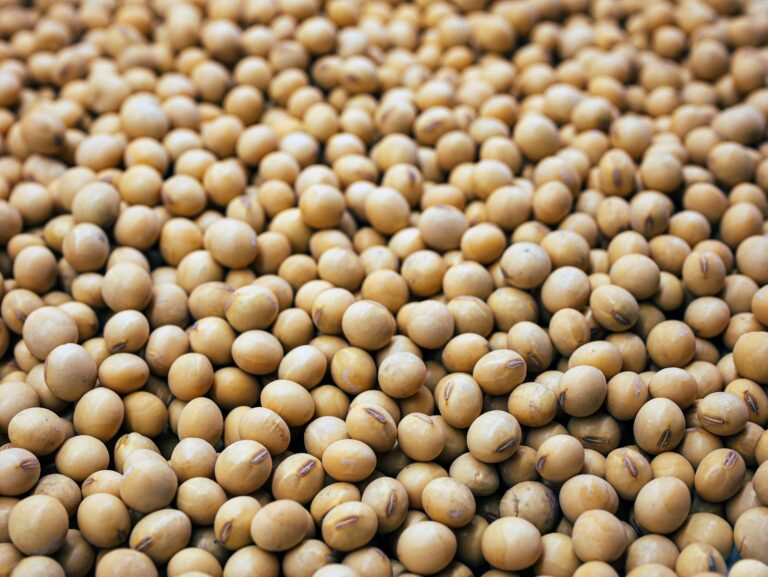
Recent surges in the soybean market, fueled by significant international buying, highlight the dynamic nature of commodity investments. This article explores how understanding and strategically integrating commodities into your financial plan can contribute to substantial wealth growth, offering both diversification and a potential hedge against economic fluctuations, suitable for both novice and experienced investors.
The global financial landscape is constantly evolving, presenting both challenges and opportunities for those seeking to build and grow their wealth. While traditional assets like stocks and bonds form the bedrock of many portfolios, the recent rally in the soybean market, driven by increased Chinese buying as reported by Barchart.com, serves as a powerful reminder of the significant role commodity investing can play.
For investors focused on long-term wealth accumulation, understanding these market dynamics is not just academic; it’s a pathway to potentially capturing substantial gains and fortifying a portfolio against economic headwinds. This deep dive into commodity markets, particularly agricultural commodities like soybeans, will illuminate the mechanisms at play and provide actionable insights for your financial journey.
Wealth building is a multi-faceted endeavor, and a well-rounded strategy often involves looking beyond the most obvious investment vehicles. Commodities, often perceived as complex, can in fact be an accessible and valuable addition to a prudent investor’s toolkit.
Understanding the Commodity Market Landscape
Before delving into the specifics of the soybean rally, it’s crucial to grasp what commodities are and their fundamental role in the global economy. Commodities are basic goods used in commerce that are interchangeable with other goods of the same type.
They are often raw materials, serving as inputs for the production of other goods and services. Think of them as the foundational elements of our industrial and consumer world.
Types of Commodities
Commodities are broadly categorized into several groups:
- Agricultural Commodities: These include soft commodities like grains (corn, wheat, soybeans), livestock (cattle, hogs), and tropical products (coffee, sugar, cocoa). They are directly tied to food production and consumption.
- Energy Commodities: This category encompasses crude oil, natural gas, gasoline, and heating oil. These are vital for transportation, industrial processes, and power generation.
- Metals: Divided into precious metals (gold, silver, platinum, palladium) and industrial metals (copper, aluminum, zinc). Precious metals often serve as safe havens and inflation hedges, while industrial metals are critical for manufacturing and infrastructure.
Each category has unique drivers, but all are fundamentally influenced by the interplay of global supply and demand.
Why Invest in Commodities?
For individuals building wealth, commodities offer several compelling benefits:
- Diversification: Commodities often exhibit a low correlation with traditional assets like stocks and bonds. This means that when stocks are underperforming, commodities might be thriving, helping to reduce overall portfolio volatility.
- Inflation Hedge: During periods of rising inflation, the cost of raw materials tends to increase. Investing in commodities can, therefore, help preserve purchasing power, as their prices often rise in tandem with general price levels.
- Direct Growth Potential: Specific supply-demand imbalances or geopolitical events can lead to significant price rallies, offering opportunities for substantial capital appreciation, as we’ve seen with the recent soybean market activity.
- Real Assets: Unlike paper assets, commodities represent tangible goods. This inherent tangibility can provide a sense of security during times of economic uncertainty.
The decision to include commodities should always align with an investor’s overall financial goals and risk tolerance.
The Role of Supply and Demand
The price of any commodity is fundamentally determined by the forces of supply and demand. However, these forces in commodity markets are often more complex and prone to external shocks than in other markets.
Supply can be affected by factors such as weather patterns (for agricultural goods), geopolitical stability (for oil and gas), mining strikes (for metals), and technological advancements. Demand, on the other hand, is influenced by global economic growth, population changes, emerging market industrialization, and shifts in consumer preferences.
Understanding these drivers is paramount for any investor considering commodity investing.
The Soybean Rally Explained: Connecting Global Events to Wealth
The recent news of the soybean market rally, particularly the mention of increased Chinese buying, provides a perfect case study for how global events translate into tangible investment opportunities.
According to Barchart.com, soybeans saw an extended rally, with traders factoring in significant Chinese purchases. This kind of event can create substantial upward pressure on prices, leading to considerable gains for those positioned correctly.
The Specifics of the News
The article highlighted that following international meetings, China made commitments to buy substantial quantities of soybeans for the current year and subsequent years. This commitment to increased demand immediately shifted market sentiment, pushing prices higher.
Such large-scale commitments from a major global consumer have a direct and significant impact on market equilibrium, causing a rally in the commodity’s price. This illustrates how geopolitical discussions and trade agreements can directly influence the profitability of agricultural commodity investing.
How Global Events Impact Agricultural Commodities
The soybean rally is not an isolated incident; it’s an example of how interconnected the global economy is, especially concerning agricultural commodities:
- Trade Policies: Changes in tariffs, quotas, or trade agreements can significantly alter demand patterns. When tariffs are lifted or new buying commitments are made, the affected commodity’s price can surge.
- Geopolitical Factors: Relations between major trading partners directly influence commodity flows. Positive diplomatic developments can open new markets or increase existing trade volumes, boosting prices.
- Economic Growth: Strong economic growth, particularly in populous nations, typically leads to increased demand for food and industrial inputs, driving up prices for agricultural goods.
- Currency Fluctuations: Commodities are often priced in a global reserve currency. Changes in exchange rates can make commodities more or less expensive for international buyers, impacting demand.
These factors create a complex web of influences that commodity investors must consider.
The Role of Weather and Government Policies
Beyond global trade, other factors critically impact agricultural commodities:
- Weather Patterns: Droughts, floods, and unseasonable temperatures can drastically reduce crop yields, impacting supply and driving prices upward. Conversely, bumper harvests can depress prices.
- Government Subsidies and Regulations: Policies related to farming, land use, and exports can significantly alter supply and influence market prices.
- Disease Outbreaks: For livestock and certain crops, disease can decimate supply, leading to sharp price increases.
These diverse influences underscore the volatility inherent in commodity investing, but also the potential for substantial returns for well-informed investors.
Investing in Agricultural Commodities: Pathways to Wealth
For ‘Work to Wealth’ readers, the question then becomes: how can I participate in these market movements? While direct trading of physical commodities is rare for individual investors, several accessible avenues exist for agricultural commodity investing.
Direct vs. Indirect Investment
It’s important to distinguish between direct and indirect exposure to commodities.
Direct Investment: Futures Contracts
Direct investment typically involves futures contracts. A futures contract is a legal agreement to buy or sell a particular commodity at a predetermined price on a specified date in the future. For example, a soybean futures contract allows an investor to speculate on the future price of soybeans without having to physically store or transport them.
This method is highly leveraged and comes with substantial risk. It’s generally recommended for sophisticated investors with a deep understanding of market mechanics, margin requirements, and risk management.
Indirect Investment: More Accessible Pathways
For the vast majority of individual investors, indirect methods offer a more practical and less risky way to gain exposure to agricultural commodities:
- Commodity-Focused Exchange-Traded Funds (ETFs) and Exchange-Traded Notes (ETNs): These instruments track the price of a single commodity (like a soybean ETF) or a basket of commodities. ETFs are funds that hold actual commodity contracts or shares of companies involved in commodity production, while ETNs are debt instruments that promise to pay returns linked to a commodity index. They offer liquidity and diversification, making them popular for new and experienced investors alike.
- Stocks of Agricultural Companies: Investors can gain exposure by buying shares in companies whose fortunes are tied to agricultural commodities. This could include seed and fertilizer producers, farm equipment manufacturers, food processing companies, or even large-scale farming operations. This approach provides exposure to the commodity’s underlying industry without directly investing in the commodity itself.
- Managed Funds: Mutual funds or hedge funds specializing in commodities offer professional management and diversification across various commodities. These funds are managed by experts who actively research and trade commodity markets.
Each of these indirect methods carries its own set of risks and rewards, and careful consideration is advised.
Benefits of Including Commodities in Your Portfolio
The allure of commodity investing extends beyond simply chasing the next big rally. It’s about building a robust and resilient portfolio designed to withstand various economic cycles and contribute consistently to wealth growth.
Powerful Diversification
One of the most compelling reasons to allocate a portion of your portfolio to commodities is their diversification benefits. Historical data often shows that commodities have a low or even negative correlation with traditional assets like stocks and bonds.
This means that when stocks or bonds are performing poorly, commodities might be performing well, and vice-versa. This uncorrelated behavior can smooth out portfolio returns over time, reducing overall risk without necessarily sacrificing potential returns. For instance, a stock market downturn might not equally affect the price of soybeans if global demand remains strong.
A Natural Hedge Against Inflation
Inflation is a persistent concern for investors, as it erodes purchasing power over time. Commodities, by their very nature as raw materials, tend to be excellent hedges against inflation.
When the cost of living and production rises, the prices of the basic goods used to produce everything else—like crude oil, metals, and agricultural commodities—also tend to increase. Including commodity exposure in your portfolio can help protect your wealth during inflationary periods, ensuring that your capital retains its real value.
Potential for Significant Returns
While commodity markets are known for their volatility, this volatility also presents opportunities for substantial capital appreciation. Periods of tight supply, strong demand, or geopolitical instability can lead to rapid and significant price increases.
The recent soybean market surge is a prime example: investors who were positioned to benefit from increased international demand saw their profits rise. Such opportunities, though requiring careful timing and research, can contribute meaningfully to wealth accumulation.
Real Assets Provide Tangible Value
Unlike financial instruments that derive their value from claims on future earnings or government backing, commodities are real assets. They have intrinsic value because they are essential for human sustenance, industry, and energy. This tangible nature can offer psychological comfort and a fundamental base of value in a portfolio, especially during times of heightened financial uncertainty.
The physical demand for these goods ensures a baseline value that is less susceptible to abstract market sentiment alone.
Risks and Challenges of Commodity Investing
While the benefits of commodity investing are attractive, it is crucial to approach this asset class with a clear understanding of its inherent risks and challenges. No investment is without its downsides, and commodities are no exception.
High Volatility
Commodity markets are notoriously volatile. Prices can swing wildly in response to a myriad of factors, often within short periods. A sudden weather event, a shift in government policy, an unexpected supply disruption, or even a change in analyst sentiment can cause dramatic price movements.
This high volatility means that while there’s potential for significant gains, there’s also an equal potential for substantial losses, especially for those who are not prepared for such rapid fluctuations.
Complexity and Research Requirements
Understanding commodity markets requires dedicated research and a grasp of complex global dynamics. Unlike analyzing a company’s balance sheet, commodity analysis involves tracking macroeconomic trends, geopolitical developments, weather forecasts, technological advancements in extraction or cultivation, and intricate supply chain logistics.
For instance, predicting the direction of soybean prices involves not just knowing about Chinese demand but also understanding South American crop forecasts, US planting intentions, and global shipping costs. This complexity can be a barrier for investors who prefer simpler strategies.
Contango and Backwardation in Futures Markets
For investors using futures contracts or commodity ETFs/ETNs that rely on futures, two concepts are critical: contango and backwardation. These terms describe the relationship between the spot price of a commodity and the price of its futures contracts.
- Contango: Occurs when the futures price is higher than the current spot price. This is common when there are storage costs, or the market expects prices to rise. For investors “rolling” futures contracts (selling an expiring contract and buying a new one further out), contango can lead to negative returns, as they are continuously selling low and buying high.
- Backwardation: Occurs when the futures price is lower than the current spot price. This usually happens when there’s high immediate demand or supply shortages. In a backwardated market, rolling futures contracts can generate positive returns, as investors are effectively selling high and buying low.
These market structures significantly impact the returns of commodity-linked investments, making them more complex than simply tracking the spot price.
Geopolitical and Environmental Risks
Commodities are highly susceptible to geopolitical and environmental risks:
- Geopolitical Risks: Trade wars, sanctions, political instability in producing regions, and international disputes can severely disrupt supply chains and alter demand, causing rapid price shifts.
- Environmental Factors: Climate change, extreme weather events, natural disasters, and disease outbreaks (especially for agricultural commodities like soybeans or livestock) can devastate supply, leading to price spikes. Conversely, favorable conditions can lead to oversupply and price drops.
These external factors are often unpredictable and beyond the control of individual investors, adding another layer of risk.
Strategies for “Work to Wealth” Readers
Given the opportunities and challenges, how can ‘Work to Wealth’ readers effectively integrate commodity investing into their financial plans to pursue their goals of wealth growth?
1. Education is Your First Investment
Before committing any capital, invest time in learning. Understand the basics of supply and demand, the different types of commodities, and the various investment vehicles. Read market reports, follow news sources (like Barchart.com for commodity updates), and study historical trends. A well-informed investor is a better-prepared investor.
2. Start Small and Diversify
For beginners, it’s wise to start with a small, manageable allocation to commodities, perhaps 5-10% of your overall portfolio. Instead of focusing on a single, volatile commodity like individual soybean futures, consider diversified commodity ETFs or ETNs that track a broad index of commodities.
This provides exposure to the asset class’s benefits (diversification, inflation hedge) without putting all your eggs in one highly volatile basket. As your understanding grows, you might consider more targeted investments.
3. Consider Broad Commodity ETFs/ETNs
For most individual investors, broad-based commodity ETFs or ETNs are the most practical entry point. These funds manage the complexities of futures markets and provide exposure to a diversified basket of commodities (energy, metals, agriculture).
They offer liquidity and are easily traded through standard brokerage accounts. Look for funds with reasonable expense ratios and a clear investment objective.
4. Allocate a Small Percentage of Your Portfolio
Due to their volatility, commodities should generally represent only a modest portion of a diversified portfolio. A common recommendation is between 5% and 15%. This allocation is typically enough to provide diversification and inflation protection benefits without exposing the entire portfolio to excessive risk.
The exact percentage should be tailored to your individual risk tolerance, investment horizon, and overall financial goals.
5. Long-Term Perspective with Strategic Rebalancing
While commodity prices can swing dramatically in the short term, incorporating them for their diversification and inflation-hedging properties is often a long-term strategy. Avoid trying to time the market perfectly.
Instead, adopt a strategy of periodic rebalancing. If your commodity allocation grows significantly due to a rally, trim it back to your target percentage. If it declines, consider buying more to bring it back to your target. This disciplined approach helps you buy low and sell high over time.
6. Dollar-Cost Averaging
For those investing in commodity-related ETFs or stocks, dollar-cost averaging can be a prudent strategy. This involves investing a fixed amount of money at regular intervals, regardless of market conditions. This approach helps mitigate the risk of investing a large sum at an unfortunate market peak, averaging out your purchase price over time.
7. Consult a Qualified Financial Advisor
Commodity investing can be intricate. If you’re unsure how to integrate commodities into your existing financial plan, consult a fee-only financial advisor. They can help you assess your risk tolerance, define your financial goals, and create a personalized investment strategy that includes an appropriate allocation to commodities.
Their expertise can be invaluable in navigating the complexities and ensuring your commodity investments align with your broader wealth-building objectives.
Building a Resilient Portfolio with Commodities
Ultimately, the goal for ‘Work to Wealth’ readers is to build a financial foundation that can grow steadily and withstand various economic shocks. Commodities, when approached thoughtfully, can be a vital component of such a resilient portfolio.
How Commodities Fit into a Holistic Wealth Strategy
Think of commodities not as speculative bets, but as a strategic counterbalance. They serve as a hedge against specific risks that other assets might be vulnerable to, such as persistent inflation or a prolonged downturn in equity markets.
By balancing assets with different risk-return profiles and correlations, you create a portfolio that is less reliant on any single market condition for its success. This diversification is key to achieving consistent wealth growth over the long term.
Balancing Risk and Reward
The balance between risk and reward is always at the forefront of investing. While the potential for high returns in commodity markets is enticing, it comes with elevated volatility. The key is to manage this risk through appropriate asset allocation, diversification within the commodity space, and a clear understanding of the instruments you are using.
Never invest more than you can comfortably afford to lose, especially in higher-risk assets like individual commodity futures.
Monitoring Global Trends
Successful commodity investing requires a continuous awareness of global economic, geopolitical, and environmental trends. Keep an eye on reports from international organizations, major economic indicators, and commodity-specific news. Understanding the drivers of supply and demand for critical commodities, including agricultural products like soybeans, will empower you to make more informed decisions.
This doesn’t mean constant active trading, but rather staying informed enough to understand the major shifts that could impact your investments and trigger rebalancing if necessary.
The recent surge in the soybean market, fueled by strong international demand, illustrates the dynamic potential of commodity investing to contribute significantly to wealth growth. For those committed to building a robust and diversified portfolio, commodities offer unique benefits, including acting as a powerful inflation hedge and providing diversification away from traditional stocks and bonds.
However, like all investments, they come with risks, particularly high volatility and market complexity. By prioritizing education, starting with diversified and accessible investment vehicles like ETFs, maintaining a disciplined long-term perspective, and seeking professional guidance when needed, ‘Work to Wealth’ readers can strategically integrate commodities into their financial plans.
Embracing a comprehensive approach to investing, one that includes a thoughtful allocation to commodities, can lead to a more resilient portfolio, better equipped to navigate economic cycles and achieve lasting financial prosperity.
Frequently Asked Questions
How do commodity market rallies impact my personal wealth building?
Commodity market rallies, such as the recent surge in soybeans, can significantly impact personal wealth by offering opportunities for capital appreciation and portfolio diversification. If you have direct or indirect exposure to the rallying commodity (e.g., through commodity ETFs, related company stocks, or futures), your investment value can increase. These rallies can also act as an inflation hedge, preserving your purchasing power during periods of rising prices, which is a key goal for wealth building.
What’s the safest way for a beginner to invest in commodities like soybeans without feeling overwhelmed?
For beginners, the safest and least overwhelming way to invest in commodities like soybeans is typically through diversified commodity-focused Exchange-Traded Funds (ETFs) or Exchange-Traded Notes (ETNs). These funds track a basket of commodities or a specific commodity index, offering broad exposure without the complexities and high risks of direct futures trading. They provide professional management and liquidity, making them accessible via standard brokerage accounts. Starting with a small allocation (e.g., 5-10% of your portfolio) is also recommended.
Can commodities truly protect my portfolio against inflation concerns and help my wealth grow?
Yes, commodities are widely considered an effective hedge against inflation. As the cost of raw materials increases during inflationary periods, commodity prices tend to rise, helping to maintain your portfolio’s real value. This protection, combined with their potential for growth during specific market conditions (like strong demand for agricultural commodities), can contribute positively to your long-term wealth growth strategy, diversifying your portfolio against risks inherent in traditional assets.
What risks should I be aware of when considering commodity investments, especially for long-term wealth?
When considering commodity investments for long-term wealth, key risks include high volatility due to unpredictable factors like weather, geopolitical events, and supply-demand shifts. There’s also complexity in understanding market dynamics and specific challenges like contango in futures markets, which can erode returns over time for certain commodity-linked investments. These factors can lead to significant short-term losses, potentially impacting your long-term wealth if not managed appropriately through diversification and a cautious approach.
How much of my portfolio should I allocate to agricultural commodities like soybeans to optimize wealth growth?
The ideal allocation to agricultural commodities like soybeans depends on your individual risk tolerance, investment horizon, and overall financial goals. Generally, a modest allocation, often between 5% and 15% of a diversified portfolio, is recommended. This provides the benefits of diversification and inflation hedging without exposing your entire wealth to the higher volatility of commodity markets. For agricultural commodities specifically, a smaller portion of this overall commodity allocation might be appropriate for most investors.