

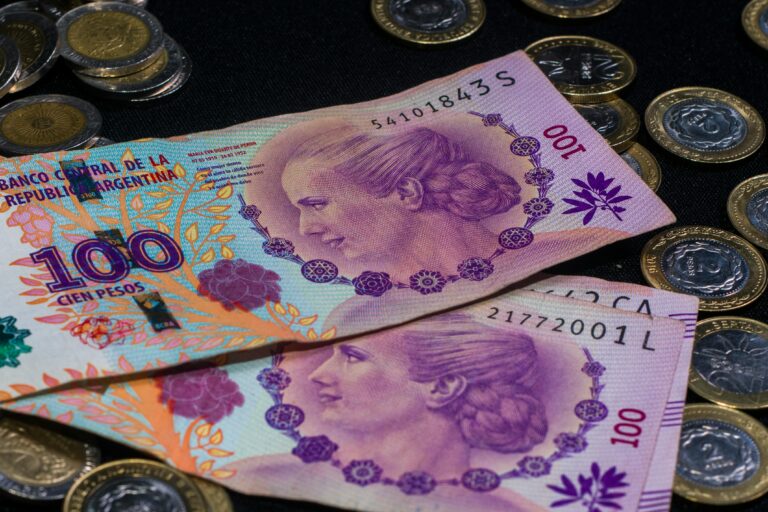
This article delves into the recent $20 billion currency swap deal between Argentina and the US, exploring its profound implications for economic stability, international reserves, and the broader financial landscape. Understand how this significant agreement, aimed at enhancing exchange rate resilience, could indirectly influence your personal finance strategies and investment outlook, offering a comprehensive perspective on navigating a dynamic global economy.
The recent announcement of a $20 billion currency swap deal between the Central Bank of the Argentinian Republic (BCRA) and the United States Treasury Department, reported by Al Jazeera on October 20, 2025, represents a significant development for a nation long grappling with economic volatility. This agreement, coming just days before a crucial midterm election, signals a concerted effort to bolster Argentina’s financial resilience and offer a potential pathway to greater economic stability. For individuals striving to build and preserve wealth, understanding such macro-economic events is paramount, as they often ripple through global markets, influencing everything from investment returns to the cost of living.
At its core, a currency swap is an agreement between two parties to exchange principal and/or interest payments in different currencies. In this particular case, it involves the central banks of two nations, allowing Argentina to access a substantial amount of US dollars in exchange for pesos. This mechanism is not merely about exchanging money; it’s a strategic tool designed to enhance liquidity, manage foreign exchange risk, and, critically, support a country’s monetary and exchange rate policies. For Argentina, a nation where the peso has recently hit record lows against the dollar, such an agreement can provide a much-needed lifeline, offering a buffer against speculative attacks and providing a foundation for more predictable economic conditions.
Understanding the Currency Swap Mechanism for Economic Stability
The intricacies of a currency swap often seem distant from daily financial decisions, yet their impact can be profound. When Argentina’s central bank engages in a swap with the US Treasury, it essentially means they can temporarily exchange a set amount of their domestic currency (Argentine pesos) for a set amount of US dollars, with an agreement to reverse the exchange at a future date and a predetermined exchange rate or with interest. This provides immediate access to a foreign currency, in this case, the globally dominant US dollar, without having to deplete existing foreign exchange reserves through direct market purchases.
The primary benefit for Argentina is the ability to expand its “set of monetary and exchange rate policy instruments,” as stated by the BCRA. This translates to several critical advantages. Firstly, it enhances the liquidity of Argentina’s international reserves. In simpler terms, it gives the central bank more readily available US dollars, which are crucial for servicing foreign debt, financing imports, and intervening in foreign exchange markets to stabilize the peso. Without sufficient dollar reserves, a country’s currency can be highly susceptible to rapid depreciation, leading to imported inflation and eroding purchasing power for its citizens.
Secondly, such an agreement acts as a powerful deterrent against capital flight and speculative attacks on the peso. When investors and citizens perceive a country’s central bank has ample foreign currency reserves, they are less likely to panic and convert their local currency into dollars, which can exacerbate a currency crisis. The announcement of a $20 billion line of credit sends a strong signal of international support and financial backing, potentially calming market anxieties and fostering greater confidence in the Argentinian economy.
Argentina’s Persistent Economic Challenges and the Swap’s Role
Argentina has a long and tumultuous history of economic instability, marked by recurring cycles of high inflation, currency devaluations, and sovereign debt crises. The Argentinian peso’s recent close at a record low of 1,475 per dollar underscores the severe challenges the country faces. This persistent devaluation directly impacts the daily lives of Argentines, eroding savings, increasing the cost of imported goods, and making long-term financial planning incredibly difficult. For a ‘Work to Wealth’ audience, this highlights the fragility of wealth in an unstable economic environment and emphasizes the importance of understanding underlying economic principles.
The current government, led by President Javier Milei, has embarked on an ambitious program of fiscal austerity and economic reforms aimed at taming inflation and fostering private-sector growth. However, such reforms often come with short-term pain, and their success hinges on maintaining market confidence and securing external financial support. The currency swap deal is an integral part of this comprehensive strategy. It provides a critical liquidity backstop, allowing the government more room to implement its reforms without the immediate threat of a full-blown currency crisis derailing its efforts. Without this safety net, any misstep or perceived weakness could trigger a rapid outflow of capital, further destabilizing the economy.
The US Treasury, through Secretary Scott Bessent, has indicated that the arrangement would be backed by International Monetary Fund Special Drawing Rights (SDRs) held in the Treasury’s Exchange Stabilization Fund, which would be converted to dollars. This detail adds another layer of credibility and international institutional support to the deal. SDRs are international reserve assets created by the IMF to supplement its member countries’ official reserves. Their involvement suggests a multilateral approach to supporting Argentina’s economic stability, demonstrating a broader recognition of the importance of a stable Argentinian economy for regional and global financial health.
Conditions and Commitment: Paving the Way for Sustainable Growth
Crucially, the US has stipulated that it would not impose additional conditions on Argentina beyond the Milei government’s continued pursuit of its fiscal austerity and economic reform programs. This emphasis on “good policies,” as clarified by Secretary Bessent, rather than specific political outcomes (like the midterm vote), underscores a pragmatic approach from the US. It signifies that the support is tied to economic fundamentals and a commitment to market-friendly policies designed to foster sustainable private-sector growth.
Fiscal austerity, typically involving cuts to government spending and efforts to balance the budget, is often a painful but necessary step for economies burdened by high debt and deficits. Economic reforms, such as deregulation, privatization, and efforts to improve the business environment, aim to attract foreign investment and stimulate domestic entrepreneurship. These policies, while controversial in some quarters, are widely seen by international financial institutions as essential for achieving long-term economic health. The currency swap deal thus acts as an encouragement and an enabler for Argentina to continue on this path, providing the necessary breathing room to implement these challenging but potentially transformative measures.
For the ‘Work to Wealth’ reader, this highlights a critical principle: sustainable wealth creation and preservation are deeply intertwined with sound economic governance. Countries with predictable fiscal policies, low inflation, and a supportive business environment tend to offer more stable and lucrative opportunities for investment and growth. Conversely, volatile economies, regardless of their natural resources or potential, present higher risks that can quickly erode wealth.
Global Ripple Effects: How Macro Events Impact Your Portfolio
While a currency swap deal between two nations might seem distant, its implications can be far-reaching, even for individual investors in other parts of the world. Global financial markets are interconnected, and significant events in one economy can create ripple effects elsewhere.
Firstly, increased stability in a major emerging market like Argentina can contribute to overall global market confidence. When an economy teeters on the brink, it can trigger concerns about contagion, impacting investor sentiment towards other emerging markets. A successful stabilization effort in Argentina, partly facilitated by this swap, can therefore reduce perceived risks for investors looking at broader emerging market opportunities. This might indirectly stabilize emerging market funds or individual stocks that are sensitive to such sentiment.
Secondly, for investors with a globally diversified portfolio, understanding currency dynamics is crucial. A stronger, more stable Argentine peso, even if temporary, can affect the valuations of multinational corporations with significant operations or sales in Argentina. It can also influence commodity prices, as Argentina is a major agricultural exporter. Changes in commodity prices can then impact various sectors, from food manufacturers to energy companies, ultimately affecting investment returns.
Thirdly, the deal showcases the ongoing geopolitical and economic influence of the US Treasury. Secretary Bessent’s announcements of US purchases of pesos in recent weeks, though details are undisclosed, further demonstrate proactive engagement. This kind of diplomatic and financial engagement can influence trade relationships, investment flows, and regional stability, all of which have indirect but tangible effects on global economic conditions. Investors must remain attuned to these international dynamics as part of a robust due diligence process.
Personal Finance in a Volatile World: Lessons from Argentina
The Argentinian situation, even with the promise of a stabilizing currency swap deal, serves as a stark reminder of the importance of robust personal financial planning, particularly in the face of economic uncertainty. For individuals aiming for ‘Work to Wealth,’ here are some key takeaways:
Diversification is Key: Just as nations seek to diversify their reserves, individuals should diversify their investment portfolios across different asset classes, geographies, and currencies. Relying too heavily on a single asset or market, especially in an inherently volatile one, can lead to significant losses during economic downturns. This deal shows that even large economies need external backing to diversify risk.
Emergency Funds are Non-Negotiable: In economies prone to sudden shifts, having a substantial emergency fund (typically 6-12 months of living expenses) is critical. This fund, ideally held in a stable currency or highly liquid assets, provides a buffer against unexpected economic shocks, job losses, or significant currency devaluations.
Inflation Hedging: For countries like Argentina, where inflation is rampant, strategies to hedge against rising prices are essential. This could involve investing in assets that historically perform well during inflationary periods, such as real estate, commodities, or inflation-protected securities. Understanding the mechanics of inflation and its impact on purchasing power is fundamental to long-term wealth preservation.
Understanding Global Economics: While you might not be directly investing in Argentina, global economic trends and international agreements like the currency swap can influence your local market. Staying informed about geopolitical events, central bank policies, and global trade dynamics can help you make more informed investment decisions and anticipate potential risks or opportunities.
Long-Term Perspective: Economic cycles are inevitable. While a currency swap can provide short-term relief and stability, sustainable wealth building requires a long-term perspective. Avoiding knee-jerk reactions to headlines and sticking to a well-thought-out financial plan is crucial for navigating both booms and busts.
The Role of Political Will and Policy Consistency
The political dimension of this currency swap deal cannot be overstated. Minister of Economy Luis Caputo’s desire to finalize the deal before the October 26 midterm parliamentary vote highlights the political pressure and the perceived need for a demonstrable win ahead of elections. US President Donald Trump’s comment about not “wasting our time” with Argentina if Milei’s party loses, though later clarified, underscores the political stakes involved.
Policy consistency is a cornerstone of economic confidence. When governments frequently shift economic policies, it creates uncertainty for investors, both domestic and international. The US Treasury’s emphasis on “good policies” regardless of the specific election outcome suggests a focus on the continuity of fiscal austerity and economic reforms. A positive result for Milei’s party in the midterms would help block any policy repeal efforts, thereby strengthening the perceived durability of the reform agenda.
For the individual investor, political stability and policy consistency are crucial factors to consider when evaluating any market. Economies where there is broad consensus on economic direction, or at least a predictable policy framework, tend to be more attractive for long-term investment. Frequent political upheavals or drastic policy reversals can introduce significant risks, making it difficult to project future returns or even preserve capital.
The Mechanics of International Financial Support
The $20 billion currency swap is a testament to the complex web of international financial support mechanisms available to countries facing economic distress. Beyond bilateral swaps, institutions like the International Monetary Fund (IMF) play a significant role. The mention of Special Drawing Rights (SDRs) backing the US side of the deal further highlights this interconnectedness.
SDRs are not a currency themselves, but a potential claim on the freely usable currencies of IMF members. They provide liquidity to the international monetary system. For the US Treasury to use its SDRs to back a currency swap implies a high degree of confidence in the underlying strength and liquidity of these international assets. This mechanism allows the US to support Argentina without directly impacting its own dollar reserves in a traditional sense, but rather by utilizing an international asset pool.
Such arrangements demonstrate the proactive measures global financial powers can take to prevent systemic risks and foster stability in key emerging markets. For ‘Work to Wealth’ practitioners, understanding these sophisticated tools provides a deeper appreciation of the global economic architecture and how international cooperation can influence market stability and investment climates. It’s not just about individual company performance; it’s about the broader environment in which those companies operate.
Future Outlook and Sustained Economic Health
While the $20 billion currency swap deal offers a valuable buffer, it is not a panacea for Argentina’s deep-seated economic issues. Its success will ultimately depend on the Argentinian government’s ability to consistently implement its announced reforms, control inflation, and rebuild investor confidence over the long term. The swap provides precious time and liquidity, but the heavy lifting of structural economic change still lies with the domestic policy agenda.
The aim is for these operations to “allow the BCRA to expand its set of monetary and exchange rate policy instruments, including the liquidity of its international reserves.” This expansion is critical. It enables the central bank to manage unexpected capital flows, prevent rapid currency depreciation, and conduct open market operations more effectively to influence interest rates and money supply. These are the foundational tools for maintaining macroeconomic stability.
For individuals, a stable macroeconomic environment translates into more predictable inflation, lower borrowing costs, and a more favorable climate for business growth and job creation. This, in turn, supports wealth accumulation through stable employment, appreciating asset values, and preserving purchasing power. Conversely, continued instability, despite a swap deal, can undermine these efforts. Therefore, the long-term success of Argentina’s reform agenda, supported by this deal, is crucial not just for Argentines but for anyone with interests in the stability of global financial markets.
In conclusion, the $20 billion currency swap deal is a significant move that provides Argentina with a critical tool for navigating its challenging economic landscape. It underscores the interconnectedness of global finance, the importance of sound economic policies, and the role of international cooperation in fostering stability. For those on the journey from work to wealth, this event serves as a potent reminder to stay informed, diversify wisely, and maintain a resilient financial strategy, understanding that macro-economic currents can profoundly shape personal prosperity.