

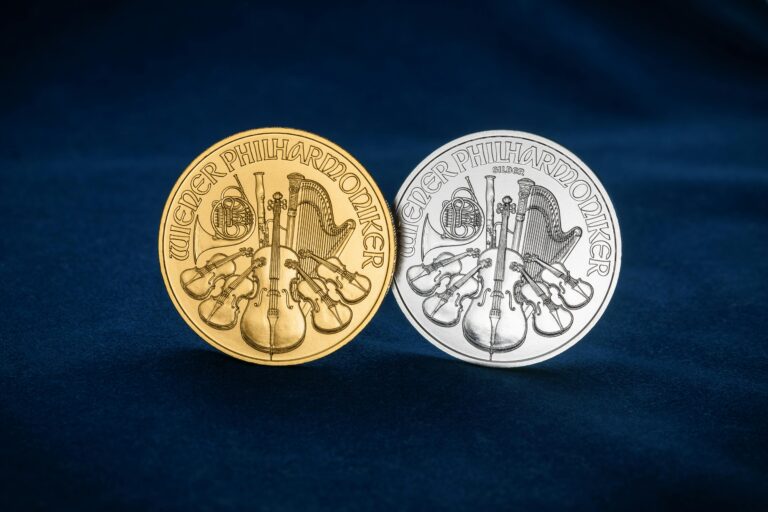
This article delves into the burgeoning world of silver investment, exploring its recent impressive gains and why it’s captivating both seasoned investors and newcomers. Discover how silver acts as a powerful portfolio diversifier and a potential hedge against economic instability, offering valuable insights for anyone seeking to fortify their financial future and find stability in turbulent times.
The precious metals market has been a fascinating landscape for investors, particularly in recent years. While gold traditionally holds the spotlight as the ultimate safe-haven asset, its often-overlooked counterpart, silver, has been quietly, yet powerfully, making its own remarkable ascent. As reported by NPR on October 18, 2025, veteran metals trader Robert Gottlieb highlighted that silver prices have been hitting all-time highs, sparking significant interest and prompting many to ask: Is silver investment becoming the new gold? This surge isn’t just a fleeting trend; it’s rooted in a complex interplay of supply and demand dynamics, economic uncertainty, and its unique dual role as both a monetary metal and an indispensable industrial commodity.
For those invested in wealth creation and preservation, understanding the forces driving silver’s value is paramount. This article aims to unpack the intricacies of the silver market, exploring why it’s gaining such traction, what makes it a compelling asset for diversification, and what considerations potential investors should keep in mind. We will delve into its historical significance, its critical industrial applications, the current supply deficits, and the macroeconomic factors that are collectively propelling this shining metal to new peaks.
The Resurgence of Silver Investment: A New Era
The recent rally in silver prices isn’t an isolated event; it follows a significant run in gold, with silver often playing catch-up. Robert Gottlieb noted that gold has become the “ultimate safe haven” over the past two years, and silver has predictably mirrored this trend. However, silver possesses characteristics that differentiate it from gold, positioning it for potentially even more dynamic movements. One of its most compelling attributes, as highlighted by Gottlieb, is a “unique property”: a five-year deficit where demand has consistently outstripped supply. This persistent imbalance creates a fertile ground for sustained price appreciation, drawing considerable attention to silver investment opportunities.
Beyond its role as a safe haven, silver’s historical significance as a monetary metal—having been denominated in currency in the past—lends it an inherent value that resonates with investors looking for tangible assets in an increasingly digital and volatile financial world. This combination of historical monetary value, current safe-haven appeal, and critical industrial demand makes silver a complex yet potentially rewarding asset class.
A Historical Perspective: Silver Through the Ages
To truly appreciate the current dynamics of silver investment, it’s beneficial to glance back at its long and storied history. For millennia, silver has been revered by civilizations across the globe. Ancient Egyptians used it for jewelry and religious artifacts. Greeks and Romans minted coins from it, establishing it as a foundation of commerce. Its intrinsic beauty and malleability made it ideal for adornment, while its scarcity and durability ensured its value as a medium of exchange.
Throughout much of history, silver often served alongside gold in bimetallic monetary systems. Its ratio to gold fluctuated, but it consistently held substantial value. The “silver standard” was once as prevalent as the gold standard, demonstrating its deep-rooted function as a store of wealth. This historical precedent solidifies its identity as a monetary metal, a property that continues to influence investor perception, especially during periods of economic uncertainty when confidence in fiat currencies may waver.
The industrial revolution brought new uses for silver, expanding its utility far beyond coinage and jewelry. Photography, for instance, relied heavily on silver halides, creating a significant new demand sector. While photography’s demand has waned with the advent of digital technology, other industrial applications have emerged and grown, ensuring silver’s continued relevance in the modern economy. This dual identity—as both a precious monetary metal and an essential industrial commodity—is fundamental to understanding its market behavior and the potential for a robust silver investment.
The Dual Engines of Demand for Silver Investment
What truly sets silver apart and contributes to its unique market dynamics are its two primary demand drivers: investment/monetary demand and industrial demand. Each sector influences silver’s price in distinct ways, and their combined strength is a major factor in its current surge.
Safe Haven and Monetary Demand
Like gold, silver benefits significantly from its safe-haven status. In times of economic and geopolitical uncertainty, investors flock to tangible assets perceived as stores of value, away from potentially volatile stocks or depreciating fiat currencies. Robert Gottlieb explicitly mentioned the “tremendous amount of economic and political uncertainty” globally, coupled with concerns about specific administrations and geopolitical tensions, as key drivers for this demand. Countries are even diversifying away from the dollar, further bolstering the bid for safe-haven assets.
The appeal of silver investment as a safe haven is multifaceted. It offers protection against inflation, as its intrinsic value tends to rise when the purchasing power of currencies erodes. It serves as a hedge against market volatility, often moving inversely to equity markets. Furthermore, its historical role as a monetary metal provides a psychological comfort to investors, who view it as a reliable form of wealth preservation, particularly when government debt levels are high or central banks engage in expansive monetary policies. While individual investors have traditionally gravitated towards gold, Gottlieb suggested that “individuals haven’t really gone into the silver like they have gone into gold,” indicating a potential for further “catch-up” growth in silver as awareness spreads.
Industrial Demand: The Silent Powerhouse
Perhaps the most compelling and often underestimated driver for silver investment is its extensive industrial usage. Silver boasts the highest electrical and thermal conductivity of all metals, along with excellent reflectivity, making it indispensable in a vast array of high-tech and everyday applications. This industrial demand is not only significant but also growing, particularly with the global push towards green energy and advanced technologies.
- Solar Panels: Silver paste is a crucial component in photovoltaic cells, facilitating the conversion of sunlight into electricity. As governments and industries worldwide commit to renewable energy targets, the demand for solar power is escalating, directly translating into increased demand for silver. Each solar panel, though using a small amount, collectively represents a massive consumption of silver globally.
- Electronics: Silver’s superior conductivity makes it vital for connectors, switches, and conductive adhesives in virtually all electronic devices, from smartphones and laptops to automotive systems and medical equipment. As technology advances and devices become smaller and more powerful, the need for efficient electrical conductors like silver only intensifies.
- Automotive Industry: Modern vehicles, especially electric and hybrid models, are packed with electronics. Silver is used in various components, including battery connections, infotainment systems, and numerous sensors. The transition to electric vehicles (EVs) is expected to significantly boost silver demand from this sector.
- Medical Applications: Silver’s potent antimicrobial properties make it invaluable in healthcare. It’s used in wound dressings, medical coatings, and water purification systems. The ongoing focus on public health and hygiene ensures a steady demand from this sector.
- Brazing and Soldering Alloys: Silver alloys are used for strong, durable, and leak-tight joints in refrigeration, air conditioning, and aerospace industries. Their high strength and excellent wetting properties are critical in these applications.
- Catalysts: Silver acts as a catalyst in various chemical reactions, including the production of ethylene oxide, a key ingredient in many industrial chemicals.
This diverse and growing industrial consumption forms a robust floor for silver prices. Unlike gold, which is primarily a monetary asset, silver’s industrial utility means its demand is tied to global economic growth and technological innovation. This makes silver investment particularly appealing to those who believe in the continued advancement of technology and the green energy transition.
The Supply Side of the Silver Investment Equation
While demand is surging, the supply side of the silver market presents its own set of challenges, contributing significantly to the current price rallies and the “five-year deficit” mentioned by Gottlieb. Understanding these supply dynamics is crucial for any prudent silver investment strategy.
Mining Output and By-Product Status
A unique aspect of silver supply is that roughly 70-80% of newly mined silver is extracted as a by-product of mining other base metals like lead, zinc, and copper, or even gold. Only a smaller percentage comes from primary silver mines. This “by-product” status has significant implications:
- Less Price Responsiveness: Silver supply is less responsive to its own price. If silver prices rise, miners of lead or zinc aren’t necessarily incentivized to increase their production if the primary metal’s price isn’t also high. This means that a surge in silver demand might not immediately translate into a corresponding surge in silver mining output.
- Geographical Concentration: As mentioned in the NPR report, Mexico is the largest producer of silver in the world, followed by countries like Peru, China, Australia, and Russia. This geographical concentration can introduce geopolitical risks and supply chain vulnerabilities.
- Peak Silver: Some analysts argue that “peak silver” production from primary mines might have already occurred, suggesting that finding new, economically viable silver deposits is becoming increasingly challenging and costly.
Recycling and Inventory Levels
Recycling plays a critical role in supplementing newly mined supply. Sources of recycled silver include industrial scrap, old jewelry, and silverware. Gottlieb pointed out that “the higher price has created some selling in the states – for instance, people that have inherited their grandmother’s silverware,” leading to refineries being “inundated.” This influx of scrap can temper price increases to some extent, but it’s often not enough to fully cover the demand deficit.
Inventory levels in major exchanges and warehouses (like the CME warehouses mentioned, which once held 250 million ounces of physical silver) are also key indicators. A drawdown in these inventories can signal strong physical demand and contribute to price pressures. Persistent deficits, where annual demand exceeds total supply (mining plus recycling), inevitably lead to a depletion of existing above-ground stocks, further tightening the market for silver investment.
The Impact of Tariffs and Trade Policies
The NPR report highlighted the direct impact of trade policies on silver prices. The threat of tariffs, and their eventual imposition on key producers like Mexico and Canada, restricted the amount of silver available, causing prices to rise in the U.S. “higher than the price of silver abroad.” This demonstrates how political decisions and trade tensions can directly affect commodity markets, adding another layer of complexity to the silver investment landscape. Such policies can disrupt supply chains, increase import costs, and create regional price discrepancies, all of which can influence investment decisions.
Macroeconomic and Geopolitical Influences on Silver Investment
The price of silver, like that of gold, is heavily influenced by broader macroeconomic trends and geopolitical events. These factors shape investor sentiment and drive flows into or out of precious metals.
Inflation and Interest Rates
Silver is often seen as a hedge against inflation. When the cost of living rises and currencies lose purchasing power, tangible assets like silver tend to retain or increase their value. Conversely, higher real interest rates (interest rates minus inflation) can make non-yielding assets like silver less attractive, as investors might prefer interest-bearing investments. However, in an environment where inflation is persistent and interest rates remain relatively low in real terms, silver’s appeal as an inflation hedge strengthens.
Strength of the US Dollar
As silver is primarily priced in US dollars, a weaker dollar generally makes silver (and other commodities) cheaper for holders of other currencies, thereby increasing demand and pushing prices up. Conversely, a strong dollar can make silver more expensive, potentially dampening demand. Gottlieb noted that countries are “diversifying away from the dollar because of all this uncertainty,” which directly benefits safe-haven assets like silver. This dynamic makes dollar strength or weakness a crucial factor to monitor for silver investment.
Global Economic Growth
Given silver’s significant industrial demand, global economic health plays a substantial role. A robust global economy, with strong manufacturing and technological advancement, typically leads to higher industrial consumption of silver, supporting its price. Conversely, economic slowdowns or recessions can dampen industrial demand, potentially putting downward pressure on prices. However, during such downturns, safe-haven demand can often counterbalance industrial weakness, showcasing silver’s unique resilience.
Geopolitical Uncertainty
The world stage is frequently marked by political instability, trade disputes, and regional conflicts. These uncertainties invariably drive investors towards safe-haven assets. Gottlieb’s comments about “geopolitical as far as I think people are afraid of what the U.S. can do” underscore how concerns about international relations and policy decisions can fuel demand for precious metals. In a fractured global landscape, silver investment offers a perceived anchor of stability.
Strategies for Silver Investment: Prudence and Diversification
With silver demonstrating such promising trends, many are considering adding it to their portfolios. However, as Robert Gottlieb wisely cautioned, for someone thinking of “emptying my savings – drain my retirement, it’s time to go all in on silver,” his advice would be to consider it as a “portfolio diversifier.” He emphasized that “when the stock market crashes or you have economic uncertainty and geopolitical uncertainty, the safe-haven assets, such as gold and silver, will outperform.” This highlights the importance of a balanced approach to silver investment.
Methods of Silver Investment
There are several ways to gain exposure to silver, each with its own advantages and disadvantages:
- Physical Silver: This involves purchasing actual silver in the form of bullion (coins, bars) or even jewelry and silverware.
- Pros: Tangible asset, no counterparty risk, direct ownership. Provides true safe-haven appeal.
- Cons: Storage costs (safe deposit boxes, secure home storage), potential for higher premiums over spot price, less liquid for large transactions, and security concerns. The selling of inherited silverware mentioned by Gottlieb is an example of accessing physical holdings.
- Silver Exchange-Traded Funds (ETFs): These funds hold physical silver on behalf of investors, allowing them to gain exposure without the hassle of physical storage.
- Pros: High liquidity, ease of trading, lower transaction costs compared to physical purchases.
- Cons: No direct ownership of physical metal (you own shares in the fund), management fees, and potential counterparty risk depending on the fund’s structure.
- Silver Futures Contracts: These are agreements to buy or sell a specific quantity of silver at a predetermined price on a future date.
- Pros: High leverage potential, can be used for hedging or speculation.
- Cons: Significant risk due to leverage, requires deep understanding of futures markets, and suitable primarily for experienced traders.
- Mining Stocks: Investing in shares of companies that mine silver provides indirect exposure to silver prices.
- Pros: Potential for capital gains beyond just the metal price (if the company performs well), dividends, and exposure to the operational efficiency of the mining business.
- Cons: Subject to company-specific risks (management, operational issues, geopolitical risks in mining regions), leverage to other metals (if silver is a by-product), and overall stock market volatility.
The Importance of Diversification in Silver Investment
Gottlieb’s advice about treating silver as a “portfolio diversifier” is critical. A diversified portfolio spreads risk across various asset classes, reducing the impact of poor performance in any single asset. Silver’s unique characteristics—its safe-haven appeal, inflation-hedging properties, and industrial demand—make it an excellent component for diversification. It often behaves differently from stocks, bonds, and even other commodities, providing a non-correlated asset that can stabilize a portfolio during market downturns.
A common strategy is to allocate a small percentage of a portfolio (e.g., 5-10%) to precious metals like silver and gold. This allows investors to benefit from their protective qualities without over-exposing themselves to the inherent volatility of commodity markets. For those concerned about accumulating wealth and building financial security, a measured approach to silver investment, integrated thoughtfully into a broader financial plan, is almost always the most prudent path.
Risk Management Considerations
While the current outlook for silver appears strong, it’s essential to acknowledge the risks involved:
- Volatility: Silver prices can be more volatile than gold, experiencing sharper swings due to its smaller market size and higher industrial dependency.
- Market Manipulation: The silver market has historically been subject to allegations of manipulation, though regulatory bodies strive to maintain fair practices.
- Storage and Insurance: For physical silver, these costs can eat into returns.
- Taxation: Capital gains taxes on physical silver can vary by jurisdiction and holding period.
Due diligence, understanding market fundamentals, and aligning silver investment with one’s individual risk tolerance and financial goals are paramount.
The Future Outlook for Silver Investment
What lies ahead for silver? Based on the current trends and expert opinions, the future for silver investment appears robust, supported by a confluence of enduring demand and constrained supply.
Continued Industrial Demand Growth
The global push for decarbonization and technological innovation will likely continue to drive industrial demand for silver. The widespread adoption of solar energy, the electrification of transportation, and advancements in 5G technology, medical devices, and other high-tech sectors all rely heavily on silver’s unique properties. As these trends accelerate, industrial consumption is expected to remain a powerful underlying force supporting silver prices. New applications or enhanced efficiencies in existing ones could further cement its indispensable role in the modern economy.
Persistent Safe-Haven Appeal
Given the ongoing global economic and political uncertainties, the demand for silver as a safe-haven asset is unlikely to diminish anytime soon. Inflationary pressures, geopolitical tensions, and concerns about the stability of traditional financial systems will continue to steer investors towards tangible assets. As Gottlieb articulated, this persistent global uncertainty is a primary reason for the increased bid on safe-haven assets.
Supply Challenges and Market Deficits
The “five-year deficit” in silver supply versus demand, as noted by Gottlieb, suggests a tightening market. Unless there’s a significant increase in primary silver mining or a dramatic shift in recycling efficiency, this deficit could persist, putting upward pressure on prices. While higher prices do incentivize some selling of existing physical silver (like inherited silverware), this scrap supply may not be sufficient to offset the structural demand gap. The by-product nature of much of silver mining means that its supply is less flexible, making it difficult for production to quickly respond to rising silver prices alone. This structural imbalance points to a favorable environment for silver investment in the long term.
The Gold-Silver Ratio
The gold-silver ratio, which indicates how many ounces of silver it takes to buy one ounce of gold, is another important metric. Historically, this ratio has varied, but often during economic uncertainty, gold outperforms silver, pushing the ratio higher. As markets stabilize, silver tends to catch up, causing the ratio to fall. If, as Gottlieb suggests, individuals are yet to enter the silver market with the same enthusiasm as gold, there could be significant room for silver to narrow this ratio, implying further price appreciation relative to gold. This “catch-up” potential makes silver investment particularly interesting for those looking for assets that may be undervalued relative to their historical peers.
Gottlieb’s Outlook
Veteran trader Robert Gottlieb, author of the upcoming book “Mastering Gold And Silver Markets,” clearly sees a continued role for silver as a safe-haven asset. His observations about refineries being “inundated” with recycled silver due to higher prices underscore the immediate market response, but also the underlying strength that compels people to invest. His long-term perspective suggests that silver will remain a key asset for investors navigating an unpredictable global economy.
Conclusion: Embracing Silver’s Potential for Wealth Building
The current surge in silver prices, driven by a powerful blend of increasing industrial demand, persistent supply deficits, and its enduring role as a safe-haven asset, marks a compelling moment for silver investment. From its indispensable role in green energy and advanced electronics to its historical function as a monetary metal, silver embodies a unique blend of utility and intrinsic value that few other commodities can match.
While the allure of rapid gains can be strong, the wisdom of seasoned experts like Robert Gottlieb reminds us to approach silver not as a speculative gamble, but as a strategic portfolio diversifier. In a world fraught with economic uncertainties and geopolitical complexities, silver offers a tangible anchor, a hedge against inflation, and a potential avenue for significant wealth preservation and growth. For those committed to the ‘Work to Wealth’ philosophy, understanding and strategically integrating silver into one’s investment strategy could prove to be a remarkably astute decision, paving the way for a more resilient and prosperous financial future. As the market continues to evolve, silver’s dual nature ensures its place as a metal of profound importance, both economically and industrially.