

In an era defined by economic uncertainty and shifting global dynamics, the allure of gold as a reliable store of value has once again captured worldwide attention. This article delves into the unprecedented surge in gold prices, examining how factors like potential U.S. government shutdowns, evolving monetary policies, and geopolitical tensions are collectively driving this precious metal to record highs. Understand the mechanisms at play and discover how gold continues to serve as a critical hedge for portfolios seeking stability and wealth preservation in turbulent times.
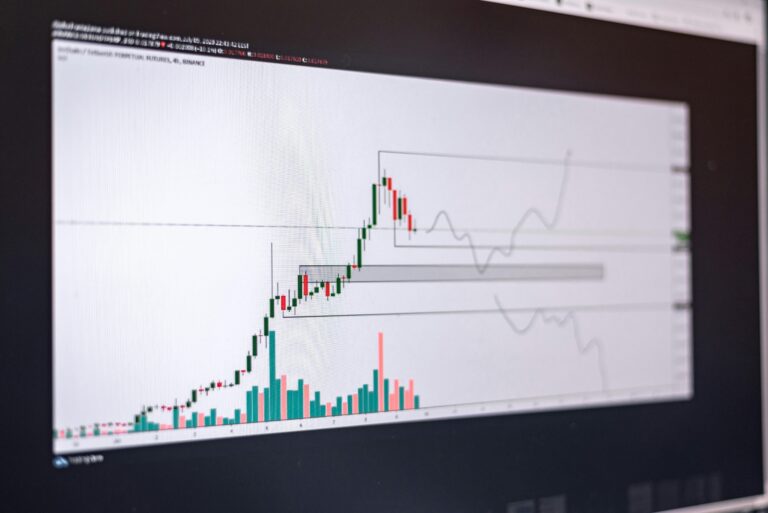
The precious metal gold has recently commanded headlines, soaring past significant thresholds to reach unprecedented highs. This remarkable ascent, with prices breaching $3,800 an ounce for the first time on Monday, September 29, 2025, reflects a profound shift in investor sentiment and a confluence of powerful economic and political forces. According to ActivTrades trading data, gold climbed 1.50% on that day, touching an intraday peak of $3,819.62, and is now on pace for its largest annual gain since 1979, having surged more than 45% in 2025. This significant rally is not merely a fleeting market anomaly but a clear indicator of growing global unease and a renewed appreciation for gold‘s intrinsic value as a safe haven.
The Looming U.S. Shutdown and Its Impact on Gold
One of the most immediate and impactful catalysts for gold‘s recent surge is the looming threat of a U.S. federal government shutdown. As funding is set to expire at midnight on September 30, a failure by Congress to finalize a budget agreement before the new fiscal year begins on October 1 would trigger a shutdown. This recurring political drama, where lawmakers fail to pass the necessary appropriations bills, leaves federal agencies without the legal authority to spend money. Consequently, many departments must halt operations, placing staff on furlough, while only essential functions, such as national security and air traffic control, remain operational.
The current standoff in Washington is a stark reflection of deep political divisions. Reports indicate that Democrats are insisting on short-term funding measures that include provisions such as extended health care subsidies, restored Medicaid funding, and support for public media. Republicans, who currently control both chambers of Congress, have rejected these demands as unrealistic. This political deadlock has created an environment of significant uncertainty, amplifying concerns about economic stability and governmental reliability.
Historical Precedent and Escalating Concerns
Shutdown threats have become an unfortunate feature of U.S. budget politics, but their consequences can be severe. The most notable recent example occurred in 2018 during a previous administration, when a dispute over border wall funding triggered a 34-day shutdown—the longest in modern history. During that period, approximately 800,000 federal employees went without pay, and numerous government services ground to a halt, causing widespread disruption and economic drag. The memories of this prolonged closure continue to influence investor behavior, reinforcing fears of similar or even worse disruptions.
What makes the current standoff particularly alarming is a directive reportedly issued by the White House, urging agencies to prepare not just for temporary furloughs, but also for the possibility of permanent layoffs in programs most at risk of losing funding. This escalation in potential consequences has only heightened anxiety among investors and the public alike, signaling a potentially more severe economic and social impact than previous shutdowns.
The “Flight to Quality” Phenomenon and Gold
As the risk of a U.S. government shutdown intensifies, investors naturally seek protection from the growing uncertainty. This behavior is commonly described as a “flight to quality”—a strategic shift of capital away from riskier assets, such as equities or corporate bonds, into perceived safe-haven assets that are better able to preserve value during periods of stress. Flights to quality typically occur in moments of profound political dysfunction, financial instability, or significant geopolitical shocks—events that raise fundamental doubts about economic growth, government reliability, or the security of traditional investments.
In such tumultuous times, gold has historically stood out as one of the most reliable hedges. Unlike paper assets that depend on political agreements, corporate balance sheets, or government solvency, gold carries no counterparty risk. It is a tangible asset, universally recognized as a store of value across cultures and economies, making it an appealing choice when confidence in conventional financial systems falters. That dynamic is now playing out with renewed vigor.
The looming shutdown is profoundly shaking investor confidence in Washington’s ability to effectively manage fiscal policy. The specter of past shutdowns, especially the record 34-day closure in 2018, has reinforced fears of extensive disruption to federal services, unpaid government workers, and a broader drag on the economy. This time, warnings of permanent layoffs and deeper cuts have further amplified the anxiety, prompting a more aggressive move into safe-haven assets.
Simultaneously, this political standoff is unfolding against a backdrop of other destabilizing global forces. These include renewed tariff policies from previous administrations, ongoing geopolitical tensions in various regions of the world, and broader global economic headwinds. Taken together, these interconnected risks have significantly amplified safe-haven demand, pushing gold to new record highs as traders and long-term investors alike hedge against the possibility of prolonged instability in the world’s largest economy.
Other Influential Factors Driving Gold’s Rally
While the looming U.S. government shutdown is a major catalyst behind gold’s surge, several broader, long-term forces are also shaping demand for the metal. Together, these factors reinforce the safe-haven appeal of gold at a time of heightened global uncertainty, creating a powerful momentum that extends beyond any single event.
1. The Federal Reserve’s Shift Toward Lower Interest Rates
A weakening U.S. labor market has already prompted the Federal Reserve to implement interest rate cuts, and market expectations point to further easing in monetary policy in the months ahead. The relationship between interest rates and gold prices is often inversely correlated: lower rates reduce the returns on cash holdings and fixed-income investments, such as government bonds, making them less attractive to investors. When these yield-bearing assets offer diminished returns, non-yielding assets like gold become comparatively more appealing, as they retain their value over time without requiring interest payments.
Historically, gold prices tend to rise when interest rates fall, as investors rebalance their portfolios towards assets that provide protection against inflation and uncertainty rather than just income. This current cycle of expected rate cuts effectively lowers the opportunity cost of holding gold, making it a more compelling investment choice for those seeking to preserve capital in a low-yield environment. The shift from a tightening to an easing monetary policy stance by the central bank serves as a fundamental tailwind for gold’s valuation.
2. Rising Political Pressure on the Federal Reserve and the U.S. Dollar
Gold is also benefiting from growing concerns over U.S. monetary credibility and the independence of its central bank. Recent criticism from political figures, including former presidents, regarding the Federal Reserve’s policies and calls to limit its independence, have unsettled investors. Any perception that central bank policy is being unduly influenced by political agendas, rather than purely economic data and mandates, undermines confidence in the stability of the U.S. dollar and the Treasury market—both of which are cornerstones of the global financial system.
The U.S. dollar, as the world’s primary reserve currency, traditionally offers a degree of stability. However, when its long-term reliability or the independence of its monetary guardians is questioned, investors naturally seek alternative stores of value. In such an environment, gold becomes an appealing alternative store of value, operating outside the direct reach of domestic political influences. Its historical role as a universal currency, not tied to any single government’s fiscal or monetary policy, positions it as a preferred asset when the integrity of national currencies comes under scrutiny.
3. Central Banks Building Strategic Gold Reserves
Beyond private investors, central banks themselves have emerged as significant buyers of gold in recent years, a trend that is profoundly impacting its price and perceived value. Nations like China, for instance, have been aggressively expanding their gold holdings as part of a broader strategy to diversify reserves away from the U.S. dollar and reduce reliance on Western financial hubs. This strategic move is driven by a desire to enhance financial independence and mitigate risks associated with over-reliance on a single currency or geopolitical sphere.
This trend is not isolated. According to the World Gold Council’s 2025 Central Bank Gold Reserves Survey, a substantial 43% of central bankers anticipate their institutions will increase their gold holdings, while an even higher 95% believe global official reserves will continue to rise over the next year. Their reasoning is clear and consistent: gold’s long-standing role as a proven hedge against crisis, inflation, and currency volatility makes it an indispensable component of national reserves. It represents a fundamental shift in how central banks perceive and manage global financial risk.
Similarly, the OMFIF Global Public Investor 2025 report further corroborates this trend, finding that nearly one-third of central banks plan to increase gold purchases over the next 12–24 months. By adding gold to their balance sheets, central banks send a powerful signal to markets: that gold is not only a financial hedge but also an important geopolitical tool, reinforcing its role as a core reserve asset in an increasingly fragmented and uncertain global economy. This institutional demand provides a robust floor and ongoing impetus for gold prices, distinct from speculative retail or private investment flows.
4. Geopolitical Tensions and Trade Conflicts
Finally, persistent and escalating geopolitical risks are adding significant fuel to gold’s rally. Trade disputes, such as those sparked by tariff policies from previous U.S. administrations, ongoing conflicts in regions like Eastern Europe and the Middle East, and growing concerns over energy security, have collectively heightened global instability. These multifaceted risks push investors to diversify away from assets tied to specific regions or political systems and into gold, which is universally recognized as a neutral, safe store of value.
Historically, geopolitical crises have been among the most powerful triggers for gold rallies. In times of international friction, political instability, or military conflict, investors often seek the perceived safety of gold to hedge against sudden market shocks, potential capital controls, or disruptions in global trade and financial flows. Gold’s unique position as a truly global asset, independent of national borders and political allegiances, makes it an indispensable component of portfolios navigating an increasingly volatile world. The current geopolitical landscape, marked by heightened tensions and a more fragmented global order, perfectly illustrates this dynamic, reinforcing gold’s critical role as a crisis hedge.
The Bottom Line: Gold as a Cornerstone Asset
Taken together, these forces—falling interest rates, political pressure on the Federal Reserve and the U.S. dollar, sustained central bank demand, and intensifying geopolitical tensions—form a powerful and mutually reinforcing backdrop for gold. Each of these factors, in isolation, would typically support higher prices for the precious metal. However, their convergence in late 2025 has created what many market observers describe as a “perfect storm,” propelling gold into an unprecedented rally. This isn’t merely a cyclical peak; it signals a fundamental revaluation of gold‘s role within global finance.
As investors grapple with a landscape characterized by economic policy uncertainty, heightened political risk, and a challenging global environment, gold is being increasingly recognized as a cornerstone asset in portfolios. Its enduring appeal lies in its ability to offer protection against various forms of instability—economic, political, and financial—that traditional assets might struggle to withstand. The current record highs are not just about market momentum; they reflect a deeper, structural shift in how both institutional and individual investors view wealth preservation and risk management in the 21st century.
The journey of gold prices in 2025 highlights its continued relevance as a crucial component for diversification and stability. For those looking to safeguard their wealth against the unpredictable currents of global finance, understanding these drivers is paramount. Gold is not just a metal; it is a timeless symbol of security, increasingly vital in a world striving for financial resilience amidst perpetual change. Its performance underscores a renewed appreciation for tangible assets that stand apart from the complexities and uncertainties of modern paper-based financial systems.
Sources: CNBC, Wall Street Journal, Reuters, The Guardian, World Gold Council, ActivTrades.
Frequently Asked Questions
How does a U.S. government shutdown impact my gold investments?
A U.S. government shutdown typically increases market uncertainty and investor anxiety. In response, many investors engage in a “flight to quality,” moving capital from riskier assets like stocks into perceived safe havens such as gold. This increased demand for gold tends to drive its price upward, as seen in the current market. The disruption to federal services and potential economic drag enhance gold‘s appeal as a hedge against instability, positively influencing your gold investments.
Why are central banks accumulating more gold, and how does this affect its value?
Central banks, particularly those in countries like China, are increasing their gold reserves to diversify away from the U.S. dollar and reduce reliance on Western financial systems. They view gold as a hedge against crisis, inflation, and currency volatility. According to the World Gold Council and OMFIF reports, a significant percentage of central bankers plan to increase gold holdings. This sustained institutional demand acts as a powerful fundamental support for gold prices, reinforcing its role as a core reserve asset and contributing to its overall value appreciation.
Will lower interest rates continue to boost gold prices, and why?
Yes, lower interest rates generally continue to boost gold prices. When interest rates fall, the returns on alternative, yield-bearing assets like bonds and savings accounts become less attractive. Since gold does not offer a yield, its opportunity cost (the return foregone by not investing elsewhere) decreases. This makes gold more appealing to investors seeking to preserve capital and hedge against inflation in a low-yield environment, driving up demand and consequently its price. Expectations of further rate cuts strengthen this dynamic.
Is gold a reliable hedge against global geopolitical instability?
Historically, gold has proven to be one of the most reliable hedges against global geopolitical instability. During periods of trade conflicts, international disputes, and political unrest, investors often flock to gold due to its perceived neutrality and universal recognition as a store of value. Unlike assets tied to specific national economies or political systems, gold carries no counterparty risk and is not directly affected by the policies of any single government. This makes it an ideal asset for diversifying risk and protecting wealth during times of global uncertainty.
How does the U.S. dollar’s strength or weakness influence gold‘s value?
The U.S. dollar and gold prices often have an inverse relationship. When the U.S. dollar weakens, gold becomes cheaper for holders of other currencies, increasing demand and typically pushing prices higher. Conversely, a strong dollar makes gold more expensive for international buyers, which can depress demand. Additionally, concerns over the U.S. dollar’s long-term stability or the independence of the Federal Reserve can prompt investors to seek alternative stores of value, further benefiting gold as a safe-haven asset independent of any single national currency.