

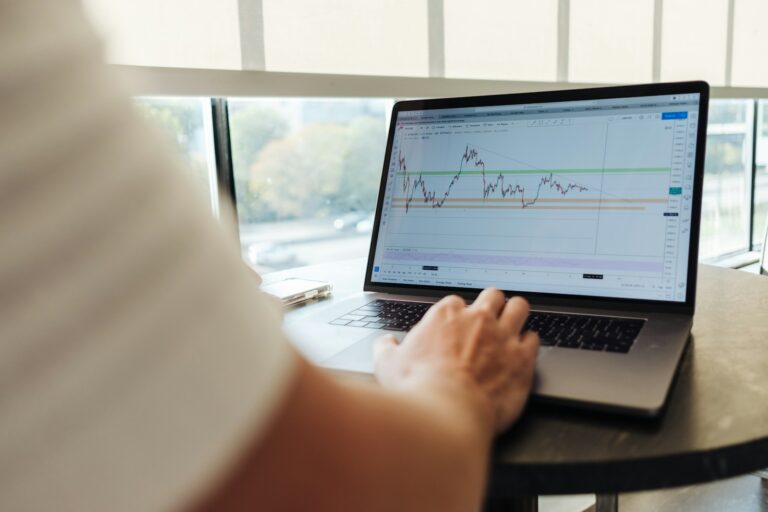
This comprehensive article delves into effective strategies for navigating the unpredictable currents of financial markets. It promises to equip investors with the knowledge and tools to convert periods of market volatility into sustained opportunities for wealth accumulation, regardless of current market conditions. Learn how to strengthen your portfolio and make informed decisions, transforming potential setbacks into significant gains.
The journey to significant wealth often feels like sailing through calm seas, but the reality is frequently more akin to navigating an ocean prone to sudden storms. Market volatility is an inherent and unavoidable characteristic of financial landscapes, presenting both considerable challenges and profound opportunities for those who understand how to interpret and react to its shifts. For many, the idea of seeing their investments fluctuate wildly can be a source of significant anxiety, leading to rash decisions or paralysis. However, a strategic approach to market volatility navigation is not just about weathering the storm; it’s about harnessing its energy to propel your wealth forward.
Understanding the dynamics of market fluctuations is the first step towards building a resilient portfolio capable of consistent growth. This article will explore the core concepts of volatility, dissect its common causes, and, most importantly, provide actionable strategies for investors to turn perceived risks into tangible rewards. From diversifying intelligently to leveraging advanced analytical tools, we will uncover how a proactive mindset can transform market turbulence from a threat to a powerful ally in your quest for financial independence.
Deconstructing Market Volatility Navigation: What It Means for Your Investments
At its essence, market volatility navigation refers to the degree of variation of a trading price series over time. In simpler terms, it measures how much an asset’s price moves up or down. High volatility signifies sharp, rapid price changes, while low volatility suggests more stable, gradual movements. This phenomenon is a constant in financial markets, influenced by a myriad of factors that can range from micro-economic data to global geopolitical events. For investors, recognizing volatility isn’t just about acknowledging its existence; it’s about understanding its implications for different asset classes and how it can impact short-term trading and long-term investment horizons.
Consider, for instance, the interplay between currency pairs and commodities, as seen in the relationship between a major world currency pair and oil prices. A country’s central bank decisions can significantly influence its currency’s strength, and simultaneously, global commodity prices, like crude oil, are subject to supply and demand shocks, geopolitical tensions, and even seasonal factors. These interconnected movements create a complex web where a sudden dip in oil prices might strengthen one currency while weakening another, directly affecting the profitability of international trades and commodity-linked investments. Understanding these relationships is crucial for effective market volatility navigation.
The Many Faces of Market Volatility
Volatility isn’t a monolithic entity; it manifests in various forms, each requiring a tailored response. There’s historical volatility, which looks at past price movements, and implied volatility, which reflects market participants’ expectations of future price swings. Economic data releases, such as inflation reports, employment figures, or GDP growth, often trigger immediate, sharp reactions across equity, bond, and currency markets. Central bank policy announcements, like interest rate decisions or quantitative easing measures, can also send ripple effects globally, impacting everything from government bond yields to corporate earnings.
Beyond economic indicators, geopolitical events – think elections, trade disputes, or international conflicts – introduce layers of uncertainty that can escalate fear and drive assets into or out of safe havens. Sector-specific news, such as regulatory changes affecting a particular industry or technological breakthroughs, can create significant swings within specific market segments, presenting opportunities for those who conduct thorough research. For example, shifts in policy regarding emerging industries, such as a specialized plant-based sector, can lead to substantial movements in related company stocks. Mastering market volatility navigation requires an appreciation for these diverse origins.
Why Volatility Isn’t Always Your Enemy
While the term “volatility” often carries negative connotations, implying risk and uncertainty, it’s crucial for investors to reframe their perspective. Volatility is, in fact, the engine of opportunity. Without price fluctuations, there would be no significant gains to be made. For long-term investors, market downturns caused by volatility can present excellent entry points to acquire quality assets at discounted prices. For active traders, volatility is the very condition that allows for quick profits through strategic buying and selling.
The key lies in differentiation: distinguishing between unproductive fear-driven reactions and informed, calculated responses. Periods of increased volatility test an investor’s discipline and conviction, often separating those with a well-defined strategy from those driven by emotion. By adopting a systematic approach to market volatility navigation, you can learn to exploit these price swings rather than be exploited by them. It’s about preparedness, strategy, and having the right tools at your disposal to make timely and intelligent decisions.
Essential Strategies for Effective Market Volatility Navigation
Successfully navigating volatile markets requires more than just luck; it demands a robust framework of strategies designed to protect capital and seize emerging opportunities. These strategies span various aspects of investing, from portfolio construction to psychological resilience. Implementing them consistently can make the difference between merely surviving market downturns and thriving through them.
1. Diversification: Your First Line of Defense
The bedrock of any resilient portfolio, diversification, becomes even more critical during periods of heightened volatility. The principle is simple: do not put all your eggs in one basket. By spreading your investments across different asset classes, industries, and geographical regions, you reduce the impact of a single underperforming asset or sector. When one part of your portfolio experiences a downturn, another might be performing well, thus smoothing out overall returns.
True diversification extends beyond just owning a mix of stocks and bonds. It involves considering various types of stocks (e.g., growth vs. value, large-cap vs. small-cap), different bond maturities and credit qualities, real estate, commodities, and even alternative investments. For instance, in a market where technology stocks are struggling, consumer staples or utilities might offer greater stability. A well-diversified portfolio is not designed to eliminate risk entirely, but rather to mitigate the severe impact of isolated events, allowing for more stable market volatility navigation.
2. Embrace a Long-Term Investment Horizon
One of the most common pitfalls during volatile periods is succumbing to short-term panic. Daily, weekly, or even monthly market fluctuations can be dramatic, but they often represent noise rather than fundamental shifts. For investors focused on long-term wealth accumulation, these short-term movements are less relevant than the underlying growth trajectory of quality assets. History shows that financial markets tend to recover from downturns and appreciate over extended periods.
Maintaining a long-term perspective allows you to ride out temporary declines, avoid selling at a loss, and benefit from eventual market recoveries. It encourages you to view market corrections not as catastrophes but as opportunities to buy more of your chosen assets at a lower cost, a strategy known as “buying the dip.” This mindset is crucial for effective market volatility navigation, as it prioritizes patience and conviction over emotional reactions.
3. Implement Robust Risk Management Techniques
Effective risk management is paramount in volatile markets. This involves setting clear boundaries for potential losses and protecting your capital.
- Stop-Loss Orders: For active traders, placing stop-loss orders can automatically sell an asset if its price falls to a predetermined level, limiting potential losses. While not foolproof, especially in fast-moving markets, they provide a valuable safety net.
- Position Sizing: Carefully determine how much capital you allocate to each investment. Avoid over-concentrating your portfolio in a single high-risk asset. A prudent approach often limits any single position to a small percentage of your total investable capital.
- Dollar-Cost Averaging: This strategy involves investing a fixed amount of money at regular intervals, regardless of the asset’s price. When prices are high, you buy fewer shares; when prices are low, you buy more. Over time, this averages out your purchase price and reduces the risk of making a large investment at an inopportune moment, making it an excellent tool for market volatility navigation.
4. Focus on Fundamental Analysis and Quality Assets
In volatile times, the true value of an asset often gets overshadowed by speculative trading and fear. This is precisely when fundamental analysis shines. By focusing on the intrinsic value of companies and assets, rather than their fluctuating market price, investors can identify strong businesses that are temporarily undervalued. Look for companies with solid balance sheets, consistent earnings, competitive advantages, and robust growth prospects.
These “quality assets” tend to be more resilient during market downturns and are often among the first to recover when confidence returns. A company with strong fundamentals can weather economic storms better than one built on speculative hype. Thorough due diligence, including examining financial statements, management quality, and industry outlook, becomes indispensable for informed market volatility navigation.
5. Utilize Technical Analysis for Timing and Trends
While fundamental analysis provides the “what to buy,” technical analysis can help with the “when to buy or sell.” Technical indicators and charting patterns can reveal trends, support and resistance levels, and potential turning points in an asset’s price action. This can be particularly useful for active traders seeking to capitalize on short-term price swings characteristic of volatile markets.
Tools available on comprehensive financial platforms often include advanced charting capabilities, various technical indicators (like moving averages, RSI, MACD), and pattern recognition features. Learning to interpret these signals can help in identifying optimal entry and exit points, managing risk, and confirming fundamental views with market sentiment. Combining both fundamental and technical analysis provides a more holistic approach to market volatility navigation.
6. Identify and Capitalize on Sector-Specific Opportunities
Even when the broader market is experiencing turbulence, specific sectors might be thriving or presenting unique buying opportunities due to policy shifts, innovation, or changing consumer trends. For instance, discussions around the expansion of a specialized plant-based product industry could highlight specific companies within that sector that are poised for significant growth, even as other industries face headwinds.
Vigilance and thorough research are key. Stay informed about legislative changes, scientific advancements, and demographic shifts that could impact particular industries. Using advanced screeners available on financial platforms can help you filter for companies within these emerging or resilient sectors, based on criteria like growth rate, valuation, or technical strength. This proactive approach to finding nuanced opportunities is a hallmark of sophisticated market volatility navigation.
7. Currency Strategies and Commodity Insights
For those with a global perspective or investing in international assets, understanding currency movements and commodity price dynamics is crucial. A strong domestic currency can make exports more expensive, affecting corporate earnings, while a weaker currency might boost them. Similarly, commodity prices, especially energy (like oil), metals, and agricultural products, can have far-reaching effects.
- Currency Pairs: Factors like interest rate differentials between countries (influenced by central bank stances), economic growth prospects, and geopolitical stability drive currency valuations. For example, a central bank signaling a hawkish monetary policy might strengthen its currency against others. Monitoring currency market data and analysis is essential for those with international exposure.
- Commodity Influence: Oil prices, for instance, impact transportation costs for businesses, inflation rates, and consumer spending power. Countries that are net exporters or importers of commodities are particularly sensitive to these price swings. An investor with a good grasp of commodity markets can anticipate broader economic shifts and adjust their portfolio accordingly, refining their market volatility navigation strategy.
Leveraging Advanced Tools for Smarter Market Volatility Navigation
In today’s fast-paced financial world, having access to cutting-edge analytical tools is no longer a luxury but a necessity for effective market volatility navigation. These platforms consolidate vast amounts of data, offering powerful features that can significantly enhance your decision-making process.
Accessing Comprehensive Market Data
A trusted financial analysis platform provides a wealth of real-time data across various asset classes. This includes:
- Stock Market Data: Detailed quotes, historical prices, volume data, and fundamental metrics for individual stocks.
- Options Market Pulse: Information on options contracts, including implied volatility, open interest, and unusual options activity, which can signal institutional moves.
- Futures Market Overview: Real-time prices for commodities, indices, and currencies traded on the futures market, crucial for understanding underlying economic trends.
- Forex Market Maps: Comprehensive data on currency pairs, exchange rates, and long-term trends, essential for international investors and traders.
- Economic Calendars: A schedule of upcoming economic reports and central bank announcements, helping you anticipate potential market-moving events.
Having this consolidated view allows you to quickly assess market sentiment and identify areas of interest, which is fundamental to successful market volatility navigation.
Powerful Screeners and Filters
The ability to sift through thousands of potential investments to find those that match your specific criteria is invaluable. Advanced screeners allow you to filter by:
- Performance Leaders: Identify stocks, ETFs, or funds showing the strongest percentage change or price gains.
- Volume Leaders: Pinpoint assets with unusually high trading volume, often indicating significant market interest.
- Technical Indicators: Filter for assets based on specific technical signals, such as moving average crossovers or RSI levels.
- Fundamental Metrics: Search for companies based on P/E ratio, dividend yield, revenue growth, or debt levels.
These tools empower you to quickly identify opportunities in volatile markets, whether you’re looking for undervalued gems or momentum plays. For example, you might screen for companies in a growing sector that have recently pulled back, offering an attractive entry point.
Advanced Charting and Technical Analysis
Visualizing price action and applying technical indicators is made easy with robust charting tools. Features typically include:
- Interactive Charts: Customize chart types (candlestick, bar, line), timeframes, and display options.
- Overlay Indicators: Apply a wide range of technical indicators directly onto your charts, such as Bollinger Bands, MACD, Stochastic Oscillator, and more.
- Drawing Tools: Use trend lines, Fibonacci retracements, and other tools to identify patterns and support/resistance levels.
The ability to perform in-depth technical analysis is crucial for timing trades and understanding market structure, which is a core component of effective market volatility navigation.
Trading Signals and Recommendations
Some platforms offer proprietary trading signals or recommendations based on complex algorithms or expert analysis. These can include:
- Top Stock Picks: Curated lists of stocks identified as having strong potential.
- Signal Strength and Direction: Indicators that show whether an asset’s price trend is strengthening or weakening.
- New Recommendations: Alerts on new buy or sell signals generated by the platform’s analysis.
While these signals should always be used in conjunction with your own research, they can provide valuable starting points or confirmations for your investment ideas, particularly when markets are moving erratically.
News and Research Feeds
Staying informed about market-moving news is critical. A good platform aggregates news from various sources, often providing:
- Real-time News Feeds: Immediate updates on corporate announcements, economic data, and geopolitical developments.
- Exclusive Analysis: Insights from market experts and contributors.
- Press Releases: Direct access to company and industry announcements.
This constant flow of information ensures you’re never caught off guard and can react swiftly to new developments, making your market volatility navigation more responsive and informed.
Building a Resilient Portfolio for Enduring Wealth Growth
The ultimate goal of mastering market volatility navigation is to construct a portfolio that not only withstands turbulent periods but also consistently grows your wealth over time. This involves a continuous process of strategic planning, disciplined execution, and regular review.
Strategic Asset Allocation and Rebalancing
Your asset allocation – the mix of different asset classes in your portfolio – should align with your financial goals, risk tolerance, and investment horizon. During stable periods, you might lean towards a higher allocation in growth-oriented assets. However, in times of increased volatility, it’s prudent to review if your current allocation still serves your objectives. You might consider adjusting your exposure to more defensive assets or those less correlated with the broader market.
Rebalancing is the practice of adjusting your portfolio periodically to maintain your target asset allocation. For example, if stocks have performed exceptionally well, their proportion in your portfolio might have grown beyond your desired allocation. Rebalancing would involve selling some stocks and buying more of your underperforming assets (like bonds) to bring the portfolio back into alignment. This disciplined approach prevents your portfolio from becoming overly exposed to a single asset class and ensures you’re consistently buying low and selling high, even if unconsciously.
Automated tools and features on financial platforms can help you monitor your asset allocation and even suggest rebalancing actions, simplifying this crucial aspect of wealth management. This systematic approach is a cornerstone of sophisticated market volatility navigation.
The Power of Emotional Discipline
Perhaps the most challenging aspect of investing in volatile markets is managing your own emotions. Fear and greed are powerful forces that can lead even experienced investors astray. When markets are plummeting, the urge to sell everything and protect what’s left can be overwhelming. Conversely, during euphoric bull runs, the fear of missing out (FOMO) can drive investors to chase speculative assets at inflated prices.
Developing emotional discipline means sticking to your predefined investment plan, even when your instincts are screaming otherwise. It involves trusting your research, adhering to your risk management rules, and remembering your long-term goals. Stepping away from the daily market noise, avoiding compulsive checking of your portfolio, and focusing on broader trends rather than intraday swings can help maintain a calm, rational perspective. A clear understanding of your personal risk tolerance and a well-articulated investment policy statement can serve as anchors during periods of extreme market sentiment.
Continuous Learning and Adaptation
Financial markets are dynamic ecosystems, constantly evolving in response to economic, technological, and social shifts. What worked yesterday might not work tomorrow. Therefore, continuous learning and adaptability are vital for sustained success in market volatility navigation.
- Stay Informed: Regularly consume reputable financial news, analysis, and research.
- Review and Refine: Periodically review your investment strategies and portfolio performance. Identify what worked, what didn’t, and why. Be open to refining your approach based on new insights and changing market conditions.
- Leverage Educational Resources: Many financial platforms offer educational content, webinars, and guides on various investment topics. Utilize these resources to deepen your understanding of market mechanics, new investment vehicles, and advanced strategies.
By committing to lifelong learning, you ensure that your strategies remain relevant and effective, allowing you to adapt to new forms of volatility and continually optimize your path to wealth growth.
Navigating Specific Scenarios in Volatile Markets
To further illustrate effective market volatility navigation, let’s consider a few specific scenarios and how the discussed strategies might apply.
Scenario 1: Geopolitical Tensions and Commodity Shocks
Imagine a situation where geopolitical tensions in a major oil-producing region escalate, leading to a sharp spike in crude oil prices. This would likely have several ripple effects:
- Inflation Concerns: Higher energy costs typically fuel inflation, putting pressure on central banks to consider interest rate hikes.
- Currency Movements: Currencies of oil-importing nations might weaken, while those of net exporters could strengthen. For example, a major world currency pair might see significant movement due to shifts in trade balances and central bank responses.
- Sectoral Impact: Transportation, manufacturing, and consumer discretionary sectors could face headwinds due to increased operating costs and reduced consumer spending. Conversely, energy companies might see increased profitability.
Navigation Strategy: A well-diversified portfolio might already have some exposure to energy stocks or commodities as a hedge. For those actively managing, this could be a time to lighten positions in vulnerable sectors and reallocate to more resilient ones or those benefiting from the commodity surge. Monitoring central bank communications and economic data releases for signs of inflation or policy shifts would be paramount. Utilizing a financial platform’s news feeds and economic calendar would be crucial for real-time information.
Scenario 2: Central Bank Policy Shifts
Consider a major central bank signaling a more aggressive stance on interest rate hikes to combat persistent inflation.
- Bond Market Reactions: Bond yields would likely rise, making existing bonds less attractive and potentially leading to capital losses for bondholders.
- Equity Market Impact: Higher interest rates increase borrowing costs for companies and can make equity valuations less attractive, potentially leading to a market correction, especially for growth stocks.
- Currency Strengthening: The currency of the nation whose central bank is hiking rates typically strengthens as it offers more attractive returns to international investors.
Navigation Strategy: Investors focused on market volatility navigation would review their bond portfolio’s duration risk. They might consider shifting towards shorter-duration bonds or inflation-protected securities. In equities, a move from high-growth, high-valuation stocks to more value-oriented, dividend-paying companies or sectors less sensitive to interest rates could be considered. Forex traders would actively look for opportunities in currency pairs, anticipating the strengthening domestic currency. Screeners for dividend-paying stocks or specific bond types would be useful here.
Scenario 3: Emerging Industry Growth and Speculation
Let’s imagine an emerging industry, such as a specific plant-based product industry, gaining significant traction. Early enthusiasm leads to rapid price appreciation for related company stocks, followed by a period of high volatility as investors try to discern long-term viability from speculative hype.
- High Valuation Risks: Many companies in nascent industries often trade at extremely high valuations based on future potential rather than current earnings.
- Regulatory Uncertainty: Emerging industries can be susceptible to sudden regulatory changes, which can drastically impact business models and profitability.
- “Bubble” Concerns: Rapid, speculative rises can lead to sharp corrections, causing significant losses for those who bought at the peak.
Navigation Strategy: For prudent market volatility navigation, fundamental analysis is key to separating truly innovative and financially sound companies from those purely riding the hype wave. Look for companies with strong intellectual property, clear paths to profitability, and sustainable competitive advantages. Diversify within the sector rather than putting all capital into one company. Implement strict risk management, including careful position sizing. Technical analysis can help identify overheated conditions or potential reversal points. News feeds focused on industry developments and regulatory updates would be indispensable.
Conclusion: The Path to Wealth Through Informed Market Volatility Navigation
The financial markets, with their inherent and often dramatic volatility, will always present a dynamic challenge to investors. However, as this comprehensive guide has detailed, volatility is not an insurmountable barrier to wealth accumulation; rather, it is a landscape to be understood, respected, and strategically navigated. By adopting a proactive, disciplined, and informed approach, you can transform what many perceive as a threat into a consistent source of opportunity.
The strategies outlined – from the foundational principles of diversification and a long-term perspective to the precise applications of risk management, fundamental and technical analysis, and sector-specific research – form a robust framework for enduring success. Furthermore, the judicious use of advanced financial tools, offering real-time data, powerful screeners, interactive charts, and expert insights, empowers you to make decisions with confidence and clarity, even in the most turbulent conditions.
Remember that successful market volatility navigation is as much about psychological resilience as it is about analytical prowess. Maintaining emotional discipline, avoiding impulsive reactions, and committing to continuous learning will solidify your position as a resilient investor. The path to lasting wealth is rarely a straight line; it’s a journey through peaks and valleys. By mastering the art of navigating market swings, you equip yourself not just to survive these movements but to thrive because of them, consistently moving closer to your financial aspirations.
Embrace volatility not as a foe, but as a feature of the market that, when understood and managed correctly, can unlock significant opportunities for compounding your wealth. The tools and knowledge are available; it is up to you to wield them effectively.
Frequently Asked Questions
How can I reduce anxiety during periods of extreme market volatility?
Reducing anxiety during periods of significant market volatility largely comes down to having a well-defined investment plan and emotional discipline. First, ensure your portfolio is well-diversified across various asset classes and sectors. Second, maintain a long-term perspective; remember that short-term fluctuations are normal, and markets historically recover over time. Third, implement robust risk management, such as setting stop-losses or using dollar-cost averaging, to automate decisions and reduce emotional reactions. Regularly review your financial goals and remind yourself why you invested in the first place. Avoiding constant monitoring of your portfolio can also help reduce stress.
Is market volatility always a negative sign for my wealth growth?
No, market volatility is not always a negative sign and can often present significant opportunities for wealth growth. While it implies increased risk, it also means greater potential for price movements, which skilled investors can capitalize on. For long-term investors, downturns caused by volatility can be ideal times to acquire quality assets at lower prices. For active traders, volatility creates the price swings necessary for short-term profits. The key is to distinguish between productive, informed reactions and fear-driven impulses, using strategies like fundamental analysis to identify undervalued opportunities.
What are the most important tools for effective market volatility navigation?
Effective market volatility navigation relies heavily on access to comprehensive analytical tools. Key tools include real-time market data (stocks, options, futures, forex), powerful screeners to filter investment opportunities based on specific criteria, advanced charting platforms for technical analysis (with various indicators and drawing tools), and reliable news and research feeds to stay informed about market-moving events. An economic calendar is also crucial for anticipating major announcements. These tools collectively provide the insights needed to make informed and timely decisions.
How does central bank policy impact my ability to manage market swings?
Central bank policies, particularly those related to interest rates and monetary stimulus, profoundly impact market swings. Changes in interest rates can affect corporate borrowing costs, bond yields, and currency valuations. For example, an interest rate hike might strengthen a country’s currency and potentially cool off equity markets. Understanding the central bank’s stance and anticipating their moves allows you to adjust your portfolio by reallocating assets, adjusting bond duration, or making informed currency trades. Monitoring economic calendars for central bank announcements is essential for this aspect of market volatility navigation.
Should I avoid specific emerging sectors like a specialized plant-based product industry during volatile times?
Not necessarily. While emerging sectors can experience heightened volatility due to rapid growth and speculative interest, they also offer significant wealth growth potential. The key is careful due diligence and strategic investment. Avoid chasing hype; instead, focus on companies with strong fundamentals, clear business models, and sustainable competitive advantages within the sector. Diversify your holdings within the sector, and implement strict risk management techniques. Emerging sectors can be part of a well-diversified portfolio, provided you approach them with informed research and a clear understanding of the risks involved in market volatility navigation.