

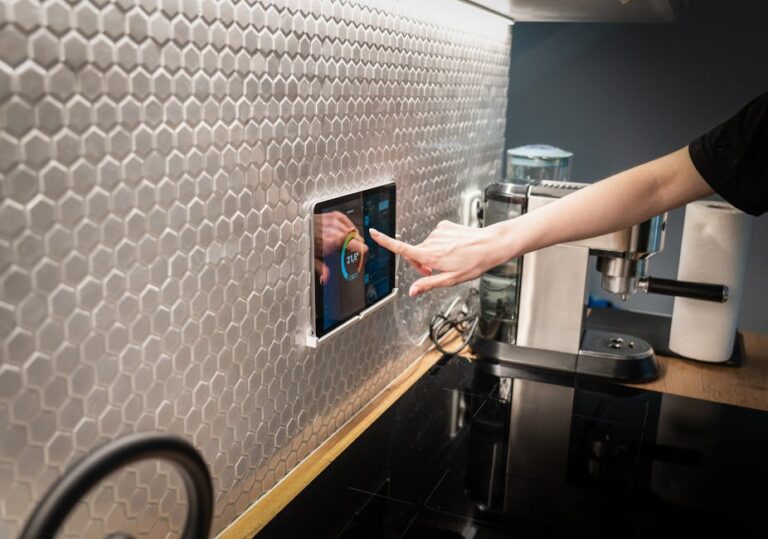
Considering an upgrade to your living space? This article explores the financial and lifestyle impacts of integrating Smart Home Technology, helping you determine if these connected solutions align with your wealth-building goals and everyday needs.
The concept of a “smart home” has transitioned from science fiction to an everyday reality for millions. With devices that can control everything from lighting to climate, security to entertainment, Smart Home Technology promises a future of unparalleled convenience and efficiency. But for those meticulously managing their finances and focused on building wealth, the question remains: is investing in Smart Home Technology truly worth it? Is it a luxury expense, or a strategic investment that delivers tangible returns? This comprehensive guide delves into the multifaceted aspects of smart home adoption, examining the financial benefits, lifestyle enhancements, potential pitfalls, and crucial considerations for making an informed decision.
In the realm of personal finance and wealth accumulation, every expenditure is scrutinized. While the allure of a connected home is strong, a prudent investor seeks to understand not just the immediate gratification but also the long-term value and return on investment. This article aims to provide a balanced perspective, dissecting the true cost versus the actual benefits of integrating Smart Home Technology into your living space, ensuring your decisions contribute positively to your financial well-being.
Defining Smart Home Technology: More Than Just Gadgets
Before evaluating the investment, it’s essential to understand what Smart Home Technology encompasses. It’s not merely about individual devices, but rather an ecosystem where various components communicate and work together, often autonomously, to simplify tasks and enhance living. At its core, it’s about automation, remote control, and intelligent responses to environmental changes or user commands.
Typically, smart home systems are built around a central hub or a collection of interconnected devices that can be controlled via a smartphone app, voice commands, or pre-set routines. These systems leverage internet connectivity, sensors, and artificial intelligence to create a more responsive and efficient living environment.
Key Categories of Smart Home Technology
The vast landscape of Smart Home Technology can be broadly categorized into several areas, each offering distinct benefits:
- Smart Security Systems: This includes smart door locks, video doorbells, security cameras (indoor and outdoor), motion sensors, and comprehensive alarm systems. These devices allow for remote monitoring, alerts for unusual activity, and often integrate with local emergency services.
- Energy Management Solutions: Smart thermostats learn your habits and adjust climate control for optimal energy use. Smart lighting systems allow for remote control, scheduling, and dimming, reducing electricity consumption. Smart plugs can turn off appliances that consume “phantom” power when not in use.
- Convenience and Automation: Voice-activated assistants, automated blinds, robot vacuums, and smart kitchen appliances fall into this category. They streamline daily routines, offer hands-free control, and free up valuable time.
- Entertainment Systems: Smart TVs, multi-room audio systems, and integrated media hubs provide seamless access to digital content and create immersive entertainment experiences throughout the home.
- Safety and Environmental Monitoring: Smart smoke and carbon monoxide detectors, water leak sensors, and air quality monitors provide early warnings for potential hazards, protecting both residents and property.
The synergy between these categories is where the true value of Smart Home Technology lies. For instance, a smart security system can work with smart lighting to illuminate paths if motion is detected, or a smart thermostat can communicate with window sensors to optimize heating or cooling based on whether windows are open.
Financial Upsides: How Smart Home Technology Can Deliver Savings
For the financially savvy individual, the most compelling argument for Smart Home Technology often revolves around its potential to generate tangible financial returns. While the initial outlay can be significant, the long-term savings and value appreciation can make it a wise investment.
Reducing Energy Consumption and Utility Bills
One of the most immediate and quantifiable financial benefits comes from enhanced energy efficiency. Energy management is a cornerstone of smart home design, offering substantial savings on electricity, heating, and cooling costs.
- Smart Thermostats: These devices learn your preferred temperature settings and adjust them based on occupancy, time of day, and even local weather forecasts. They can be controlled remotely, allowing you to turn down the heat or AC when you leave and warm/cool the house just before you return. Studies have shown that smart thermostats can reduce heating and cooling costs by an average of 10-15%, which translates to hundreds of dollars saved annually for many households.
- Smart Lighting: LED smart bulbs consume significantly less energy than traditional incandescent bulbs and offer extended lifespans. Beyond that, smart lighting systems allow for scheduling, dimming, and motion-activated control, ensuring lights are only on when and where needed. Imagine lights automatically turning off when a room is empty or dimming at sunset. These features can cut lighting energy consumption by as much as 20-30%.
- Smart Plugs and Appliance Monitoring: Many electronics continue to draw power even when turned off – this is known as “phantom load.” Smart plugs can be programmed to cut power to these devices completely when they are not in use, eliminating wasted electricity. Monitoring devices can also highlight energy-hungry appliances, prompting more efficient usage or replacement.
Over several years, the cumulative savings from these energy-saving Smart Home Technology solutions can easily offset the initial investment, turning a perceived luxury into a financially responsible choice.
Potential for Insurance Premium Reductions
Insurance companies are increasingly recognizing the value of advanced home security systems. By reducing the risk of theft, fire, and water damage, Smart Home Technology can make your home a less risky asset to insure, potentially leading to lower premiums.
- Advanced Security Systems: Homes equipped with professionally monitored smart security systems, including motion sensors, door/window sensors, and surveillance cameras, are often eligible for discounts on homeowners’ insurance. These systems deter intruders and provide rapid alerts in case of a break-in, minimizing potential losses.
- Smart Smoke and Carbon Monoxide Detectors: Devices that can detect smoke or CO and send alerts to your phone or even directly to emergency services offer an added layer of safety. Some insurers may offer discounts for these proactive safety measures.
- Water Leak Detection: Smart water sensors can detect leaks early, preventing costly water damage that could otherwise lead to significant insurance claims. Early detection means faster mitigation and less expense, a benefit recognized by some insurance providers.
While the discounts may vary, they represent another tangible financial return on your investment in Smart Home Technology, adding to the overall savings profile.
Boosting Property Value and Market Appeal
In today’s competitive real estate market, a home equipped with modern, integrated Smart Home Technology can be a significant selling point, potentially increasing its market value and accelerating the sales process.
- Modernization and Convenience: Buyers are increasingly looking for homes that offer convenience and efficiency. Pre-installed smart features like integrated lighting, climate control, and security systems are perceived as valuable upgrades that save buyers the effort and cost of installing them post-purchase.
- Energy Efficiency Ratings: Homes with demonstrable energy savings from smart thermostats and lighting can command a higher price. Prospective buyers are often willing to pay more for properties that promise lower ongoing utility costs.
- Perceived Innovation and Future-Proofing: A home with an established smart ecosystem suggests a well-maintained and forward-thinking property. This perception can differentiate your home from others on the market, appealing to a tech-savvy generation of buyers.
- Enhanced Security as a Feature: A robust smart security system is not just about peace of mind; it’s a desirable amenity. Buyers recognize the value of built-in safety features, especially in family homes.
While it’s challenging to put an exact figure on the value add, real estate professionals often note that integrated smart home features can contribute a measurable percentage to a home’s overall appraisal, making Smart Home Technology a legitimate investment in your property’s equity.
Beyond the Wallet: Lifestyle Improvements with Smart Home Technology
While financial returns are crucial for wealth builders, the non-monetary benefits of Smart Home Technology often contribute significantly to quality of life, which itself has an indirect value. These advantages enhance comfort, security, and convenience, providing a return on investment in the form of a better living experience.
Enhanced Security and Unparalleled Peace of Mind
The ability to monitor and control your home’s security from anywhere offers immense peace of mind. Smart Home Technology transforms a passive dwelling into an actively protected environment.
- Remote Monitoring: Check on your home at any time, from any location, using connected cameras and sensors. See who’s at the door, verify if windows are closed, or keep an eye on pets or children.
- Instant Alerts: Receive immediate notifications on your smartphone for suspicious activity, such as an opened door or window, motion detection, or smoke alarms. This allows for swift action, whether contacting authorities or checking in.
- Automated Responses: Integrate security with lighting to deter potential intruders. Lights can automatically switch on if motion is detected after dark, creating the illusion of occupancy even when you’re away. Smart locks can be remotely secured if you forget to lock up.
- Emergency Preparedness: Smart smoke and carbon monoxide detectors not only alert you but can also notify emergency services directly, potentially saving lives and mitigating damage even when no one is home to respond.
This level of control and awareness provides a sense of security that is invaluable, reducing worry and allowing you to focus on other aspects of your life and wealth-building endeavors.
Unparalleled Convenience and Time Savings
One of the most celebrated aspects of Smart Home Technology is its capacity to automate mundane tasks and streamline daily routines, freeing up precious time and mental energy.
- Automated Routines: Set up routines that trigger multiple actions with a single command or on a schedule. For example, a “Good Morning” routine could open blinds, turn on specific lights, adjust the thermostat, and start the coffee maker. A “Good Night” routine could lock doors, turn off all lights, and arm the security system.
- Voice Control: Integrate voice assistants to control lights, thermostats, entertainment systems, and even smart appliances using simple spoken commands. This hands-free operation is particularly convenient when your hands are full.
- Remote Control: Forgot to turn off the lights? Want to pre-heat the oven on your way home? Remote access via smartphone apps allows you to manage various aspects of your home from anywhere with an internet connection.
- Personalized Environments: Adjust lighting scenes, music playlists, and climate control to suit different moods or activities with ease, creating a truly customized living experience.
The cumulative effect of these conveniences is a less stressful, more organized home environment, enabling residents to reclaim time and energy for more important pursuits.
Improved Comfort and Ambiance
Smart Home Technology also excels at creating a perfectly tailored and comfortable living space.
- Optimized Climate Control: Beyond energy savings, smart thermostats ensure your home is always at the ideal temperature, adjusting automatically before you arrive or based on the time of day, enhancing comfort.
- Dynamic Lighting: Smart lighting allows for precise control over brightness and color temperature, creating different moods for relaxation, work, or entertaining. Imagine warm, dim lighting for a cozy evening or bright, cool light for morning productivity.
- Air Quality Management: Smart air purifiers and monitors can detect pollutants and allergens, automatically cleaning the air to maintain a healthier indoor environment, especially beneficial for those with allergies or respiratory sensitivities.
- Seamless Entertainment: Multi-room audio systems allow music to follow you through your home, or create synchronized sound for parties. Smart TVs and media hubs simplify access to a vast array of entertainment options.
These enhancements contribute to a higher quality of life, making your home a more enjoyable and relaxing sanctuary.
Increased Accessibility for All
For individuals with mobility challenges, visual impairments, or other specific needs, Smart Home Technology can be truly transformative, fostering greater independence and safety.
- Voice Control: The ability to control lights, thermostats, and other devices purely through voice commands eliminates the need to physically interact with switches or knobs, which can be difficult for those with limited mobility.
- Automated Routines: Scheduled actions, such as automatically opening blinds or turning on lights at specific times, can simplify daily living for individuals who might otherwise struggle with these tasks.
- Remote Assistance: Caregivers can monitor and assist residents remotely, ensuring their safety and well-being without being physically present 24/7.
- Accessibility Features: Many smart devices offer integration with screen readers and other assistive technologies, further enhancing their usability for a wider range of individuals.
Investing in Smart Home Technology can therefore be an investment in inclusivity and quality of life for all household members, broadening its appeal beyond mere convenience.
The Investment Downside: Understanding the Costs of Smart Home Technology
While the benefits are compelling, it’s crucial for any investor to thoroughly understand the full spectrum of costs associated with Smart Home Technology. These costs extend beyond the initial purchase price and can include installation, ongoing fees, and the challenge of obsolescence.
Initial Purchase Price of Devices and Systems
The upfront cost of Smart Home Technology can vary widely, from a few hundred dollars for a basic setup to tens of thousands for a fully integrated, high-end system. This includes:
- Individual Devices: Smart bulbs, plugs, and basic voice assistants are relatively inexpensive, often ranging from $20 to $100 per unit.
- Core Systems: Smart thermostats, security cameras, and smart locks typically cost between $100 and $300 per device, with more advanced models reaching higher prices.
- Hubs and Controllers: Many smart home ecosystems require a central hub to connect and manage devices. These hubs can range from $50 to several hundred dollars, depending on their capabilities and brand.
- Comprehensive Kits: Some recognized brands offer starter kits that bundle several devices (e.g., a hub, a few sensors, and a smart bulb) at a discounted price, but scaling up still requires additional purchases.
For a complete home, the cumulative cost of acquiring all desired smart devices can quickly add up, requiring a significant initial budget allocation.
Installation Expenses
While many basic Smart Home Technology devices are designed for DIY installation, more complex systems often require professional setup, adding to the overall cost.
- DIY Installation: For simple devices like smart bulbs or plugs, installation is typically as easy as screwing in a bulb or plugging in a device. However, integrating multiple devices and setting up complex automation rules can still be time-consuming for non-tech-savvy individuals.
- Professional Installation: For wired security systems, complex home automation systems, or integrated audio-visual setups, professional installation is often recommended or even necessary. Electricians or specialized smart home integrators may charge hundreds or even thousands of dollars, depending on the scope and complexity of the project. This includes costs for wiring, mounting, and system configuration.
Ignoring potential installation costs can lead to budget overruns and frustration, especially when dealing with advanced Smart Home Technology solutions.
Ongoing Costs and Subscriptions
The investment in Smart Home Technology often doesn’t end with the initial purchase and installation. Many systems come with recurring fees or subscription models.
- Cloud Storage for Video: Smart security cameras and video doorbells often require a subscription for cloud storage of recorded footage. Without it, you might only get live feeds or limited local storage. These subscriptions typically range from $3 to $10 per device per month, or a higher amount for multiple devices.
- Professional Monitoring: For advanced security systems, professional monitoring services that alert emergency services in case of an alarm carry a monthly fee, usually between $15 and $60, depending on the level of service.
- Premium Features: Some Smart Home Technology platforms offer enhanced features, extended warranties, or priority support through a subscription model.
- Increased Internet Bandwidth: A home filled with connected devices will put a greater strain on your home internet connection. While not a direct smart home cost, it might necessitate upgrading your internet plan to maintain optimal performance, especially with multiple streaming cameras.
These recurring costs can significantly impact the long-term financial viability of your Smart Home Technology investment, and should be factored into your budget from the outset.
Maintenance, Upgrades, and Obsolescence
Like any technology, smart home devices require ongoing maintenance, are subject to upgrades, and can become obsolete over time.
- Software Updates: Devices frequently receive software and firmware updates. While these often bring new features and security patches, they can occasionally introduce bugs or compatibility issues.
- Hardware Lifespan: While many smart devices are built to last, components like batteries, sensors, and even internal processors can fail or degrade over time, necessitating replacement.
- Technological Obsolescence: The Smart Home Technology market evolves rapidly. A cutting-edge device today might be outdated or unsupported in a few years as new standards, protocols, and more advanced features emerge. This can lead to the need for costly upgrades or complete system replacements to maintain functionality and compatibility.
- Compatibility Shifts: As recognized brands acquire smaller companies or shift their ecosystem strategies, devices that once worked seamlessly together might lose functionality or require new hubs.
The ongoing commitment to keeping your smart home functional and up-to-date is a crucial financial consideration that often gets overlooked.
Potential Pitfalls: Risks and Challenges of Smart Home Technology Adoption
Beyond the financial costs, there are several inherent risks and challenges associated with adopting Smart Home Technology that discerning investors should be aware of. These can impact security, privacy, and overall user experience.
Privacy Concerns and Data Collection
Many smart devices collect vast amounts of data about your habits, routines, and even conversations. This data is often used to improve services, but it also raises significant privacy questions.
- Activity Tracking: Smart thermostats track your presence and temperature preferences. Smart speakers record voice commands. Smart cameras capture images and video. This creates a detailed digital footprint of your life.
- Data Sharing: While reputable brands have privacy policies, the data collected might be shared with third parties for various purposes, including targeted advertising. Understanding these policies is crucial.
- Risk of Misuse: In the wrong hands, this data could potentially be used for surveillance, identity theft, or other malicious activities.
Carefully review the privacy policies of any Smart Home Technology product you consider and ensure you are comfortable with the data practices of the manufacturers.
Security Vulnerabilities and Hacking Risks
Every internet-connected device represents a potential entry point for cyber threats. Smart Home Technology is no exception.
- Device Exploits: Poorly secured devices can be vulnerable to hacking, allowing unauthorized access to your home network, personal data, or even control of your smart home systems.
- Network Infiltration: If one smart device is compromised, it could potentially be used as a gateway for hackers to access other devices on your home network, including computers and smartphones.
- Physical Security Breaches: A compromised smart lock or security camera could undermine the very security it was designed to provide, potentially leaving your home vulnerable to physical intrusion.
Strong passwords, robust network security (e.g., a secure Wi-Fi password and firewall), regular software updates, and choosing devices from recognized brands with strong security track records are essential to mitigate these risks.
Compatibility Issues and Ecosystem Lock-in
The Smart Home Technology market is fragmented, with many different communication protocols and brand ecosystems. This can lead to frustrating compatibility challenges.
- Proprietary Systems: Many recognized brands develop their own ecosystems, meaning devices from one brand may not work seamlessly, or at all, with devices from another. This can force users into “vendor lock-in,” limiting choices and potentially increasing costs for expansion.
- Communication Protocols: Devices use various wireless protocols like Wi-Fi, Bluetooth, Zigbee, Z-Wave, and Thread. Ensuring all your devices can communicate effectively often requires a central hub that supports multiple protocols.
- Integration Challenges: Getting different devices and platforms to work together (e.g., a smart thermostat from one brand communicating with a lighting system from another) can require significant technical expertise or reliance on third-party integration platforms.
Careful planning and research into compatibility before purchasing Smart Home Technology devices are paramount to avoid frustration and ensure a cohesive system.
Technological Obsolescence and Rapid Pace of Change
The fast-moving nature of the tech industry means that Smart Home Technology can quickly become outdated. This can be a concern for long-term investors.
- Evolving Standards: New communication protocols, software standards, and features are constantly emerging, potentially rendering older devices less functional or unsupported.
- Product Discontinuation: Companies may discontinue older product lines or stop supporting specific features, leaving users with devices that no longer receive updates or work as intended.
- Investment Erosion: A significant investment in a system today might feel less valuable in just a few years as more advanced, efficient, or feature-rich alternatives enter the market.
While unavoidable to some extent, selecting devices from established brands known for long-term support and choosing systems that prioritize open standards can help mitigate the impact of obsolescence.
Complexity and Learning Curve
Despite promises of simplicity, setting up and managing a comprehensive Smart Home Technology system can be complex, especially for those who are not tech-savvy.
- Setup and Configuration: While individual devices might be easy to install, creating complex automation rules, integrating multiple platforms, and troubleshooting issues can be challenging.
- Troubleshooting: When devices don’t communicate or a routine fails, diagnosing the problem can require technical understanding of networks, protocols, and software.
- System Management: Regular maintenance, firmware updates, and adapting to new features require ongoing engagement, which might not appeal to everyone.
Consider your own comfort level with technology and be prepared for a learning curve, or budget for professional assistance, when investing in Smart Home Technology.
Making an Informed Decision: Is Smart Home Technology Right for You?
Ultimately, the decision to invest in Smart Home Technology is a personal one, weighing the benefits against the costs and risks, and aligning it with your individual financial and lifestyle goals. Here’s a framework for making an informed choice:
Assess Your Specific Needs and Priorities
What problems are you trying to solve with Smart Home Technology? Are you looking to:
- Significantly reduce energy bills? (Focus on smart thermostats, lighting, and plugs)
- Enhance home security and safety? (Prioritize smart locks, cameras, and alarm systems)
- Gain convenience and automate daily routines? (Consider voice assistants, smart switches, and universal remotes)
- Increase your home’s market value? (Focus on integrated systems that offer clear energy savings and modern appeal)
- Improve accessibility for a family member? (Look for voice-controlled or motion-activated devices)
Defining your primary motivations will help you prioritize which aspects of Smart Home Technology to invest in, preventing unnecessary purchases and ensuring your investment targets your most pressing needs.
Establish a Realistic Budget
As discussed, costs can vary dramatically. Determine how much you are willing to spend upfront and what your budget is for potential ongoing subscription fees and future upgrades. Remember to factor in potential installation costs if you opt for complex systems or professional help.
- Start Small: Don’t feel pressured to automate your entire home at once. Begin with a single smart thermostat or a few smart bulbs to test the waters and understand the technology before making larger commitments.
- Cost-Benefit Analysis: For each potential Smart Home Technology investment, estimate the potential financial savings (e.g., energy reduction, insurance discounts) and compare them against the initial cost and ongoing fees to calculate a rough ROI.
Research and Prioritize Compatibility and Open Standards
To avoid frustration and ensure longevity, thorough research is key.
- Choose Reputable Brands: Opt for recognized brands known for their security, reliability, and long-term software support.
- Look for Interoperability: Prioritize devices that support open standards (like Matter or Thread) or widely adopted ecosystems that offer good compatibility with other brands. This will give you more flexibility and reduce the risk of vendor lock-in.
- Read Reviews: Consult user reviews and independent expert analyses to understand real-world performance, ease of use, and common issues.
Consider the Long-Term Vision
How does Smart Home Technology fit into your broader wealth-building and lifestyle goals?
- Future-Proofing: While complete future-proofing is impossible, investing in modular systems that can be expanded and updated is generally a wiser approach than committing to rigid, all-in-one solutions.
- Resale Value: If increasing your home’s market value is a goal, focus on smart home features that are widely appealing and have a proven track record of desirability among buyers, rather than niche or highly personalized solutions.
Strategic Integration: Maximizing Your Smart Home Technology Investment
Once you’ve decided to proceed, a strategic approach to integrating Smart Home Technology can maximize your investment’s value and minimize potential headaches.
Prioritize for Tangible ROI
Begin with Smart Home Technology solutions that offer the most direct and measurable financial returns:
- Energy Management: Smart thermostats and lighting are often the quickest ways to see a reduction in monthly expenses. Start here to generate savings that can then fund further smart home upgrades.
- Security Enhancements: Upgrading to a smart security system can not only provide peace of mind but also lead to immediate insurance premium reductions, providing a clear financial benefit.
Adopt a Phased Implementation Approach
Instead of a costly and potentially overwhelming whole-home overhaul, integrate Smart Home Technology gradually:
- Start with a Single Room or System: Begin with one area (e.g., living room lighting) or one system (e.g., smart locks). This allows you to learn the technology, test compatibility, and ensure it meets your expectations before scaling up.
- Build on Success: Once you’re comfortable with your initial smart home investments, you can gradually add more devices and expand automation to other areas of your home. This phased approach also allows you to spread out the financial investment over time.
Focus on Core Infrastructure First
Ensure your home’s basic network infrastructure can support Smart Home Technology:
- Robust Wi-Fi: Invest in a reliable and strong Wi-Fi network that can handle multiple connected devices without performance degradation.
- Smart Hubs: Choose a versatile smart home hub that supports multiple communication protocols (e.g., Zigbee, Z-Wave, Thread, Wi-Fi) to ensure compatibility with a wide range of devices from different manufacturers. This provides a central brain for your smart home ecosystem.
Seek Professional Advice for Complex Setups
While DIY is tempting, for large or intricate Smart Home Technology systems, professional consultation or installation can save time, prevent costly mistakes, and ensure optimal performance.
- System Design: An experienced smart home integrator can help design a cohesive system tailored to your needs, budget, and future expansion plans.
- Expert Installation: Professionals can ensure devices are installed correctly, integrated seamlessly, and configured securely, minimizing security risks and compatibility issues.
The Future of Connected Living: Evolution of Smart Home Technology
The trajectory of Smart Home Technology is one of continuous innovation. Looking ahead, several trends promise to enhance its value proposition even further for homeowners and investors.
- Enhanced AI and Predictive Capabilities: Future smart homes will leverage artificial intelligence more deeply to anticipate needs, not just react to commands. Systems will predict preferred temperatures, optimize energy usage based on learned patterns and external factors, and proactively manage security.
- Greater Interoperability: Industry standards like Matter are gaining traction, aiming to create a truly seamless ecosystem where devices from different brands can communicate effortlessly. This will reduce compatibility frustrations and increase consumer choice, potentially lowering costs.
- Increased Affordability and Accessibility: As Smart Home Technology matures and becomes more widespread, manufacturing costs will likely decrease, making advanced features more accessible to a broader market, further enhancing their potential for widespread adoption and value.
- Focus on Wellness: Beyond comfort, smart homes will increasingly integrate features for health and wellness, such as advanced air quality monitoring, sleep tracking, and personalized lighting that aligns with circadian rhythms.
- Improved Security and Privacy: As the technology evolves, so too will the focus on robust security protocols and transparent privacy practices, addressing current concerns and building greater trust among users.
These developments suggest that the investment in Smart Home Technology today is not just for immediate gains but also positions homeowners to benefit from an increasingly sophisticated and integrated living experience in the years to come.
Conclusion: Weighing the Scales on Smart Home Technology
Is Smart Home Technology worth the investment? The answer is a nuanced “yes,” provided the investment is made strategically and aligns with individual goals. For those focused on building wealth, the financial benefits – significant energy savings, potential insurance discounts, and enhanced property value – can provide a compelling return. Beyond the monetary, the gains in security, convenience, comfort, and accessibility offer an invaluable improvement to daily living.
However, it is crucial to approach this investment with an awareness of the initial costs, ongoing fees, potential for obsolescence, and the critical need for robust security and careful consideration of privacy. By prioritizing needs, establishing a clear budget, researching compatibility, and adopting a phased implementation, you can leverage Smart Home Technology not just as a modern amenity, but as a strategic tool to enhance your home’s value, reduce expenses, and ultimately contribute to your financial well-being and a superior quality of life.
Frequently Asked Questions
My energy bills are too high. Can Smart Home Technology really cut them down significantly?
Yes, Smart Home Technology can significantly reduce your energy bills. Devices like smart thermostats learn your patterns and optimize heating/cooling, potentially saving 10-15% on related costs. Smart lighting systems, combined with LED bulbs, allow for scheduling and motion-activated control, cutting lighting energy use by 20-30%. Smart plugs eliminate “phantom load” from electronics. When strategically implemented, these technologies can lead to hundreds of dollars in annual savings, making your investment pay off over time.
I want to increase my home’s market value. How does investing in Smart Home Technology help?
Investing in Smart Home Technology can certainly boost your home’s market value and appeal. Modern buyers seek properties offering convenience, efficiency, and enhanced security. Pre-installed smart features like integrated energy management systems (smart thermostats, lighting) promise lower utility bills, which is a major draw. Advanced smart security systems also add a layer of desirability and can differentiate your home. These upgrades make your property appear modern and well-maintained, potentially commanding a higher sale price and a quicker sale.
I’m worried about privacy and security with connected devices. Are there safe ways to adopt Smart Home Technology?
Yes, safe adoption of Smart Home Technology is possible with careful planning. To address privacy concerns, always review the privacy policies of manufacturers to understand data collection and sharing practices. For security, choose reputable brands known for strong encryption and regular software updates. Use strong, unique passwords for all devices and your Wi-Fi network. Ensure your home network is secure (e.g., firewall enabled). Limiting the amount of personal data you share and being mindful of what devices you bring into your home can also significantly enhance security and privacy.
What’s the best way to start investing in Smart Home Technology without breaking the bank?
To start investing in Smart Home Technology affordably, begin with a phased approach. Don’t try to automate everything at once. Identify your most pressing needs (e.g., energy savings or basic security) and start with a few key devices like a smart thermostat, a few smart bulbs, or a video doorbell. Choose reputable brands that offer good value and look for compatibility with broader ecosystems to allow for future expansion. This allows you to learn the technology, realize initial savings, and then gradually expand your system as your budget allows.
I hear smart devices are complex to set up. Is Smart Home Technology user-friendly for non-tech-savvy people?
Many modern Smart Home Technology devices are designed with user-friendliness in mind, especially for basic functionalities. Devices like smart plugs and bulbs often have simple plug-and-play installation. Voice assistants and smart thermostats are also generally intuitive. However, integrating multiple devices from different brands or creating complex automation routines can become more challenging. If you’re not tech-savvy, focus on simpler, single-purpose devices first, or consider professional installation for more intricate systems to ensure a smooth, frustration-free experience.