

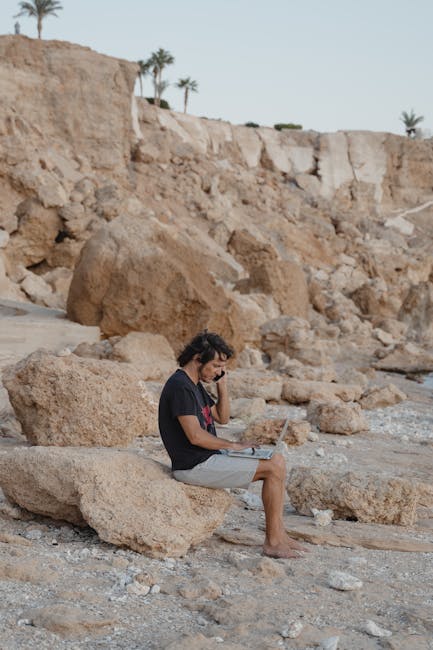
The desire for a flexible life and work beyond traditional office walls is a powerful motivator. This comprehensive article delves into the practicalities of embracing the Digital Nomad Lifestyle, offering actionable strategies to achieve financial independence and location flexibility. Whether you’re just starting to dream or ready to pack your bags, discover how to build a sustainable remote career and navigate the world while growing your wealth.
The concept of a Digital Nomad Lifestyle has captivated millions, offering a compelling alternative to conventional employment and fixed geographical locations. It represents not just a way to work, but a fundamental shift in how we perceive work, life, and personal freedom. At its core, it’s about leveraging technology to perform your job from anywhere with an internet connection, allowing you to travel, experience new cultures, and design a life that truly aligns with your personal values and financial aspirations. This guide aims to provide a robust framework for those aspiring to make this transition, ensuring that the pursuit of wanderlust is met with meticulous planning and financial acumen.
For many, the appeal is multifaceted: escaping the daily commute, living in lower cost-of-living areas, exploring new places, or simply having the autonomy to set one’s own schedule. However, realizing this dream requires more than just a laptop and a passport; it demands careful preparation, a solid financial foundation, and a deep understanding of the unique challenges and opportunities inherent in this way of life.
This extensive resource will walk you through every critical step, from crafting your financial roadmap and securing remote work to managing logistics across borders and sustaining your well-being on the move. Our goal is to equip you with the knowledge and tools necessary to transform the vision of a free, financially secure, and globally connected life into your tangible reality.
Understanding the Digital Nomad Lifestyle Demystified
Before embarking on this transformative journey, it’s crucial to fully grasp what the Digital Nomad Lifestyle truly entails. It’s not a perpetual vacation, but rather a way of working that integrates travel and exploration into your daily routine. This section will clarify the core tenets, dispel common myths, and present a balanced view of its advantages and disadvantages.
Defining the Digital Nomad Lifestyle
A digital nomad is someone who uses telecommunications technologies to earn a living and, more generally, conduct their life in a nomadic manner. Such workers often work remotely from foreign countries, coffee shops, co-working spaces, or recreational vehicles. They are distinct from typical remote workers in their emphasis on travel and living in various locations over time, rather than just working from a fixed home office. The flexibility to choose your living environment is a defining characteristic.
The Allure and Challenges of the Digital Nomad Lifestyle
The benefits of the Digital Nomad Lifestyle are numerous and compelling. They include unparalleled freedom and flexibility over one’s schedule and location, the opportunity to immerse oneself in diverse cultures, and often, a reduced cost of living by strategically choosing destinations where your income stretches further. Many find increased creativity and personal growth through constant exposure to new environments and challenges. The ability to escape the traditional 9-to-5 grind and craft a work-life balance that truly suits individual preferences is a powerful draw.
However, it’s vital to acknowledge the challenges. Loneliness and isolation can be real issues, especially when constantly moving and leaving behind newly formed connections. Maintaining a healthy work-life balance can be surprisingly difficult when your workspace is also your living space, or when the allure of exploration competes with work deadlines. Time zone differences can complicate collaboration with clients or teams. Furthermore, navigating visas, taxes, healthcare, and reliable internet in various countries adds layers of complexity that require diligent planning and adaptability. The initial setup phase can be stressful, requiring a significant amount of administrative effort.
Common Misconceptions About the Digital Nomad Lifestyle
Many assume that a digital nomad’s life is a constant vacation, filled with leisure and minimal responsibility. This is a significant misconception. While there are certainly opportunities for leisure and exploration, work remains central. The success of the Digital Nomad Lifestyle hinges on consistent productivity and effective time management. Another common myth is that it’s only for young, single individuals. In reality, people of all ages, backgrounds, and family structures, including couples and families with children, have successfully adopted this lifestyle. The key is careful planning tailored to individual circumstances, not age or relationship status.
The Foundation: Financial Preparedness for Digital Nomads
Financial stability is the bedrock of a successful Digital Nomad Lifestyle. Without a robust financial plan, the freedom and flexibility can quickly turn into anxiety and stress. This section will guide you through building a strong financial foundation, from budgeting and emergency funds to understanding income streams and cross-border financial considerations.
Crafting Your Budget for a Remote Life
A comprehensive budget is non-negotiable for digital nomads. It must account for variable expenses often overlooked in a stationary life. Start by tracking your current spending meticulously to identify areas for adjustment. Then, research the cost of living in your target destinations, including accommodation, food, transportation, local activities, and unexpected expenses. Factor in travel costs between locations. Creating a “worst-case scenario” budget can help you understand your minimum monthly financial requirement to sustain the Digital Nomad Lifestyle, even during lean times. Utilize budgeting apps or spreadsheets to keep a close watch on your income and outflow, adapting as you move between different economic environments.
Building a Substantial Emergency Fund
An emergency fund is even more critical for digital nomads than for traditional workers. Unexpected costs can arise frequently, from medical emergencies in a foreign country to sudden travel changes or periods of reduced income. Aim for at least six to twelve months of living expenses saved in an easily accessible account. This buffer provides peace of mind and allows you to navigate unforeseen challenges without disrupting your ability to maintain your Digital Nomad Lifestyle. This fund should be separate from any travel savings or investment accounts.
Diverse Income Streams for Digital Nomads
Reliance on a single income source can be precarious for anyone, but especially for digital nomads. Diversifying your income streams provides greater security and flexibility. Common avenues include:
- Remote Employment: Securing a full-time or part-time job with a company that operates entirely remotely. These roles often come with stable salaries and benefits. Many established companies now offer permanent remote positions, making this a viable option for a consistent income while pursuing the Digital Nomad Lifestyle.
- Freelancing: Offering your skills on a project-by-project basis to multiple clients. Popular platforms connect freelancers with opportunities in writing, graphic design, web development, marketing, and more. This offers immense flexibility but requires consistent effort in client acquisition and project management.
- Online Businesses: Creating and selling digital products (e-books, online courses, software), e-commerce (dropshipping, print-on-demand), or services (consulting, coaching). While often requiring more upfront effort to establish, online businesses can provide highly scalable and passive income, which is ideal for the Digital Nomad Lifestyle.
- Passive Income: Exploring investments that generate income without active daily involvement, such as dividend stocks, real estate investment trusts (REITs), or peer-to-peer lending. While not the primary source for most starting out, building passive income contributes significantly to long-term financial security and freedom for the Digital Nomad Lifestyle.
Navigating Tax Implications and Cross-Border Financial Planning
Taxation for digital nomads can be complex, involving understanding residency rules, tax treaties, and income sourcing. It’s crucial to consult with a tax professional experienced in international taxation to ensure compliance in both your home country and any countries where you spend significant time. Some countries offer specific digital nomad visas with clearer tax implications, while others may consider you a tax resident after a certain period. Ignoring tax obligations can lead to significant penalties. Effective financial planning also involves choosing suitable banking solutions that support international transactions with low fees, reliable currency exchange rates, and easy access to funds globally. Consider opening accounts with challenger banks known for their travel-friendly features, or utilizing platforms designed for international money transfers to minimize costs associated with foreign exchange.
Finding and Securing Remote Work for Your Digital Nomad Lifestyle
The pursuit of a Digital Nomad Lifestyle fundamentally relies on securing reliable remote work. This section will guide you through identifying marketable skills, exploring remote-friendly industries, and mastering the art of finding and landing remote positions.
Identifying Transferable Skills for Remote Work
Many skills are inherently suited to remote work, even if your previous roles weren’t explicitly remote. Strong written and verbal communication, self-discipline, time management, problem-solving abilities, and proficiency with digital tools (project management software, video conferencing, cloud storage) are highly valued. Evaluate your existing professional experience and identify how your skills can be packaged and marketed for remote opportunities. Even seemingly traditional roles can often be adapted; for example, a former teacher might transition to online tutoring, or a marketing professional to remote social media management.
Top Industries and Roles for the Digital Nomad Lifestyle
Certain industries naturally lend themselves to the Digital Nomad Lifestyle. Technology (software development, IT support, cybersecurity), marketing (content creation, SEO, social media management, digital advertising), design (graphic design, web design, UI/UX), writing and editing, online education, and virtual assistant services are among the most common. Within these sectors, roles like web developer, virtual assistant, digital marketer, copywriter, online tutor, customer support specialist, and project manager are frequently advertised as fully remote. The key is to find roles where presence in a physical office is not a prerequisite for effective performance.
Strategies for Finding Remote Job Opportunities
Leveraging the right resources is crucial for discovering remote work. Start with dedicated remote job boards, which aggregate listings from companies specifically hiring remote talent. Networking is equally important; connect with other digital nomads, remote workers, and professionals in your target industry through online communities, professional social media platforms, and virtual events. Many remote jobs are filled through referrals. Building a strong online presence on professional networks can also attract recruiters and potential clients interested in your skills. Don’t limit your search to specific countries; many companies are open to hiring talent globally.
Crafting a Compelling Remote Resume and Portfolio
Your application materials must clearly demonstrate your suitability for remote work. Highlight your remote work experience, if any, and emphasize skills like self-motivation, independent problem-solving, and communication effectiveness using digital tools. Tailor your resume and cover letter to each specific remote job description, using keywords from the posting. For creative or technical roles, a robust online portfolio showcasing your best work is essential. This allows potential employers to quickly assess your capabilities and visualize how you would contribute in a remote setting.
Mastering Remote Interviews and Onboarding
Remote interviews typically occur via video conference. Ensure you have a stable internet connection, a quiet and professional background, and good lighting. Practice answering questions about your ability to work autonomously, manage your time effectively, and collaborate virtually. Be prepared to discuss how you handle distractions and maintain productivity outside of a traditional office environment. Once hired, a smooth remote onboarding process is critical. Proactively ask about company communication protocols, tools, and expectations to integrate effectively into your new remote team. A successful onboarding sets the tone for your productivity within your new Digital Nomad Lifestyle.
The Logistical Framework: Planning Your Digital Nomad Lifestyle
Beyond finding work, the successful implementation of a Digital Nomad Lifestyle requires meticulous planning for the practical aspects of living and traveling abroad. This section covers everything from legal requirements and healthcare to accommodation and connectivity.
Navigating Visa and Residency Considerations
Understanding visa requirements is paramount. Research the visa policies for all countries you plan to visit, paying close attention to the maximum length of stay for tourists and whether a specific “digital nomad visa” is available. Several countries have introduced special visas for remote workers, offering longer stays and sometimes clearer tax guidelines. Without a proper visa, overstaying can lead to severe penalties, including fines and future travel bans. Consider your long-term plans; some nomads prefer to move frequently to stay within tourist visa limits, while others seek longer-term solutions.
Essential Healthcare and Travel Insurance
Healthcare abroad can be expensive and complex. Do not travel without comprehensive travel insurance that covers medical emergencies, evacuations, and trip interruptions. Research specific policies that cater to long-term travelers and digital nomads, as standard travel insurance might have limitations on duration or activities. Understand how your home country’s healthcare system interacts with international travel and what options you have for routine medical care while abroad. Some nomads combine a global health insurance plan with specific travel insurance for additional coverage. This is a critical investment for a secure Digital Nomad Lifestyle.
Accommodation Strategies for the Digital Nomad Lifestyle
Your choice of accommodation significantly impacts your budget and experience. Short-term rentals offer flexibility and a home-like environment, often with equipped kitchens and dedicated workspaces. Co-living spaces are popular among digital nomads, providing private rooms but shared common areas, fostering community and networking opportunities. Hostels can be a budget-friendly option for shorter stays, while house-sitting allows you to live rent-free in exchange for caring for someone’s home and pets. Consider factors like location (proximity to amenities, co-working spaces), internet reliability, and safety when booking. Booking for slightly longer periods often results in better rates.
Ensuring Reliable Connectivity: The Digital Nomad’s Lifeline
Internet access is your absolute lifeline as a digital nomad. Prioritize destinations and accommodations with strong, reliable Wi-Fi. Always have a backup plan: a local SIM card with a generous data plan, a portable Wi-Fi hotspot, or even tethering from your smartphone. Research local internet providers and coverage maps before arriving. Co-working spaces often provide excellent internet infrastructure and a professional environment. Never assume internet will be consistently fast or available everywhere; proactive planning will save you from stressful work disruptions.
Essential Tech Gear for Productivity on the Road
Your portable office setup is crucial. A reliable, lightweight laptop is foundational. Consider noise-canceling headphones for focused work in busy environments, an external portable monitor for increased productivity, and a comfortable ergonomic mouse and keyboard. Don’t forget universal power adapters, portable power banks, and cloud storage solutions for secure file access and backups. Protect your devices with sturdy cases and insurance. Investing in quality, durable gear will prevent frustration and ensure you can work effectively from anywhere, maintaining your chosen Digital Nomad Lifestyle.
Maintaining Productivity and Well-being in Your Digital Nomad Lifestyle
The freedom of the Digital Nomad Lifestyle can sometimes lead to challenges in maintaining structure and personal well-being. This section offers strategies to remain productive, connected, and healthy while on the move.
Establishing a Routine and Structure
While flexibility is a hallmark of the Digital Nomad Lifestyle, a degree of routine is essential for productivity and mental health. This doesn’t mean a rigid 9-to-5, but rather creating a consistent flow for your day. Identify your most productive hours and allocate deep work tasks to those times. Schedule breaks, exercise, and social activities. Having a predictable framework helps mitigate decision fatigue and ensures that work doesn’t bleed endlessly into personal time, even when your location changes frequently.
Setting Up an Effective Portable Workspace
Your workspace might be a co-working desk, a coffee shop table, or a corner of your rental. Regardless, try to optimize it for productivity. Ensure good lighting, a comfortable chair if possible, and minimal distractions. Use noise-canceling headphones to block out ambient sounds. Keep your essential tech organized and easily accessible. A dedicated workspace, even if temporary, helps separate “work mode” from “travel mode” and signals to your brain that it’s time to focus.
Battling Isolation and Building Community
Loneliness is a significant challenge for many digital nomads. Actively seek out opportunities for social connection. Join co-working spaces, participate in local meetups (check online platforms for digital nomad groups or interest-based clubs), take local classes, or join online communities specific to digital nomads. Make an effort to connect with locals and other travelers. Building a support network, even a transient one, is crucial for mental well-being and combating feelings of isolation.
Managing Time Zones and Client Communications
Working across different time zones requires careful planning. Use tools that display multiple time zones to schedule meetings efficiently. Communicate your working hours and availability clearly to clients and colleagues. Be flexible, but also set boundaries to protect your personal time. Sometimes, this might mean adjusting your sleep schedule temporarily or front-loading work to accommodate calls, but consistent large shifts can lead to burnout. Effective communication is key to managing expectations and ensuring seamless collaboration.
Prioritizing Self-Care and Mental Health on the Road
The constant change and excitement of the Digital Nomad Lifestyle can be exhilarating but also draining. Prioritize self-care: ensure adequate sleep, maintain a healthy diet, and incorporate regular physical activity. Don’t neglect your hobbies or passions, as these provide an important sense of normalcy and joy. Be mindful of potential burnout or homesickness, and don’t hesitate to seek professional help if needed. Many therapists now offer remote sessions, making mental health support accessible regardless of your location. A healthy mind and body are essential for sustaining this demanding yet rewarding lifestyle.
Navigating Challenges and Building Resilience in the Digital Nomad Lifestyle
While the Digital Nomad Lifestyle offers immense freedom, it’s not without its hurdles. Being prepared for common challenges and cultivating resilience will make your journey smoother and more sustainable.
Handling Unexpected Expenses and Financial Setbacks
Even with a robust emergency fund, unexpected expenses can arise. These might include medical emergencies not fully covered by insurance, lost luggage, visa complications, or sudden flight cancellations. Maintaining a small, flexible contingency fund in addition to your main emergency savings can provide extra peace of mind. Regularly review your budget and financial situation to adapt quickly to changing circumstances. Developing a frugal mindset and avoiding unnecessary splurges can also help you weather financial storms more effectively, reinforcing your commitment to the Digital Nomad Lifestyle.
Coping with Homesickness and Burnout
Homesickness is a common emotion, especially when away from familiar faces and comforts for extended periods. Acknowledge these feelings rather than suppressing them. Stay connected with family and friends back home through video calls. Create small rituals or bring comfort items that remind you of home. Burnout is also a risk when constantly working and traveling. Recognize the signs: persistent fatigue, lack of motivation, or feeling overwhelmed. Schedule dedicated downtime, take “staycations” in your current location, or temporarily slow down your travel pace. It’s okay to take a break from the nomadic aspect of the Digital Nomad Lifestyle if needed.
Dealing with Internet Outages and Travel Delays
Unreliable internet and travel disruptions are almost inevitable. Always have offline work options ready (downloaded documents, offline apps). Identify alternative workspaces with internet access in advance. For travel delays, maintain flexibility in your schedule, and always have buffer days between important commitments. Develop problem-solving skills and a calm demeanor when things go awry. Having travel insurance that covers delays and cancellations can also alleviate some financial stress during these challenging moments.
Learning to Adapt and Embrace Uncertainty
The Digital Nomad Lifestyle demands a high degree of adaptability. Plans will change, things won’t always go as expected, and you’ll encounter unforeseen situations. Cultivate a growth mindset and view challenges as opportunities for learning and personal development. Embrace uncertainty as part of the adventure. The ability to pivot, find solutions, and maintain a positive attitude in the face of the unknown is perhaps the most valuable skill a digital nomad can possess. This resilience will enable you to thrive rather than just survive.
Advanced Strategies for Long-Term Digital Nomadism
Once you’ve established a stable Digital Nomad Lifestyle, you can begin to optimize your setup for long-term sustainability and growth. This involves refining your financial strategies, diversifying your career, and making informed choices about your travel patterns.
Optimizing Your Financial Setup and Investments
As your income stabilizes and grows, focus on optimizing your financial structure. This might involve setting up multi-currency accounts to reduce foreign exchange fees, exploring international investment platforms, or consulting with a financial advisor specializing in ex-pat or nomadic finances. Consider tax-efficient investment vehicles in your home country or in jurisdictions where you establish residency. Automate savings and investments to ensure consistent wealth growth. Your goal should be to make your money work harder for you, even as you traverse the globe.
Diversifying Income and Skill Sets
To future-proof your Digital Nomad Lifestyle, continuously look for ways to diversify your income sources. This could mean adding a new freelance service, launching a small online product, or investing in skill development that opens up new career paths. The digital landscape evolves rapidly, so continuous learning is essential. Stay abreast of new technologies, software, and industry trends to remain competitive and relevant in the global remote job market. The more versatile your skills, the greater your earning potential and job security.
Continuous Skill Development and Networking
The remote work landscape is dynamic, and staying competitive requires ongoing learning. Invest in online courses, certifications, and workshops to acquire new skills or deepen existing ones. Participate in virtual conferences and webinars. Actively network with other professionals, both online and in person, as you travel. These connections can lead to new opportunities, collaborations, and valuable insights, further cementing your place in the global remote workforce and enhancing your Digital Nomad Lifestyle.
Finding a Home Base vs. Perpetual Travel
Many digital nomads eventually choose to establish a “home base” – a place they return to periodically, often for tax residency, to maintain stronger ties, or simply to reduce constant movement. This can be particularly beneficial for those with families or pets. Others prefer perpetual travel, constantly moving from one destination to the next. There’s no right or wrong approach; your choice will depend on your personal preferences, financial situation, visa limitations, and life goals. Regularly assess if your current travel pace and setup align with your long-term well-being and professional aspirations.
Embracing the Journey: Your Digital Nomad Lifestyle Awaits
The Digital Nomad Lifestyle is a transformative path that offers unparalleled freedom, personal growth, and financial autonomy. It’s a journey that demands courage, adaptability, and meticulous planning, but the rewards—experiences, connections, and the ability to truly design your life—are immeasurable.
By carefully preparing your finances, securing diversified income streams, navigating logistical complexities, and prioritizing your well-being, you can build a sustainable and thriving remote career that takes you anywhere you desire. Remember, flexibility is your greatest asset, and resilience will be your most valuable companion.
Start small, iterate, and continuously learn from your experiences. The world is vast, and with the right strategy, your professional and personal aspirations can truly know no borders. Embrace the adventure, and begin crafting the Digital Nomad Lifestyle you’ve always dreamed of.
Frequently Asked Questions
How can I ensure financial security while pursuing a Digital Nomad Lifestyle?
To ensure financial security as a digital nomad, it’s crucial to build a substantial emergency fund (6-12 months of expenses), diversify your income streams (e.g., remote job, freelancing, online business), and create a detailed budget that accounts for variable international costs. Regular financial planning and potentially consulting with an international tax advisor are also vital to manage cross-border financial complexities effectively and avoid frustration from unexpected expenses.
What are the biggest challenges faced by digital nomads and how can I overcome them to maintain productivity?
Common challenges for digital nomads include loneliness, maintaining productivity, navigating time zone differences, and dealing with unreliable internet. Overcoming these involves actively building community (co-working spaces, local meetups), establishing a consistent work routine, setting clear communication boundaries with clients/teams, and always having backup internet solutions (local SIM cards, portable hotspots). Prioritizing self-care and mental health is also key to preventing burnout and ensuring sustained productivity.
Is it possible to maintain a Digital Nomad Lifestyle long-term without feeling exhausted?
Yes, maintaining a long-term Digital Nomad Lifestyle without exhaustion is possible through strategic planning and self-awareness. This includes periodically choosing a “home base” to reduce constant movement, ensuring robust financial reserves, continuously developing skills to avoid career stagnation, and prioritizing self-care routines. Learning to embrace uncertainty and adapt to new situations also helps in managing the mental load and preventing burnout, leading to a more fulfilling and sustainable experience.
How do Digital Nomads handle healthcare and visas when constantly moving between countries?
Digital nomads manage healthcare by securing comprehensive international travel insurance that covers medical emergencies and evacuations. Some also opt for global health insurance plans. For visas, it requires meticulous research of each country’s entry requirements, understanding tourist visa limitations, and applying for specific “digital nomad visas” where available. It’s crucial to comply with local laws to avoid frustration from legal issues or entry restrictions.